September 2025 C. E. Kord Animal Health Diagnostic Laboratory Newsletter
Newsletter Content

Stakeholder Meeting 2025
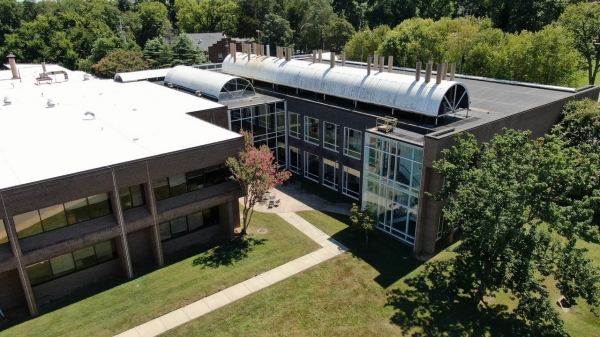
You are invited to our annual stakeholder meeting at Kord Animal Health Diagnostic Laboratory. This is a great opportunity for clients to come to the lab and hear about current topics from our Director, section supervisors, Animal Health team, and the State Veterinarian. The meeting will be held on December 4 from 9 a.m. - noon, at the Porter Atrium at the Ellington Agriculture Center. We encourage our clients to come and share concerns, questions, or comments during the meeting. We look forward to meeting you there.
New Lab Administrator

Congratulations to Dr. Rahul Kumar who has been promoted to Agriculture Laboratory Administrator of our Technical Services Division. He has served as KAHDL’s Pathology Manager and brings more than a decade of experience in research and diagnostics to his new role. He looks forward to collaborating with our stakeholders, strengthening client relationships, and contributing to food safety and animal agriculture.
Identifying New World Screwworm
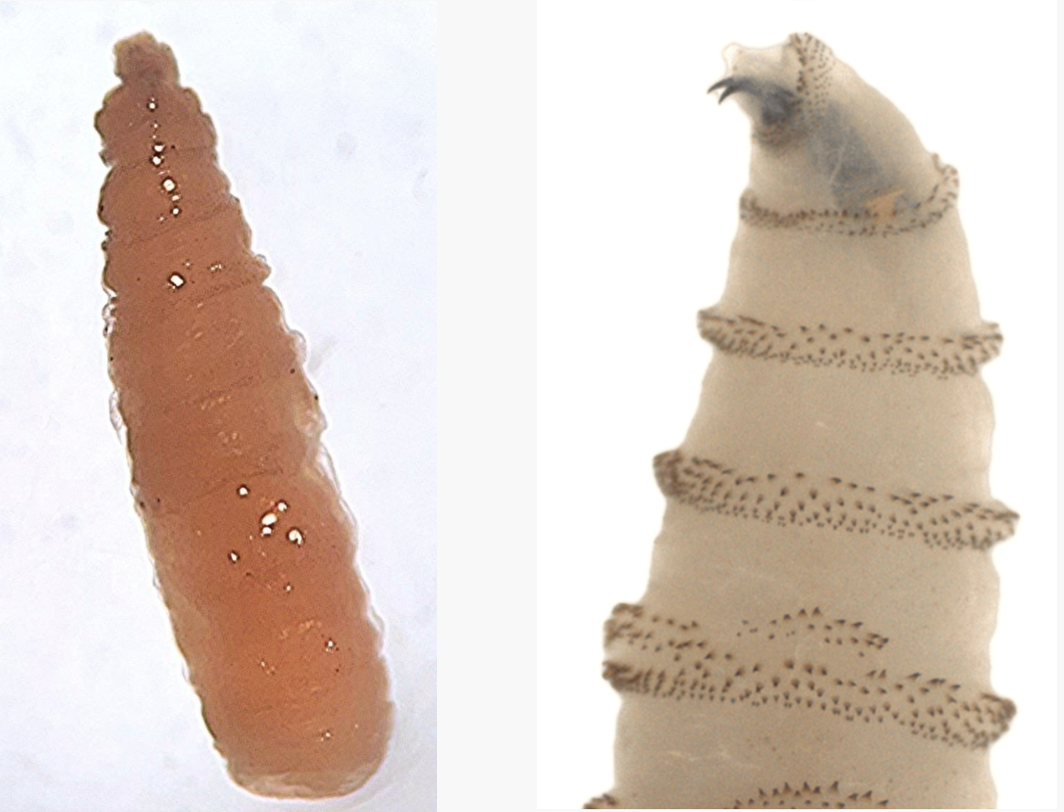
While all maggots may look similar at a glance, the New World Screwworm (NWS) has unique traits and behaviors that make them easier to detect and especially dangerous. Unlike common maggots, NWS's feed only on living tissue and does so by using its two sharp mouth hooks to tear, feed, and burrow itself deeper into the animal’s body. Common fly maggots, on the other hand, must seek decaying matter in which they secrete an enzyme to break down and then absorb through their skin. While both species will appear creamy white in color, NWS comes with prominent encircling bands of dark spines that help it burrow into its host, dark posterior tracheal tubes, and is generally larger than other maggots. Most flies will lay their eggs on dead tissue, manure, or garbage; however, NWS's lay eggs on or near wounds and mucosal membranes. If you suspect a case of NWS to report, immediately contact the State Veterinarians office at 615-837-5120. Click below to learn more about NWS.
Sensititre™ System Coming Soon
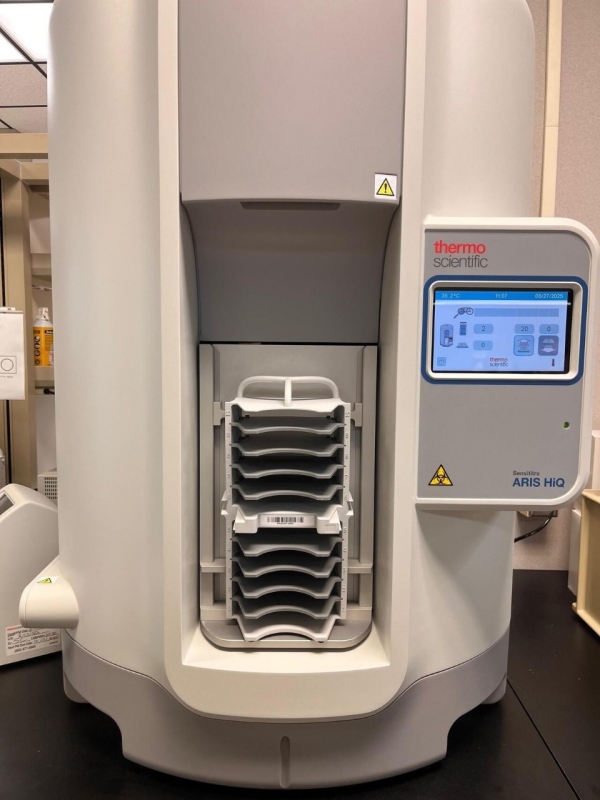
The Kord Animal Health Diagnostic Laboratory is announcing that coming late fall, we will offer antimicrobial susceptibility testing (AST) using the Sensititre™ System. This technology will allow us to deliver accurate, MIC (minimum inhibitory concentrations)-based results to guide antimicrobial therapy, expanded antibiotic panels, and support for antimicrobial stewardship efforts in your practice. For more information, check out the Test Catalog or call 615-837-5125.
KAHDL is becoming ADA Compliant
We are modifying our content to be ADA compliant. This means you may notice that our website content and forms are changing. Please be patient with us as we update and format forms and content to meet client needs. For questions about forms or material, please call us at 615-837-5125.