Eastern Bluebird
Description
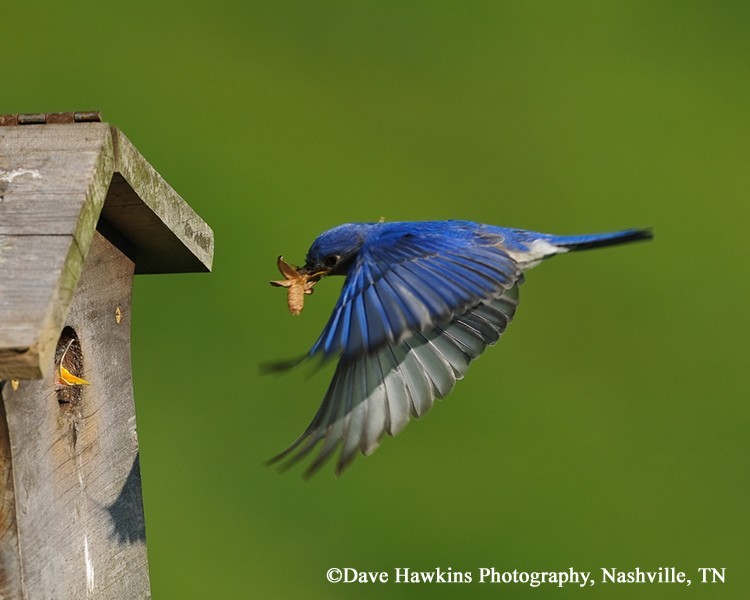
The brilliant blue color of the male, the delightful call, and familial behavior make the Eastern Bluebird one of the most popular songbirds in Tennessee. It is a permanent resident, though some birds may move short distances south from their breeding areas to avoid very cold temperatures. The Eastern Bluebird is a small thrush with a rounded body and shoulders and a relatively large head.
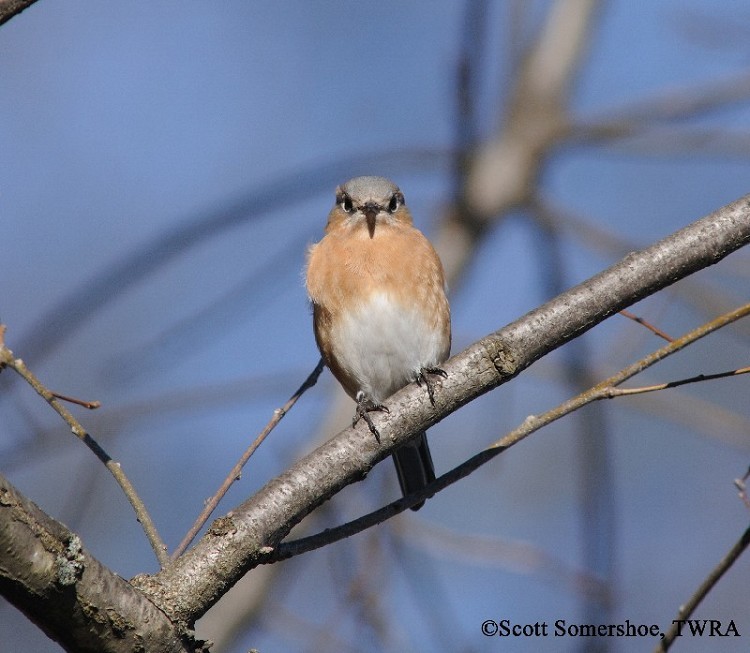
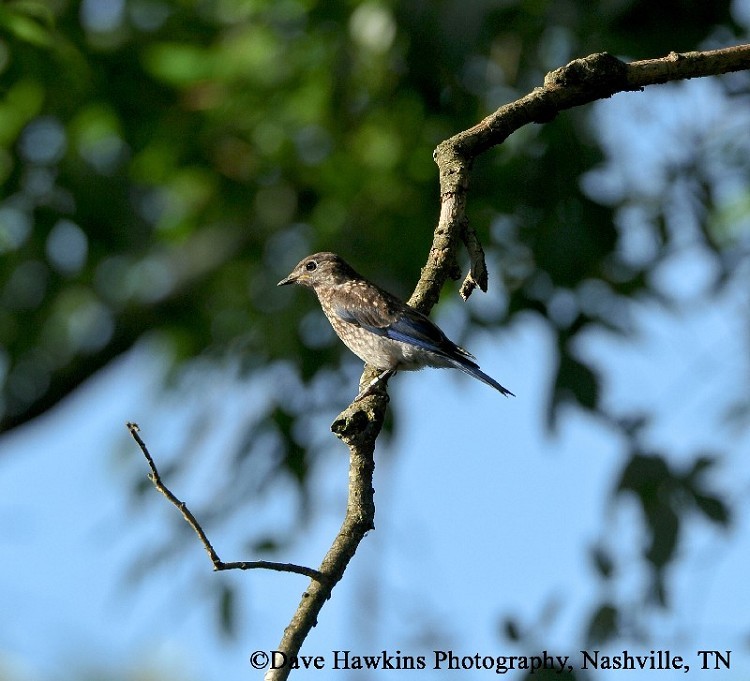
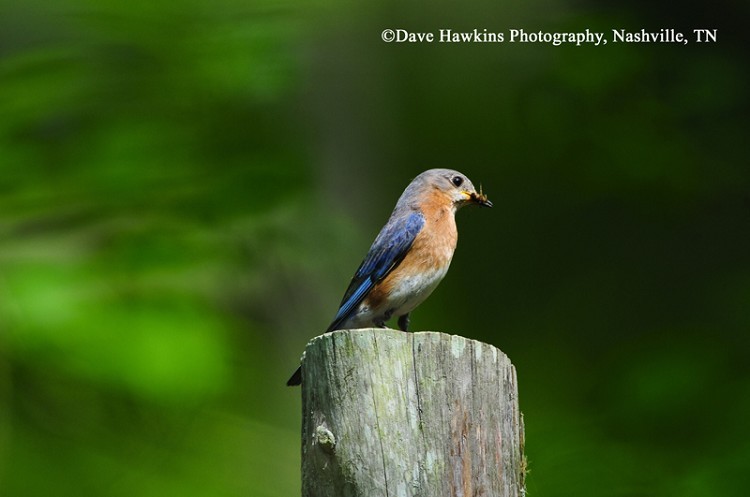
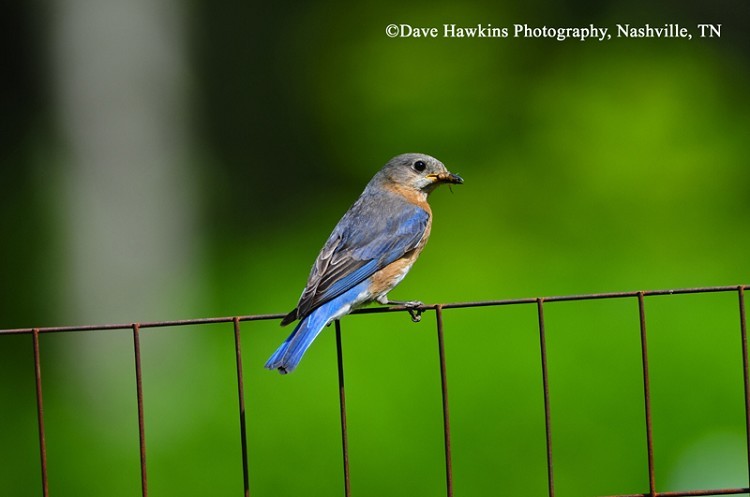
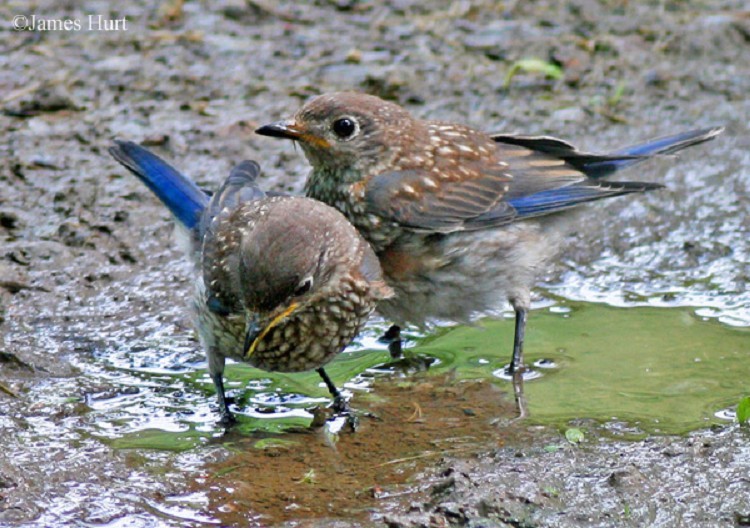
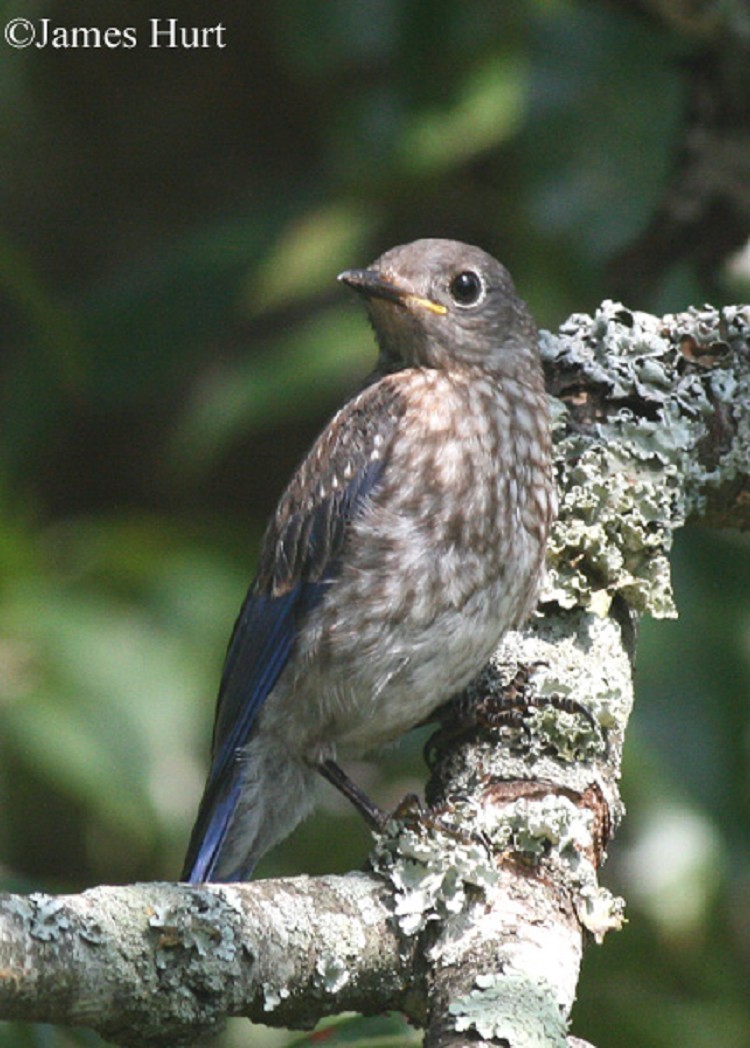
Adult males are a brilliant blue above and rusty orange on the throat and breast, with a whitish belly, while females are a gray-blue above and dull rust on the throat and breast, with a whitish belly. Juveniles are similar to adult females but grayish with a speckled breast
Voice: is a soft, warbled "cheerful charmer". Call is a soft "tru-ly" when communicating with a mate or young. Also gives a raspy alarm call.
Habitat: The Eastern Bluebird is found in fields or open forests. It is often observed perched on wires, posts, and low branches, scanning the ground for prey. It traditionally nests in naturally occurring tree cavities or cavities created by woodpeckers in trees or fence posts.
Diet: Arthropods caught on the ground, including caterpillars, beetles, crickets, grasshoppers, and spiders, are the main diet. In fall and winter, bluebirds eat large amounts of fruit from native species such as poison ivy, sumac, black cherry, dogwood, hackberry, blueberries, and mistletoe.
Breeding and Nesting: The Eastern Bluebird can have up to 3 broods a year and often uses the same nest for all broods. Males attract females to the nest with a display in which he carries nesting material into and out of the cavity. The breeding pair can stay together for several seasons. In Tennessee, first clutches are commonly laid in March and last clutches as late as September.
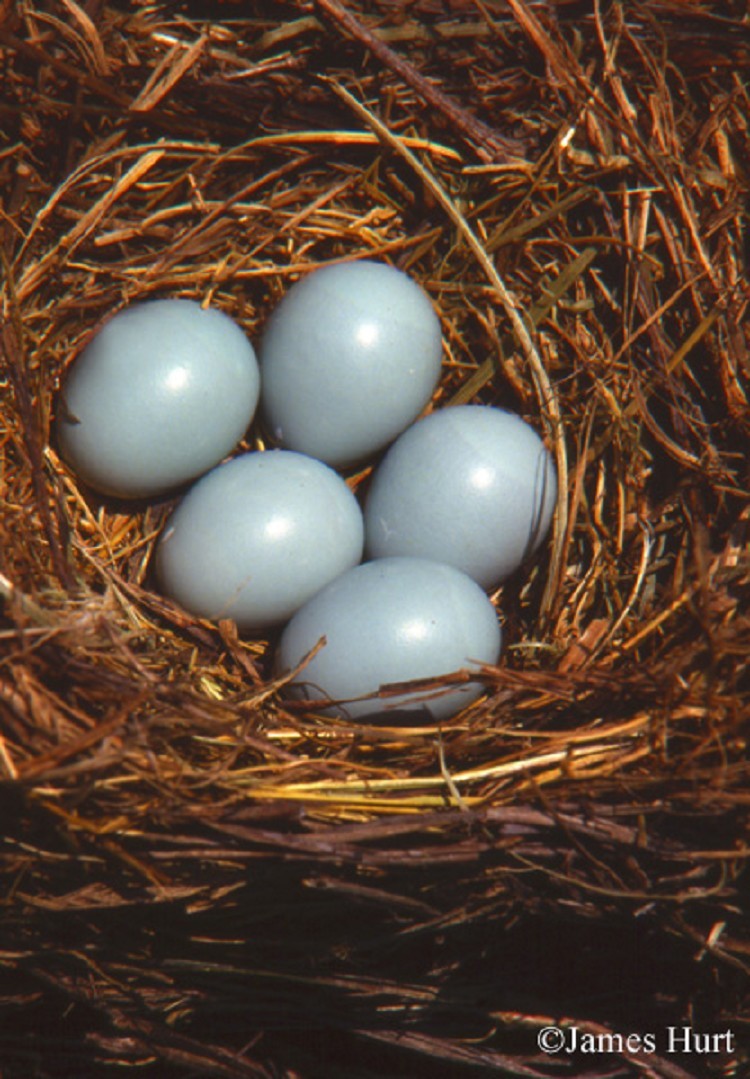
Nest: Fine grass or pine straw made into a neat cup by the female
Clutch size: Usually 4 to 5 pale blue (or rarely, white) eggs. The female begins laying eggs a few days after the nest is completed and usually lays one per day. Incubation does not start until after all eggs are laid so that all eggs hatch on the same day.
Incubation period: 12 to 15 days.
Fledgling period: The young are fed by both parents and depend on them for 2-4 weeks after fledging. Young from the second or third broods often stay with parents over the winter.
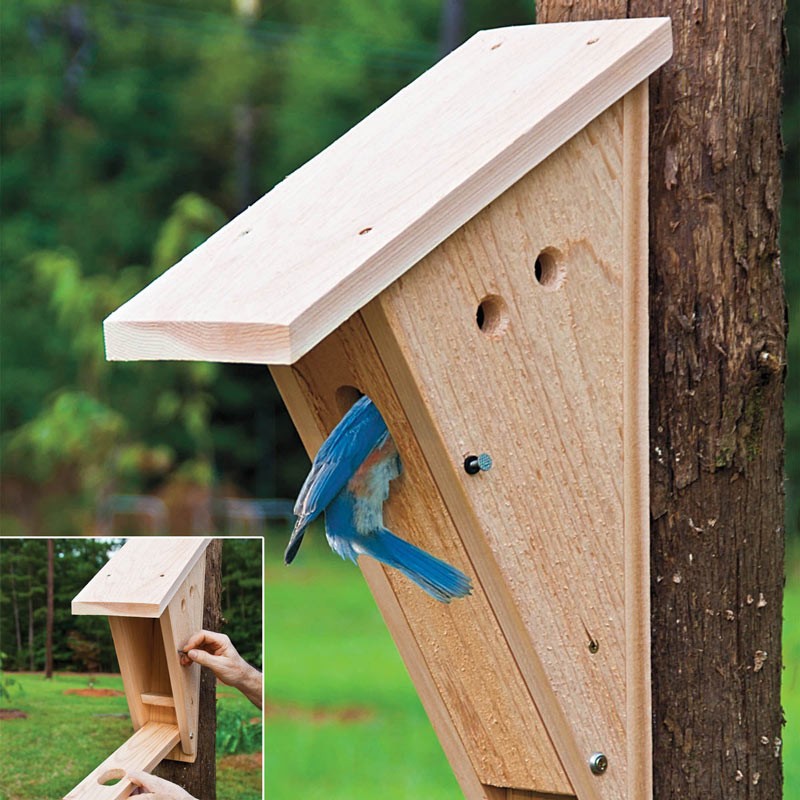
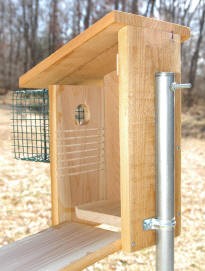
Status in Tennessee: The population fell in the early 20th century due to many factors. Competition for nesting sites from introduced species, loss of open space and natural nesting cavities, increased pesticide use, and climatic events contributed to the decline. In the 1970's, conservation efforts to provide nest boxes specifically designed to keep out the larger European Starling, combined with a campaign to provide and monitor boxes for use by invasive House Sparrows, have helped with the recovery of the beloved species.

Fun Facts
- The clutch size of Eastern Bluebirds varies with latitude and longitude. Bluebirds that nest farther north and farther west have larger clutches than southern nesters.
- In especially cold weather, several individuals will roost together in one cavity to stay warm. This species has been observed using nest boxes to stay warm during cold winter nights, packing 8-12 individuals into one box.
- The oldest known Eastern Bluebird in the wild was 10 years and 6 months old.
- Obsolete English Names: bluebird.
Photos