Tennessee Biodiversity Summit
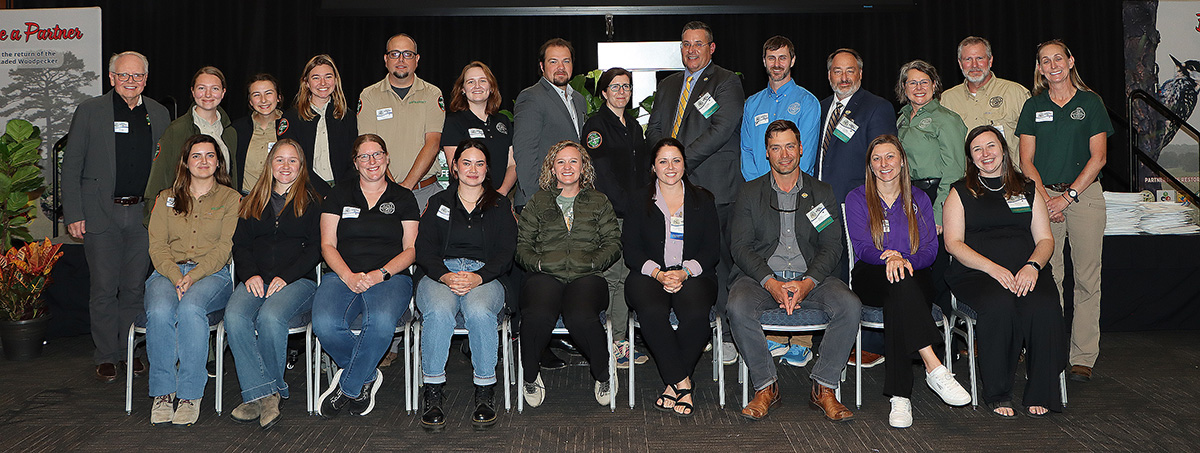
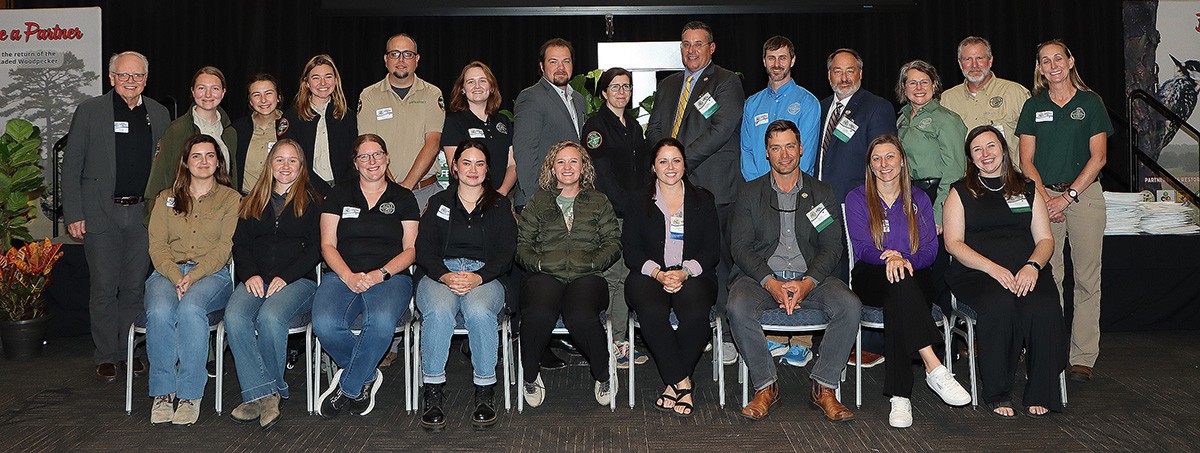
The second annual Tennessee Biodiversity Summit takes place on October 21, 2026.
This year's theme is MOVING THE CONSERVATION NEEDLE, WINS IN CONSERVATION.
ABOUT THIS EVENT
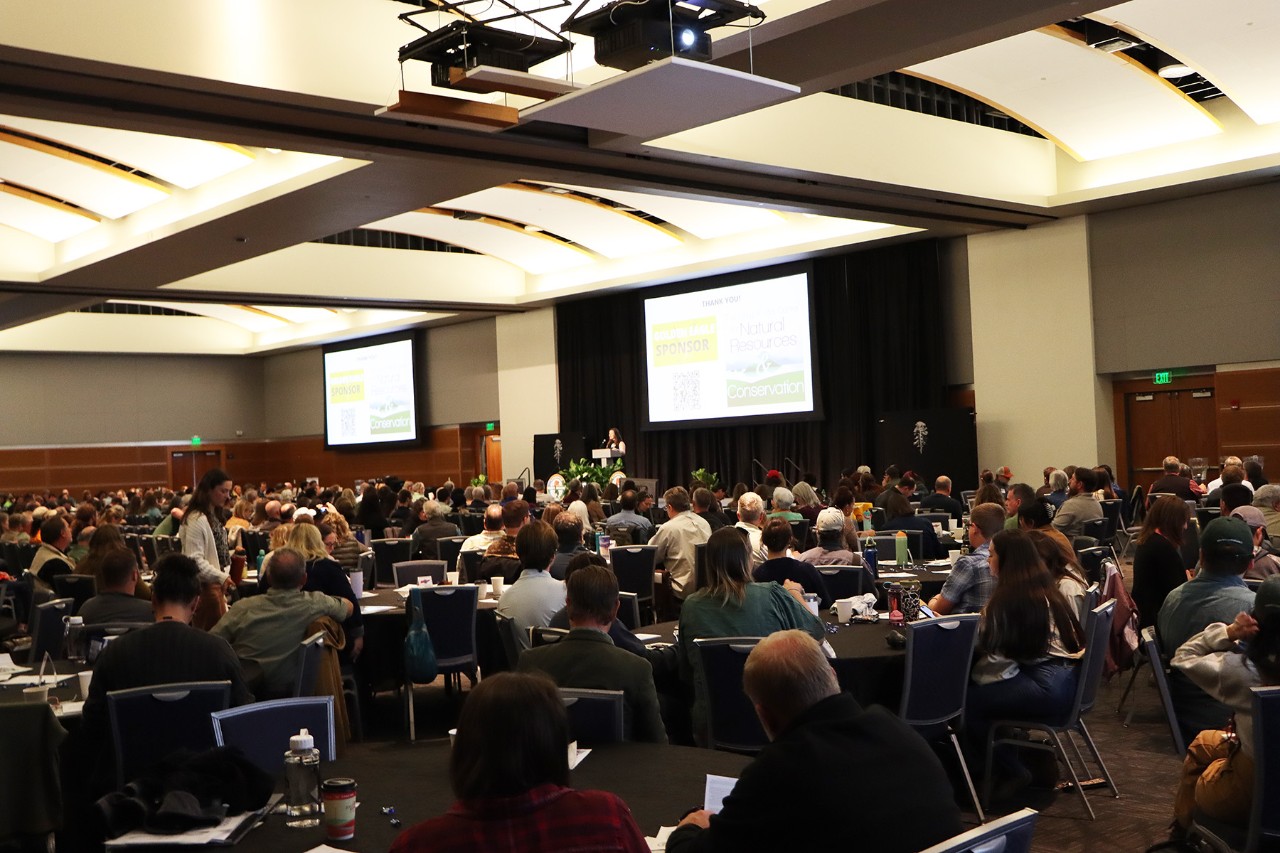
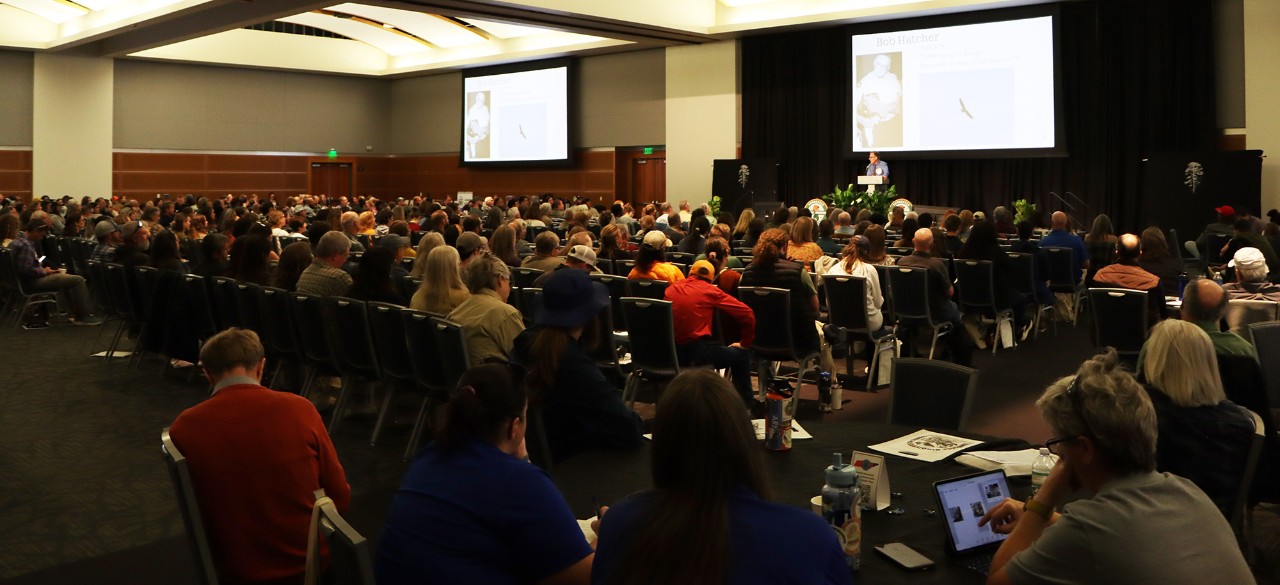
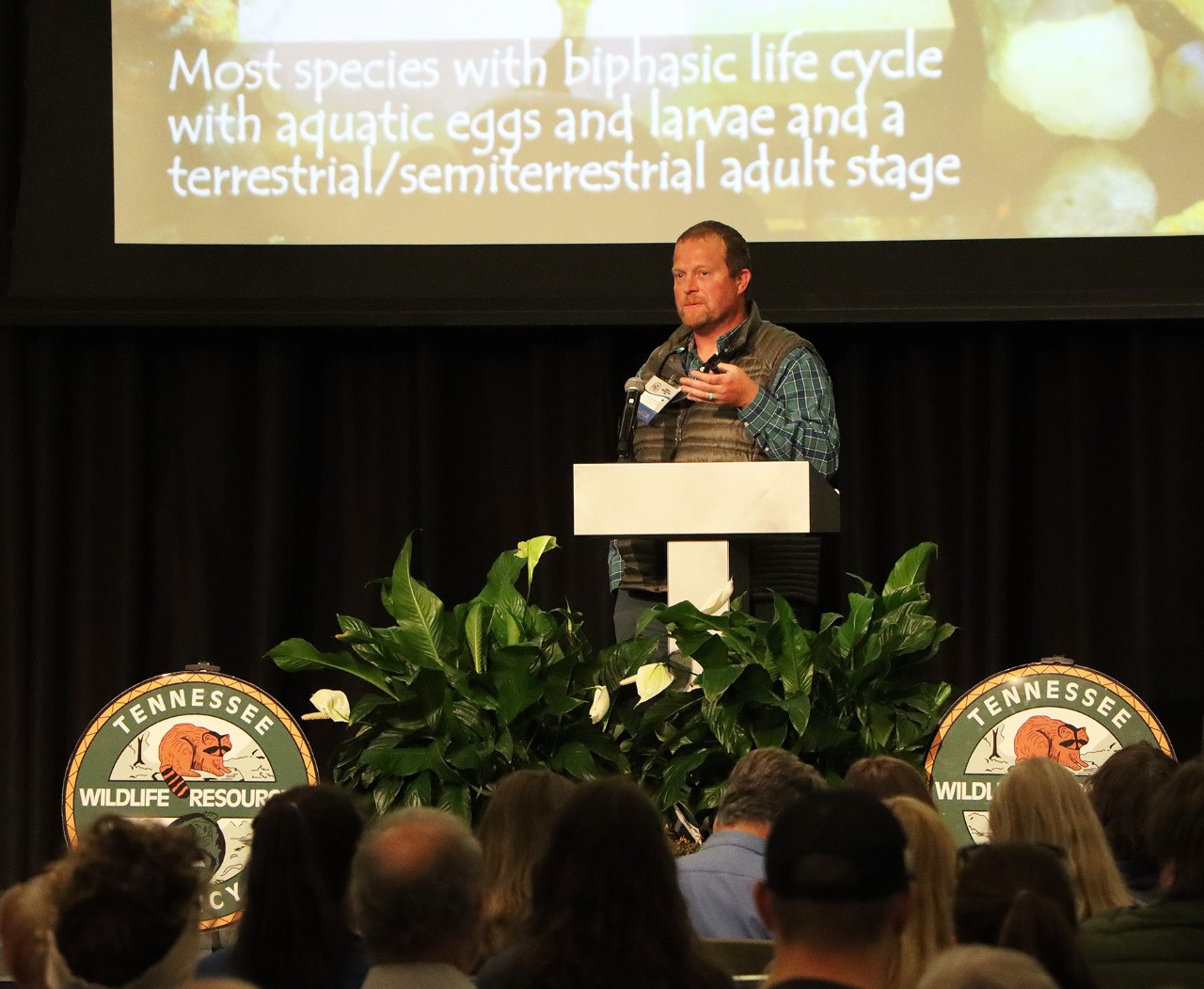
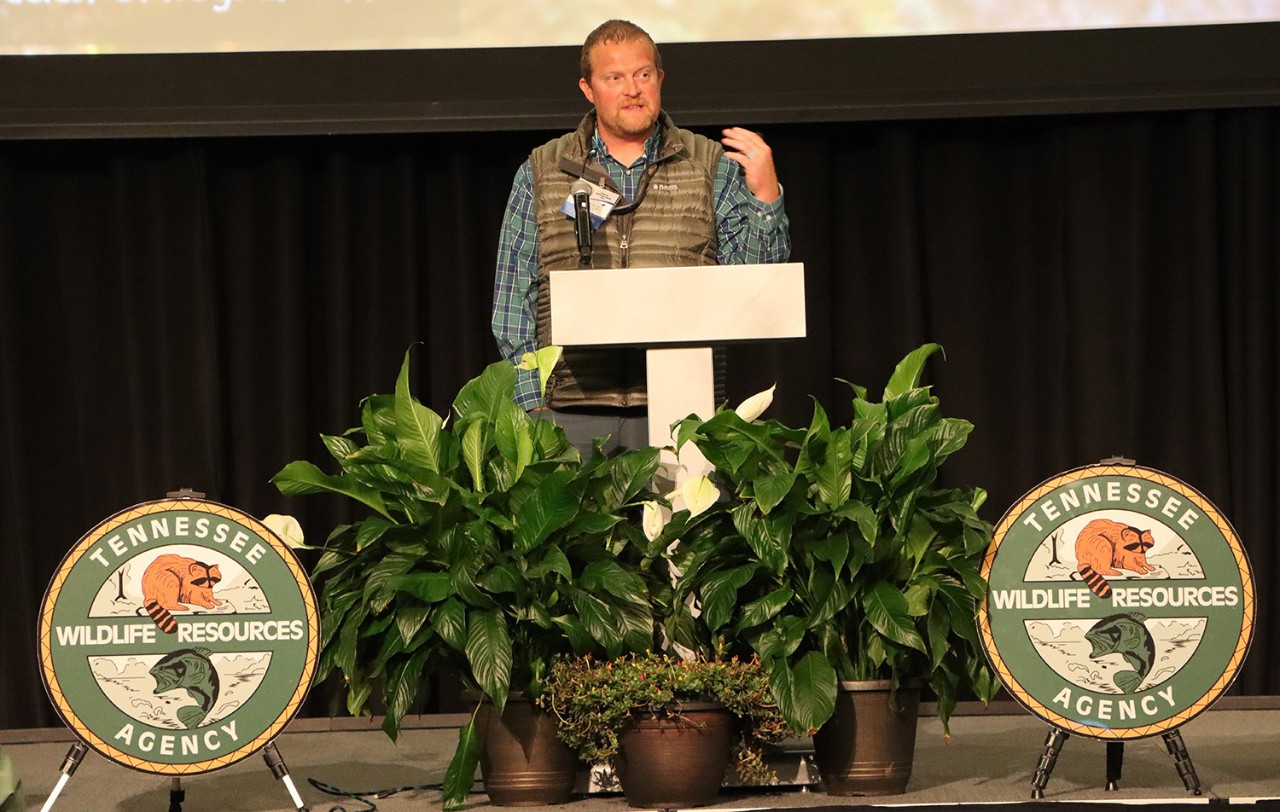
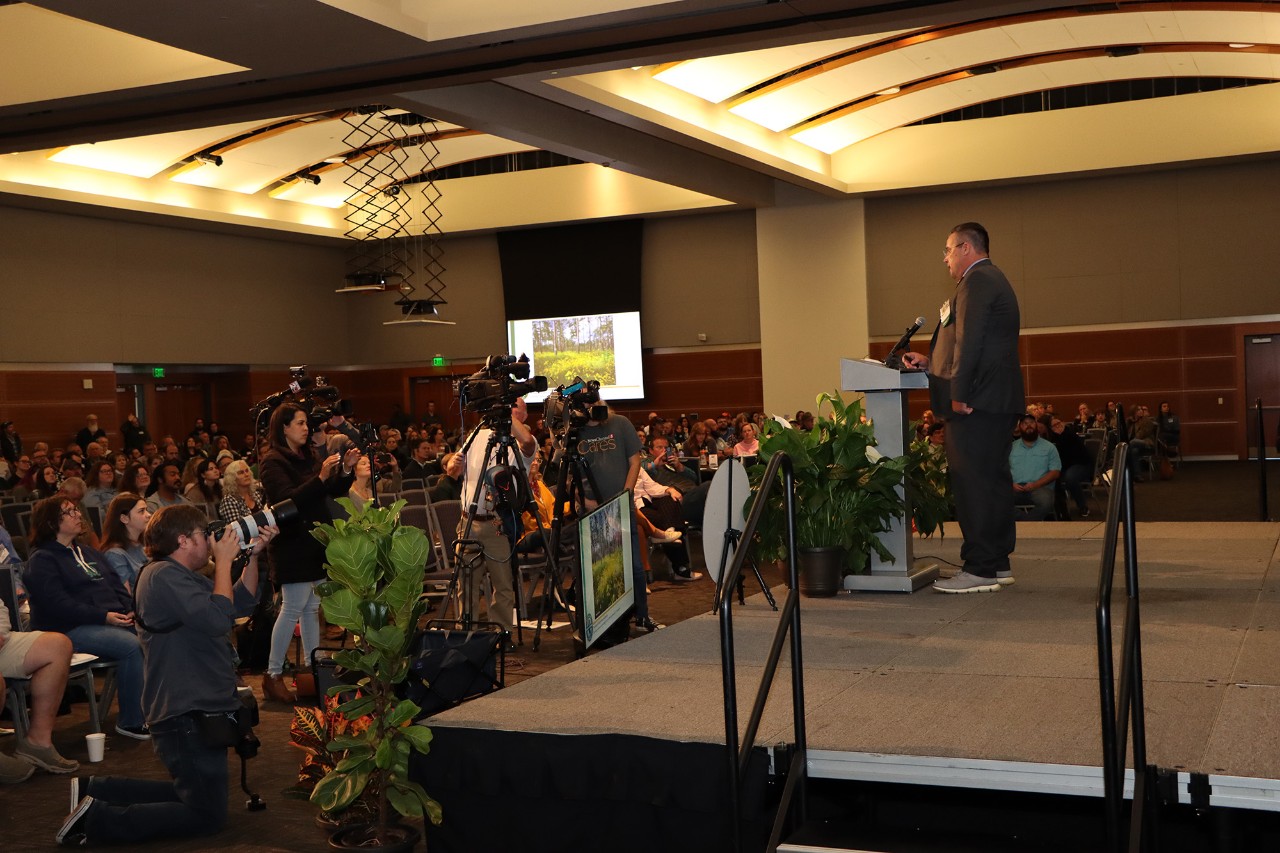
The goals of this event are to recognize the Tennessee State Wildlife Action Plan (SWAP), which strives to preserve, conserve, manage, and protect the fish and wildlife of the state and their habitats, and to recognize the work being accomplished across the state and beyond for the use, benefit, and enjoyment of the citizens of Tennessee and its visitors.
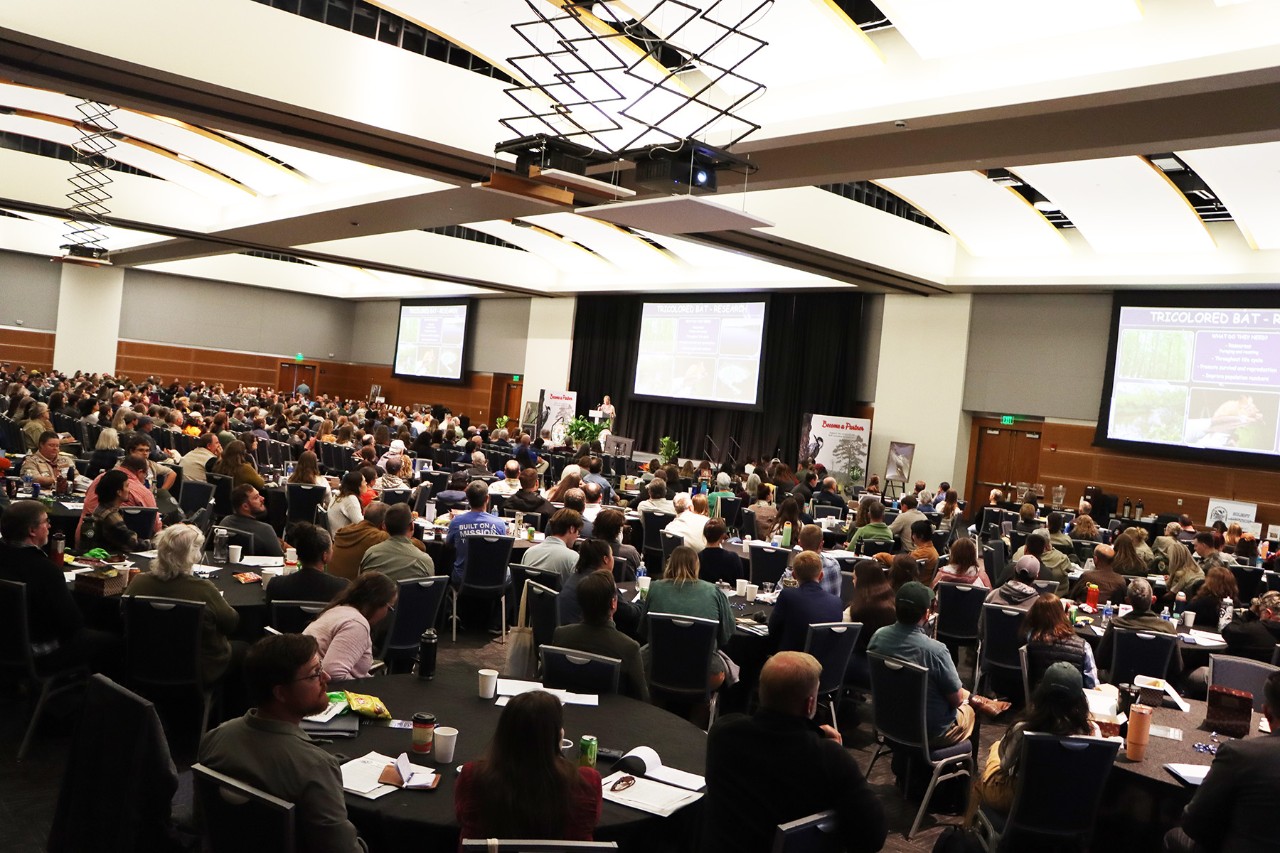
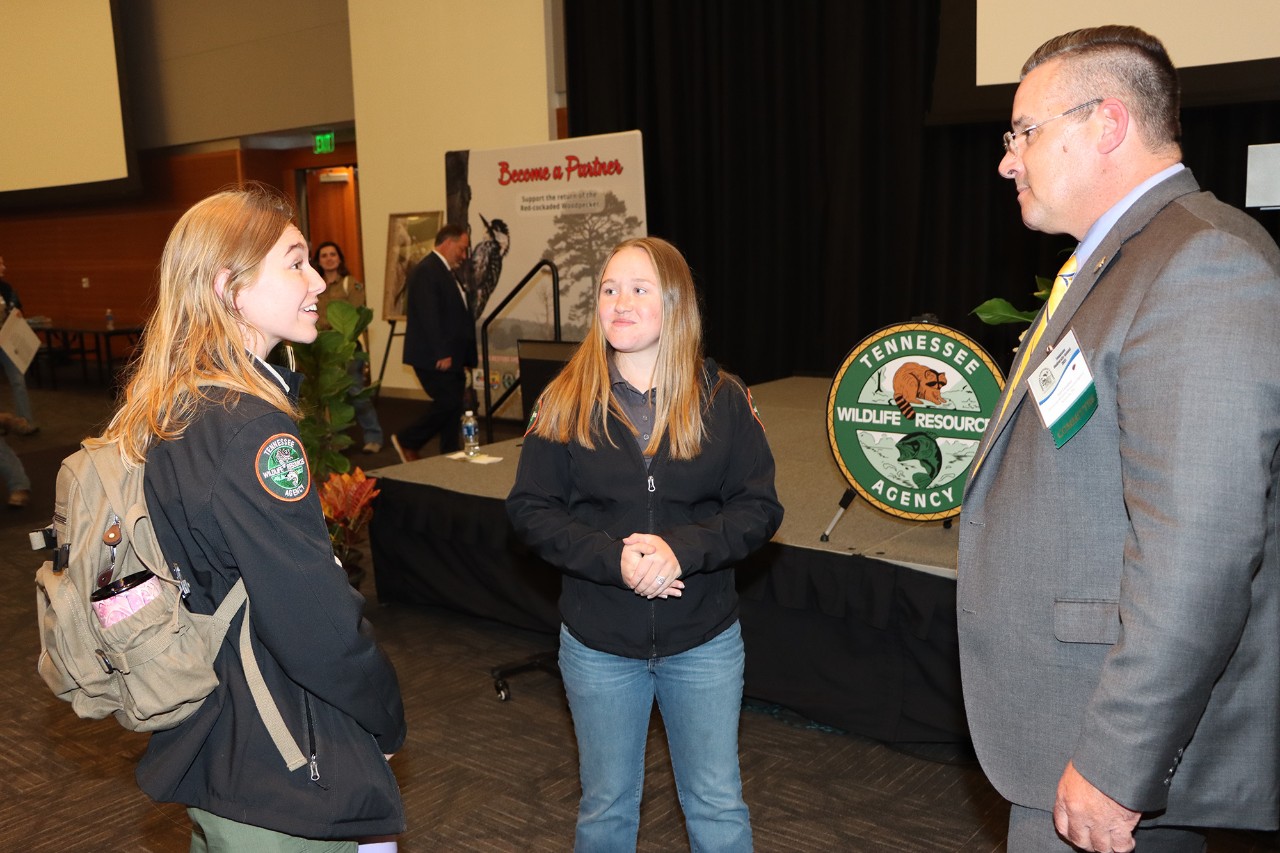
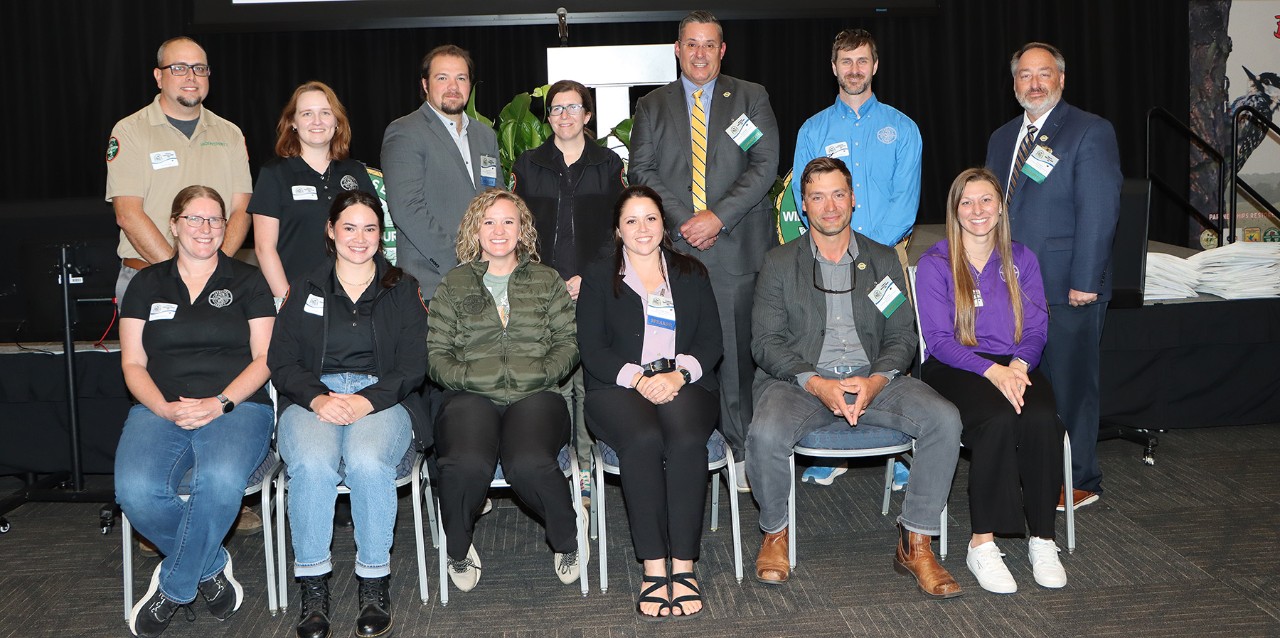
All wildlife enthusiasts, including students, researchers, and wildlife professionals, are invited to attend. Participants in the summit will learn about current and past projects and research that protect the rich biodiversity of the state.
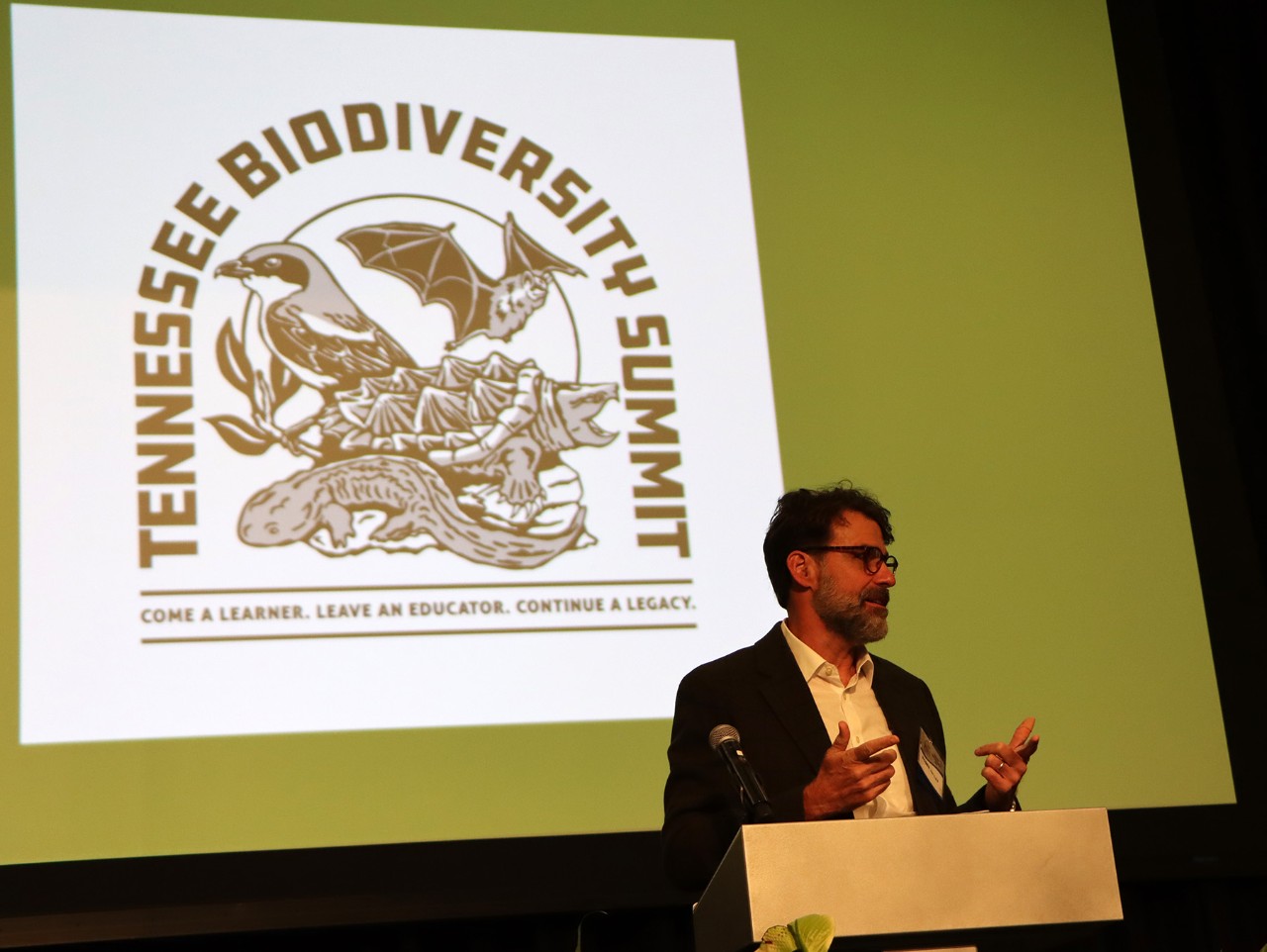
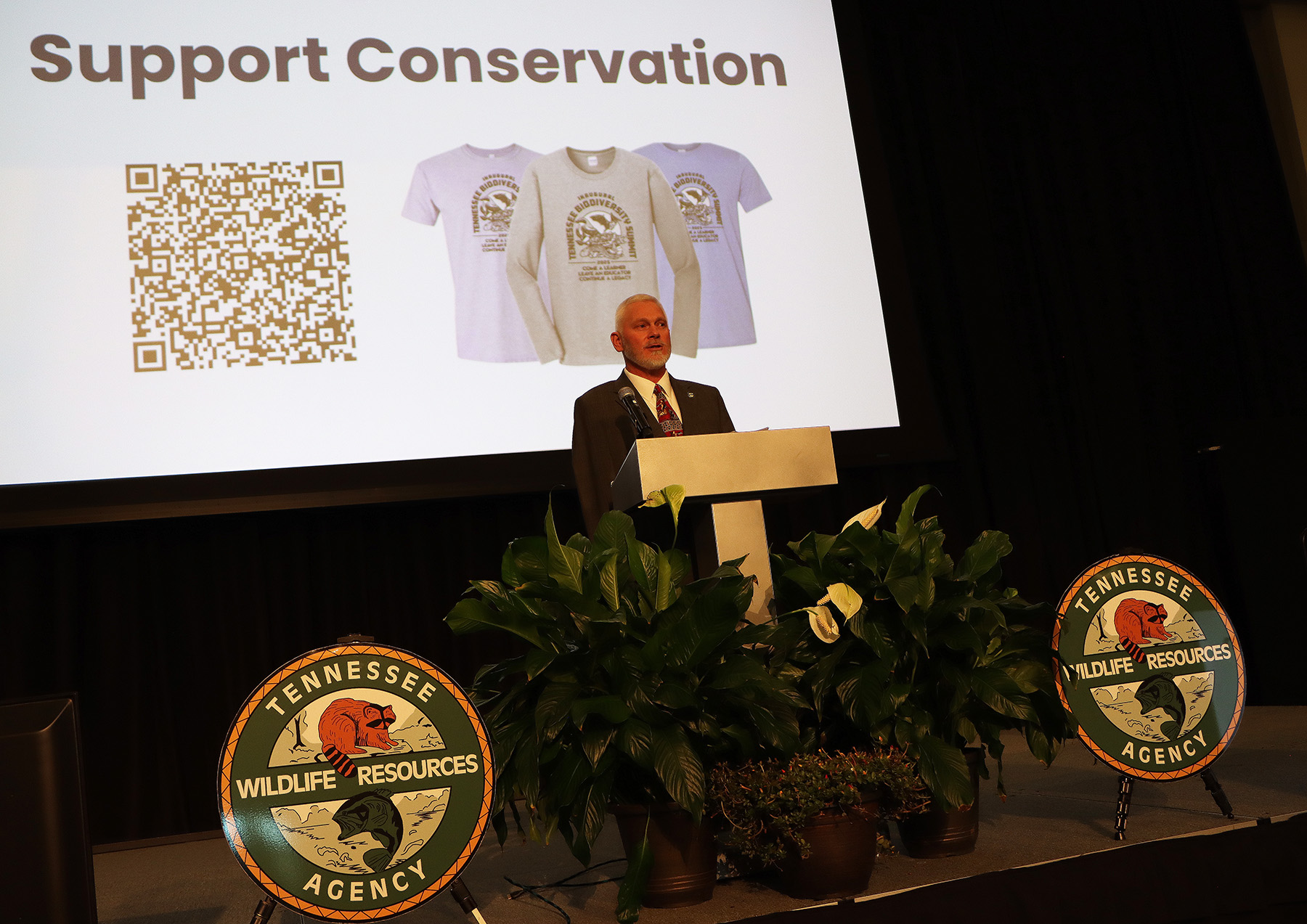
Come as a learner. Leave an educator. Continue a Legacy.
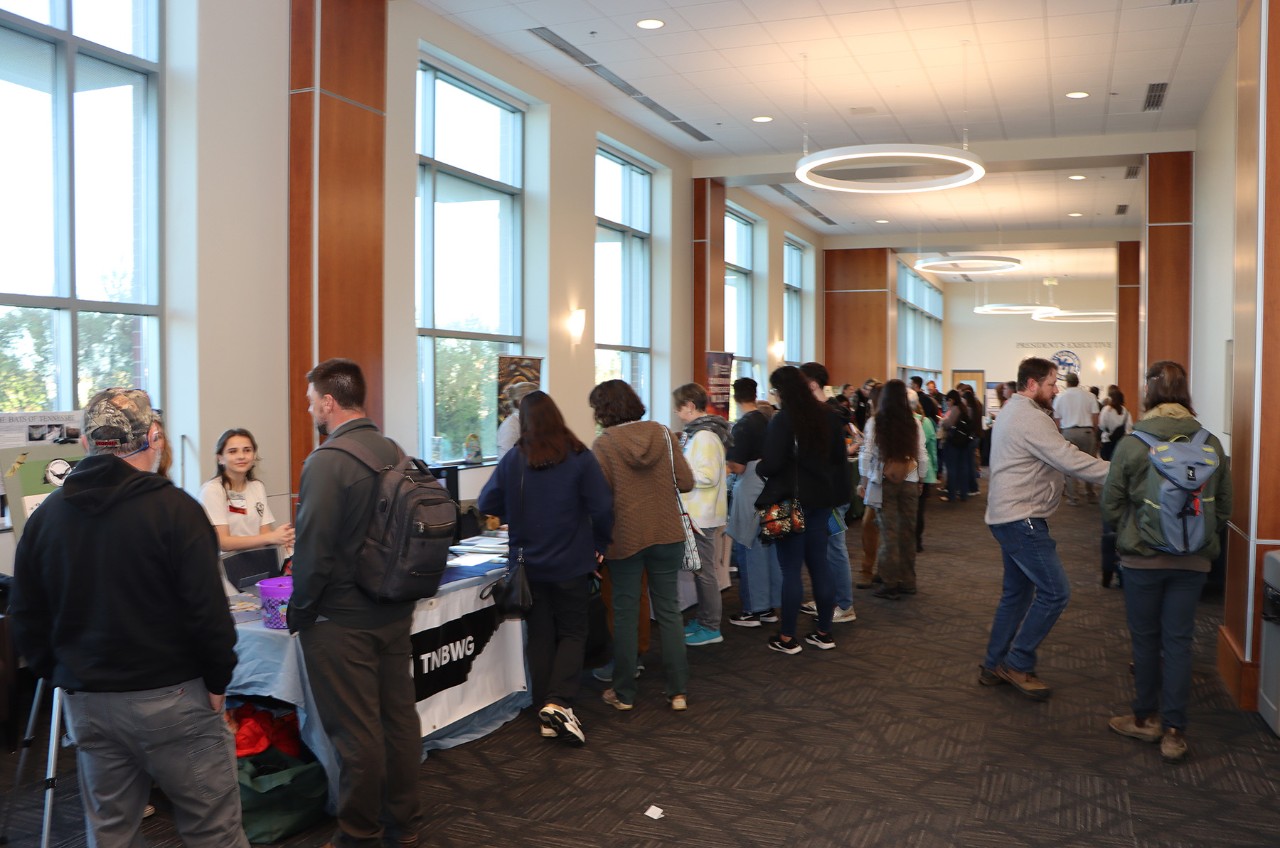
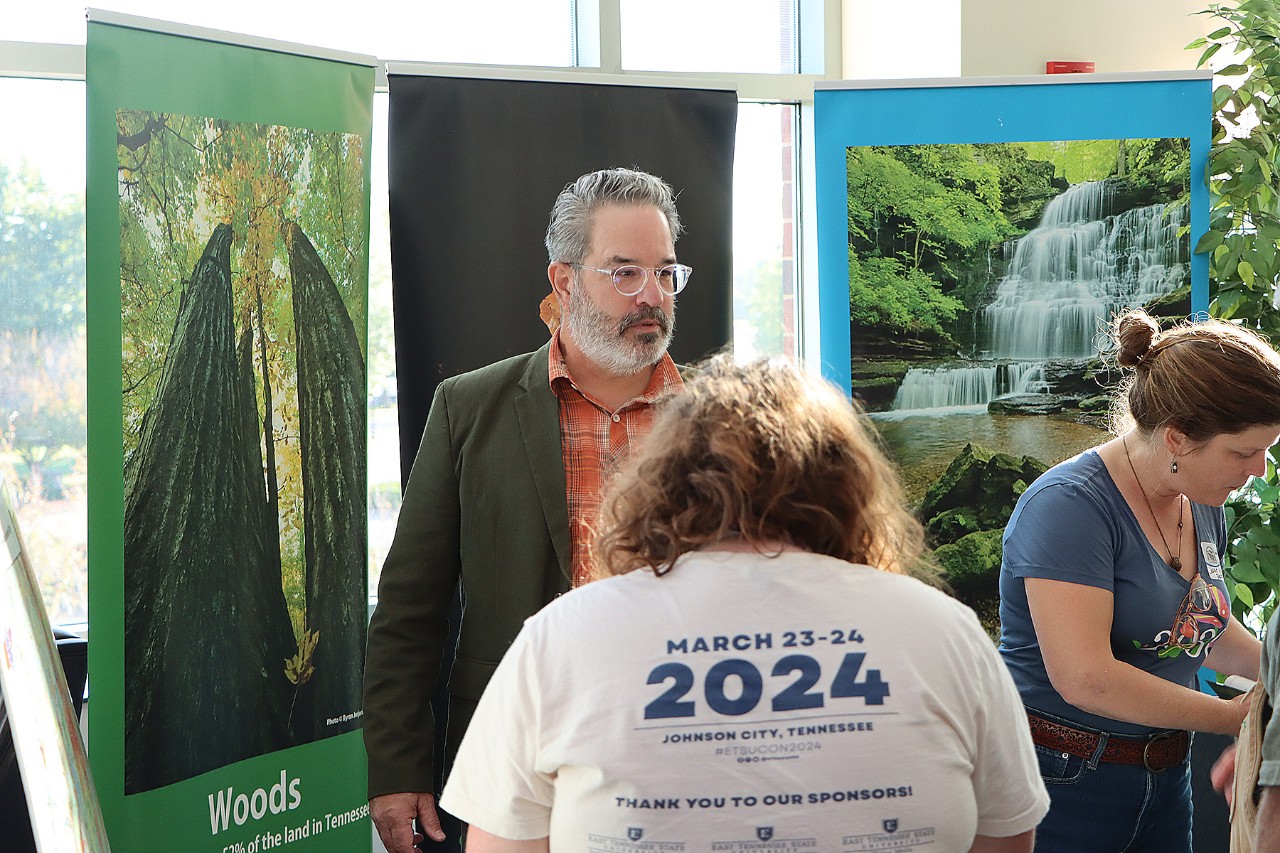
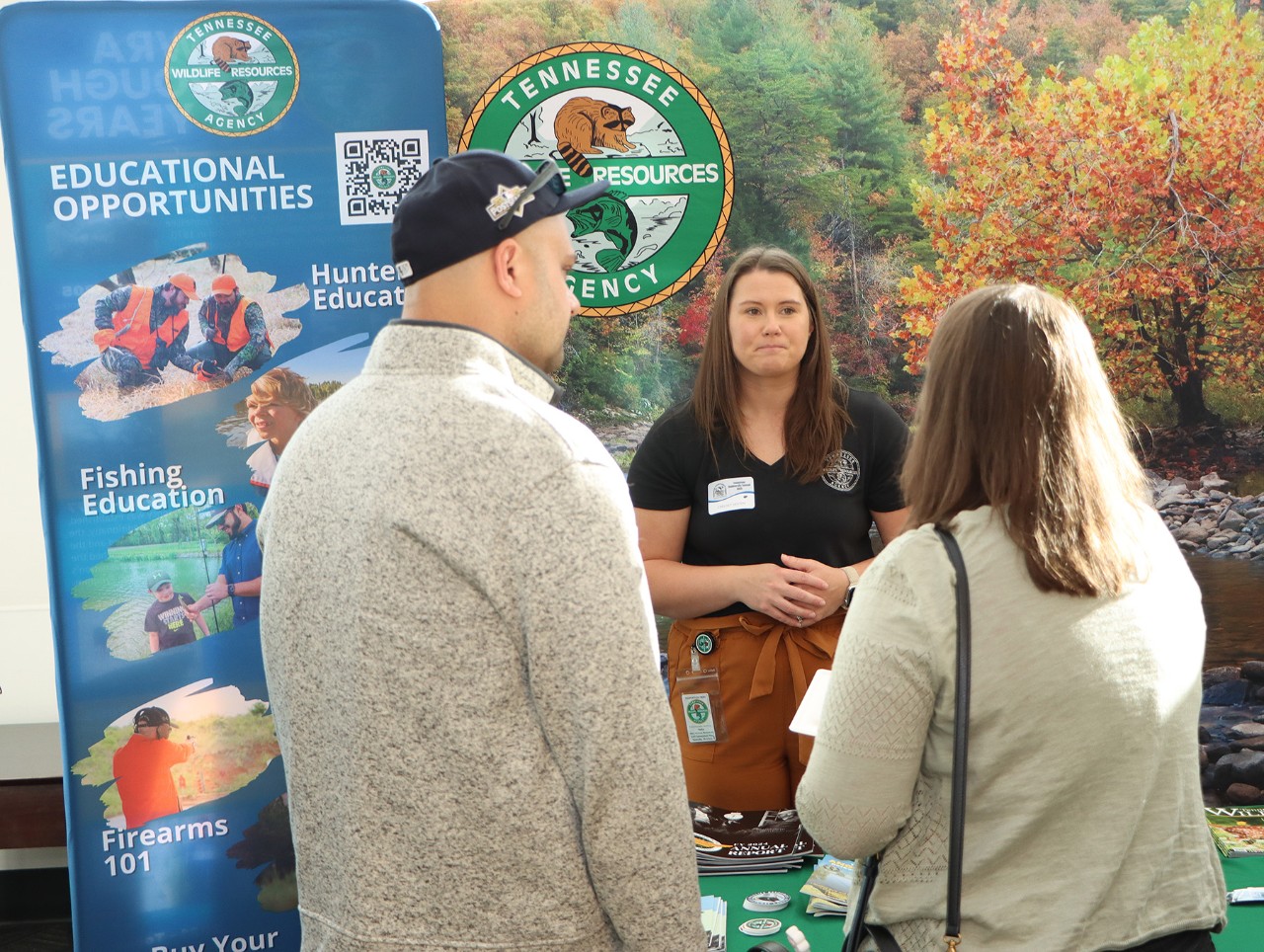
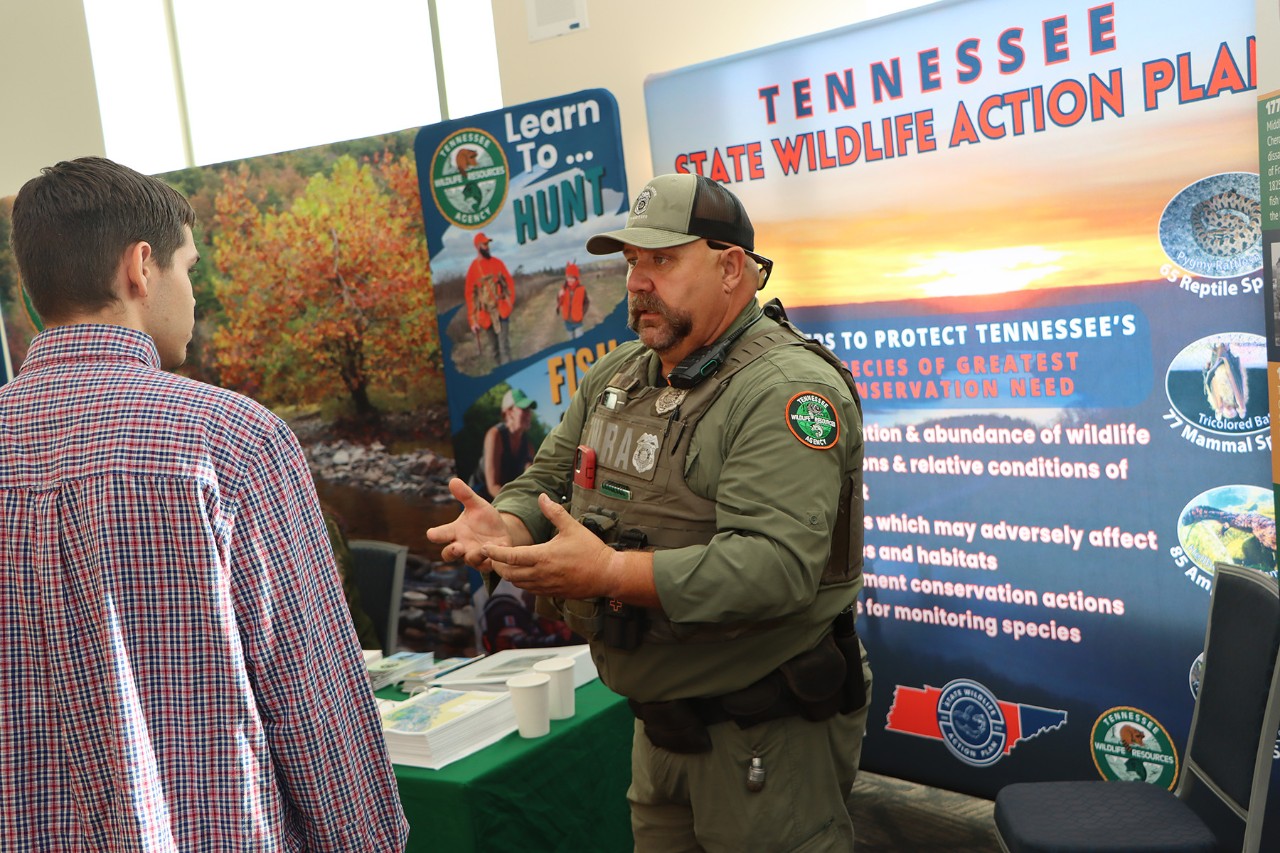
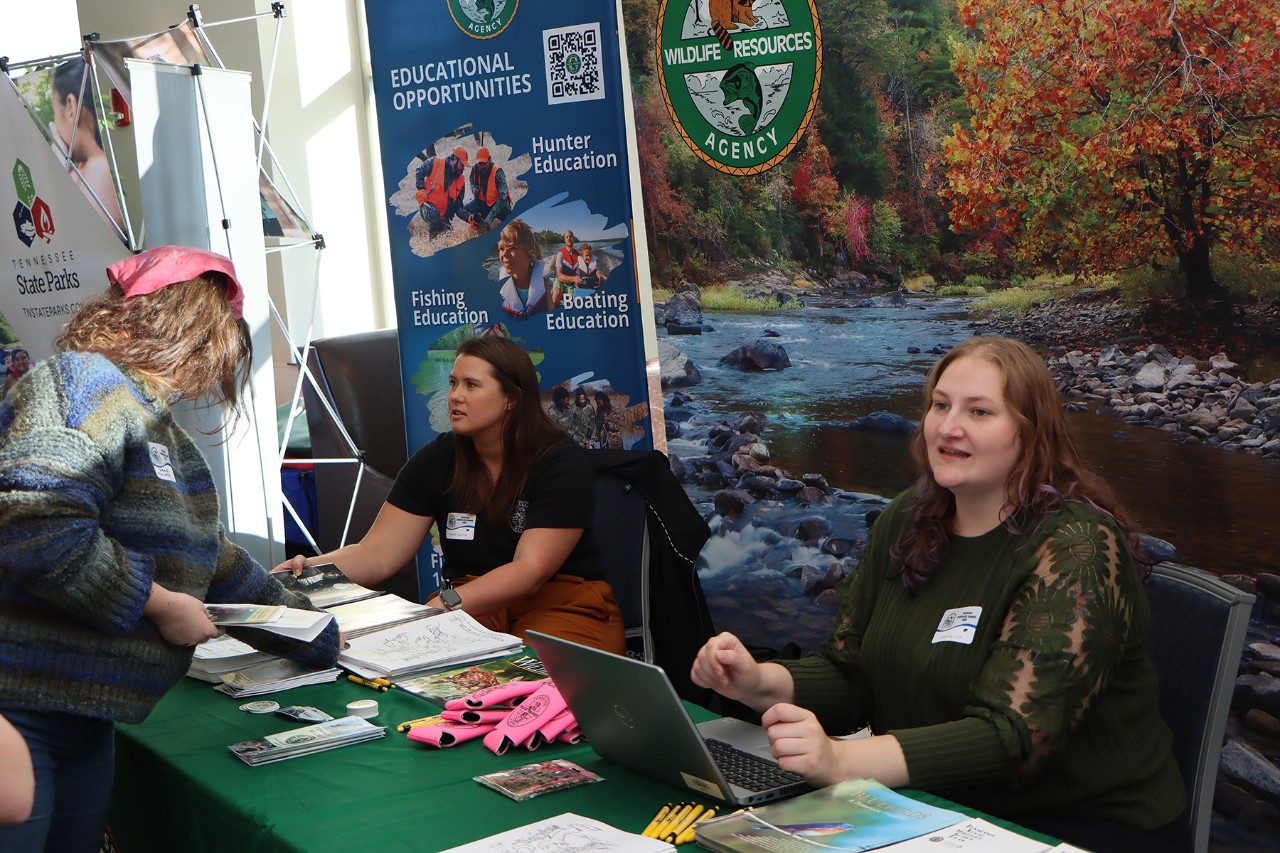
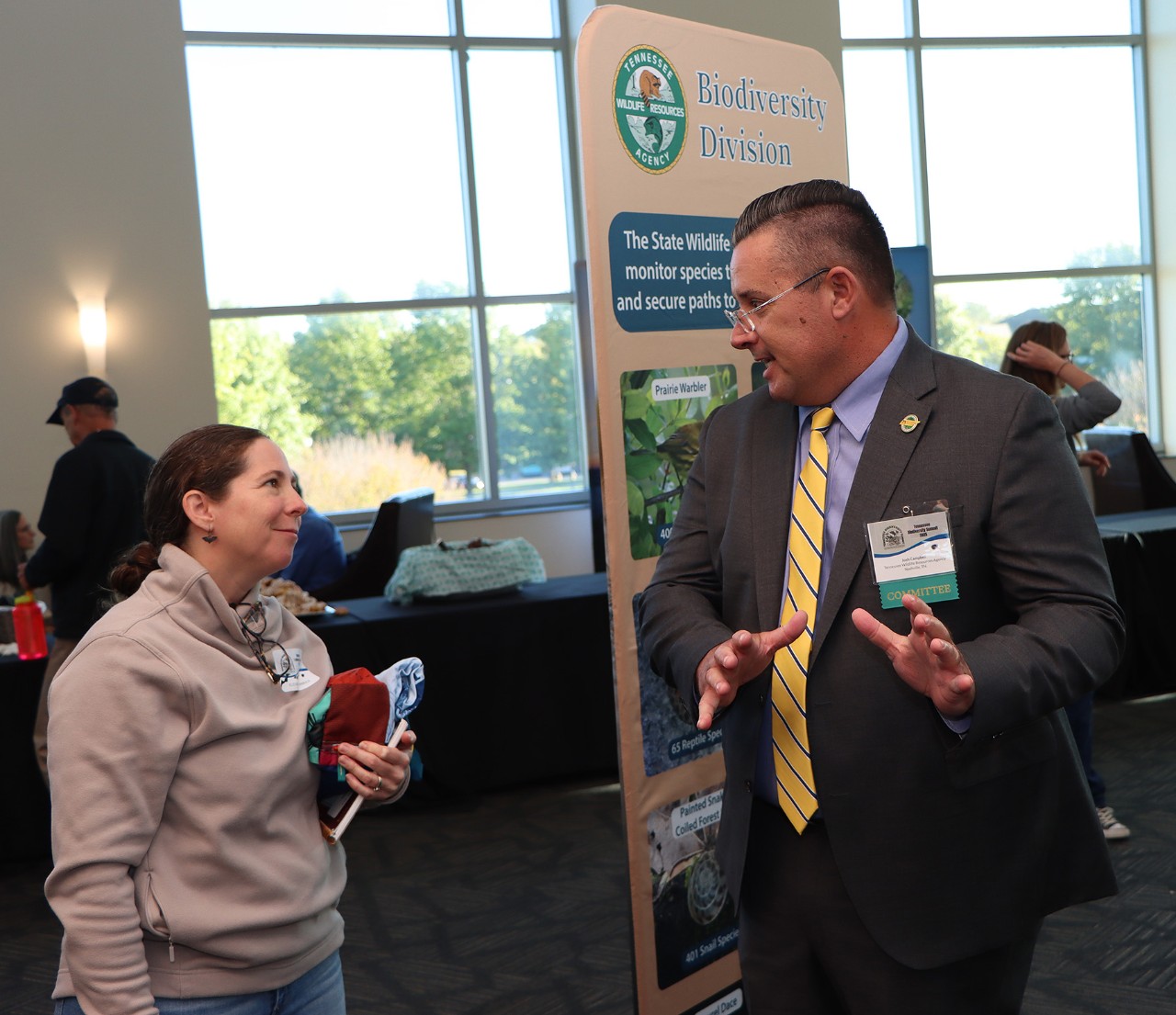
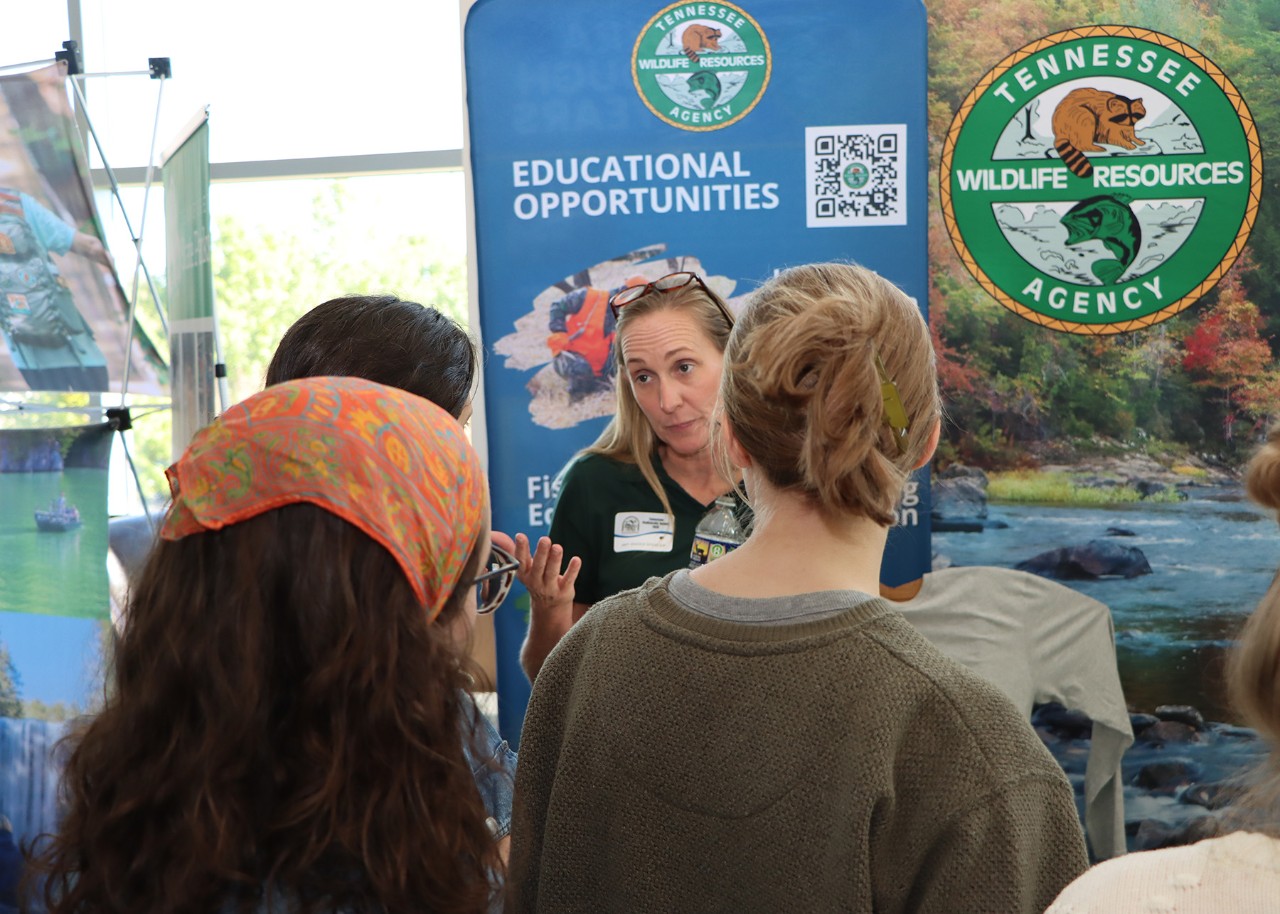
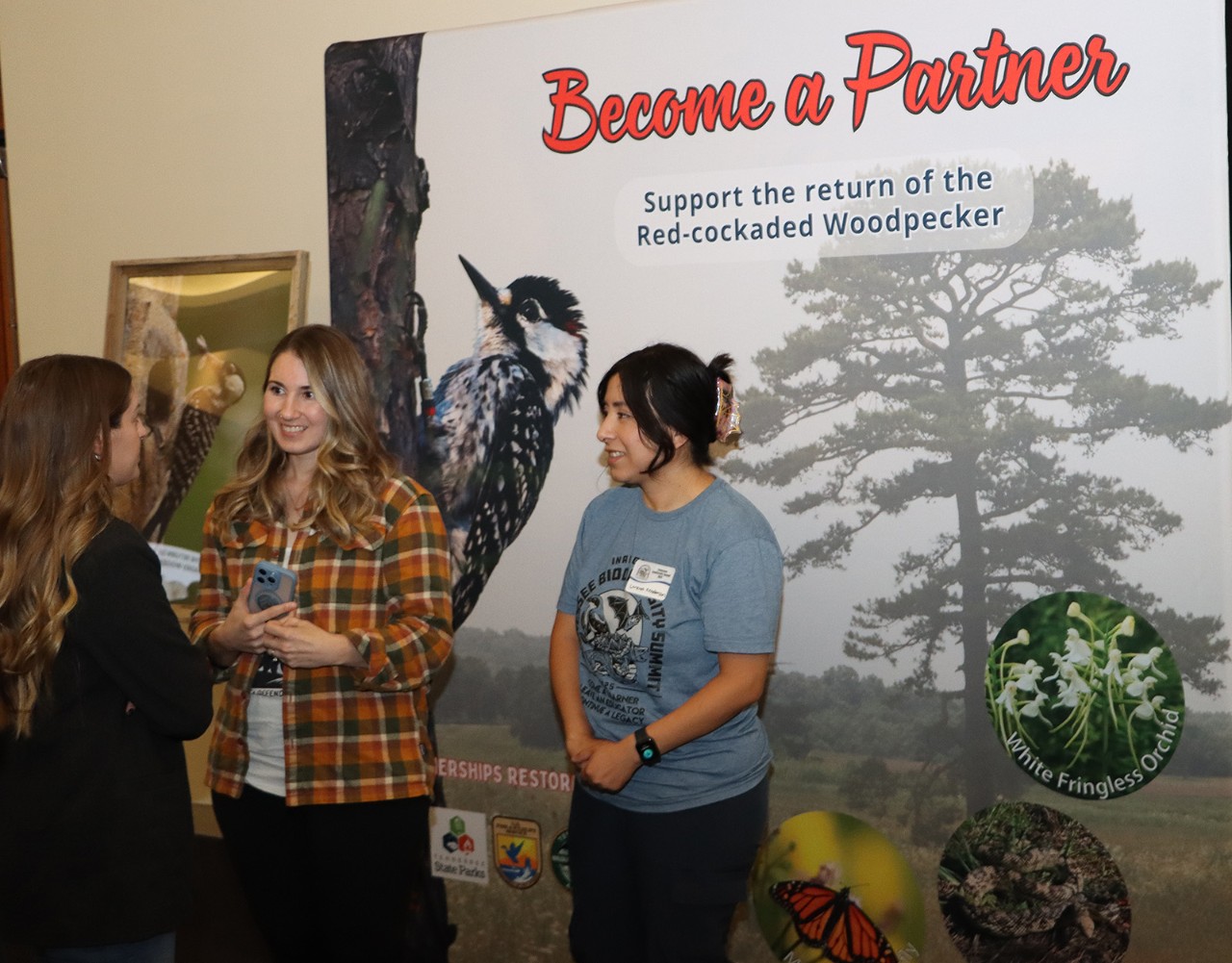
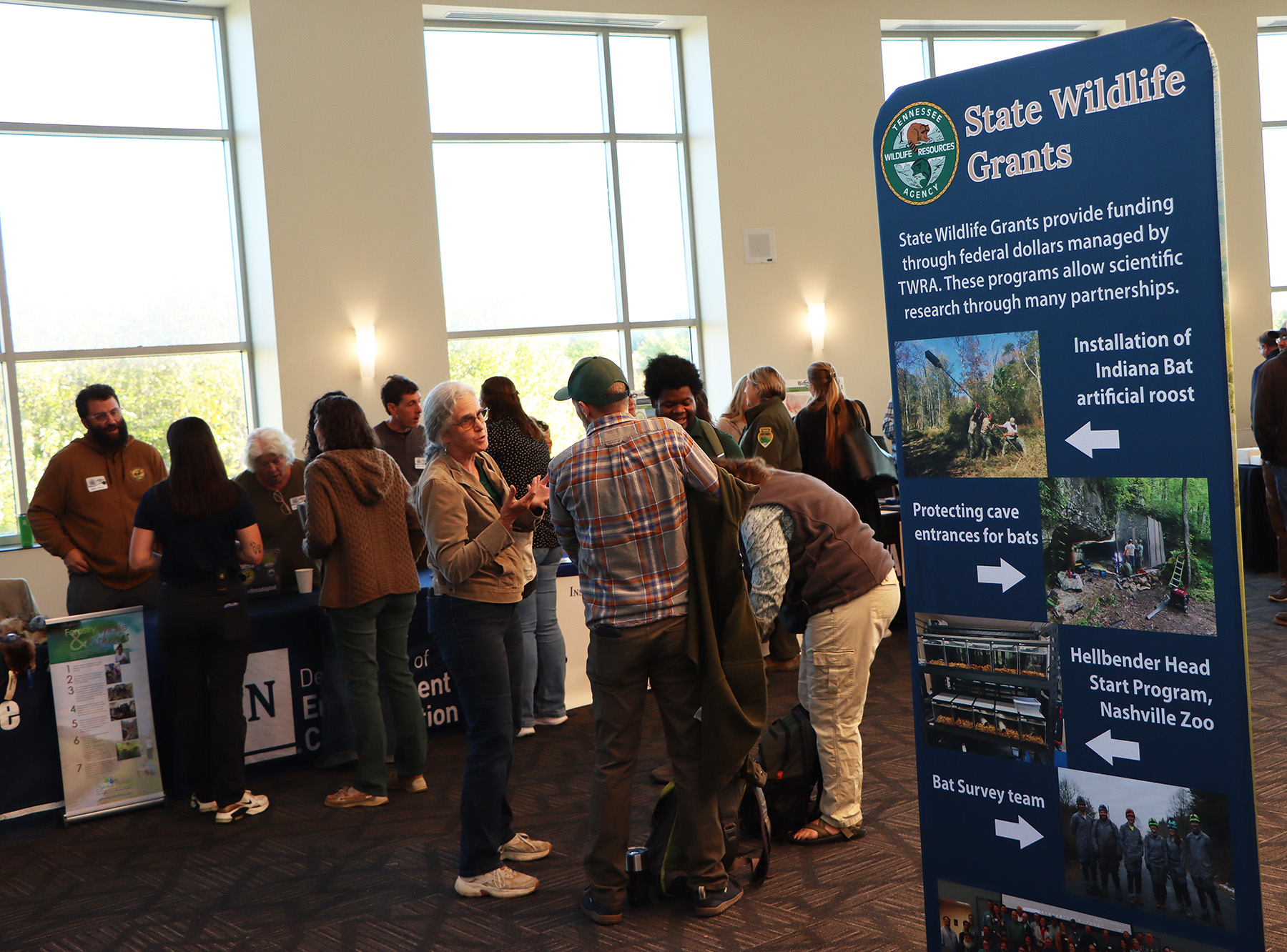
Participants will also have time to visit with 21 educator booths from various government and nongovernment organizations from across the state.
*Interested in sponsoring or becoming a speaker at the next Tennessee Biodiversity Summit? Please email Ashley Garrison.
NEW THIS YEAR - PRE-EVENT HIKES
Pre-event Hikes on Tuesday, October 20th
For those in the area the afternoon before the summit, consider joining us for a hike. Each hike is limited to 25 registered participants. Hikes are available on a first-come, first-served basis.
Participation information and signup can be found on the registration form.
Hike One: Join Roger McCoy, Director of Conservation and State Naturalist, and other division biologists and land managers for a tour of Flat Rock Cedar Glades and Barrens State Natural Area. This natural area supports several rare
plants and animals within its high-quality cedar glade and barrens community. The Division of Natural Areas manages the site for open glades, grasslands, and woodlands that benefit numerous native plants, plant communities, and wildlife. During the outing, you’ll learn about the natural history of the area and techniques used to enhance the diversity of this state natural area and important research site. This is a perfect start to the second annual Biodiversity Summit! This two-hour event includes a relatively flat hiking trail. Dress for the weather, bring water, and prepare to be awed!
Hike Two: Join Mark Vance, TWRA Wildlife Management Area Manager and host of Vance’s Ventures, for an adventurous hike through Percy Priest Wildlife Management Area. Mark’s enthusiasm and love of the outdoors, along with four decades of knowledge about trees, plants, amphibians, birds, healthy habitats, and much more, are yours for the taking. This two-hour event includes a relatively flat hike. Percy Priest Wildlife Management Area has a mixture of agricultural fields, old fallow fields, shallow ponds and sits on Percy Priest Lake.
2026 Summit Agenda
8:00 a.m. Doors Open
9:00 a.m. Welcome
Speaker: Josh Campbell, Chief of Biodiversity, Tennessee Wildlife Resources Agency
9:15 a.m. Moving the Conservation Needle: From Bird Observations to Actionable Conservation
Speaker: Chris Wood, Director of eBird and Program Director for the Center for Avian Population Studies
10:00 Break
10:30 a.m. Restoring Hydrology Speaker: David Blackwood, Executive Director of the West Tennessee River Basin Authority
11:00 a.m. The Long Game: Conservation at a Snail’s Pace Speaker: Geoff Call, Retired U.S. Fish and Wildlife Service
11:30 a.m. The Eastern Golden Eagle Working Group: Moving the Needle on Conservation for Golden Eagles Speaker: Todd Katzner, Research Wildlife Biologist, U.S. Geological Services
12:00 p.m. Lunch
1:15 p.m. Smokies All Taxa Biodiversity Inventory: Collecting Baseline Data, Involving Community Scientists, Informing Conservation Decisions Speaker: Dr. Will Kuhn, Director of Science and Research, Discover Life in America
1:45 p.m. Motus: Using New Technologies to Reveal the Hidden Landscape of Aerial Wildlife at Night Speaker: Cory Holliday, Cave and Karst Program Manager, The Nature Conservancy
2:15 p.m. Break
2:30 p.m. Whole Systems Approaches to Conservation in the Appalachians Speaker: Rob Bullard, Director of Water, The Nature Conservancy
3:00 p.m. State Wildlife Action Plan and Red-Cockaded Woodpecker: An Update Speakers: Jason Miller, Assistant Chief of Biodiversity, Tennessee Wildlife Resources Agency and David Hanni, Statewide Avian Conservation Coordinator, Tennessee Wildlife Resources Agency
3:30 p.m. Closing Remarks and Adjour
2025 Summit Agenda
All times are CDT (Central Daylight Time)
8:00 am: Doors Open, Continental Breakfast, Networking
9:00 am: Welcome: Josh Campbell, TWRA Chief of Biodiversity
9:15 am: Keynote Speaker: Roger McCoy, Director of Conservation, Finding and Enhancing Your Niche in Biodiversity
10:00 - 10:30 am: Break
10:30 am: Speaker: Bo Baxter, Director of Conservation Fisheries, A 35 Year Love Affair, Propagation and Reintroduction of Tennessee’s Imperiled Fishes
11:00 am: Speaker: Dr. David Aborn, University of Tennessee, Chattanooga, Migrating Into The Future Of Bird Conservation In Tennessee
11:30 am: Speaker: Dr. Matthew Niemiller, University of Alabama, Championing Amphibians and Cheering for Hellbenders
12:00 - 1:15 pm: Lunch and Special Announcement: Josh Campbell, TWRA Chief of Biodiversity
1:15 pm: Speaker: Dr. Emma Willcox, University of Tennessee, Knoxville, Up to “Bat” for the Tri-colored
1:45 pm: Speaker: Parker Hildreth, TWRA, The Crayfish of Tennessee
2:15 - 2:30 pm: Break
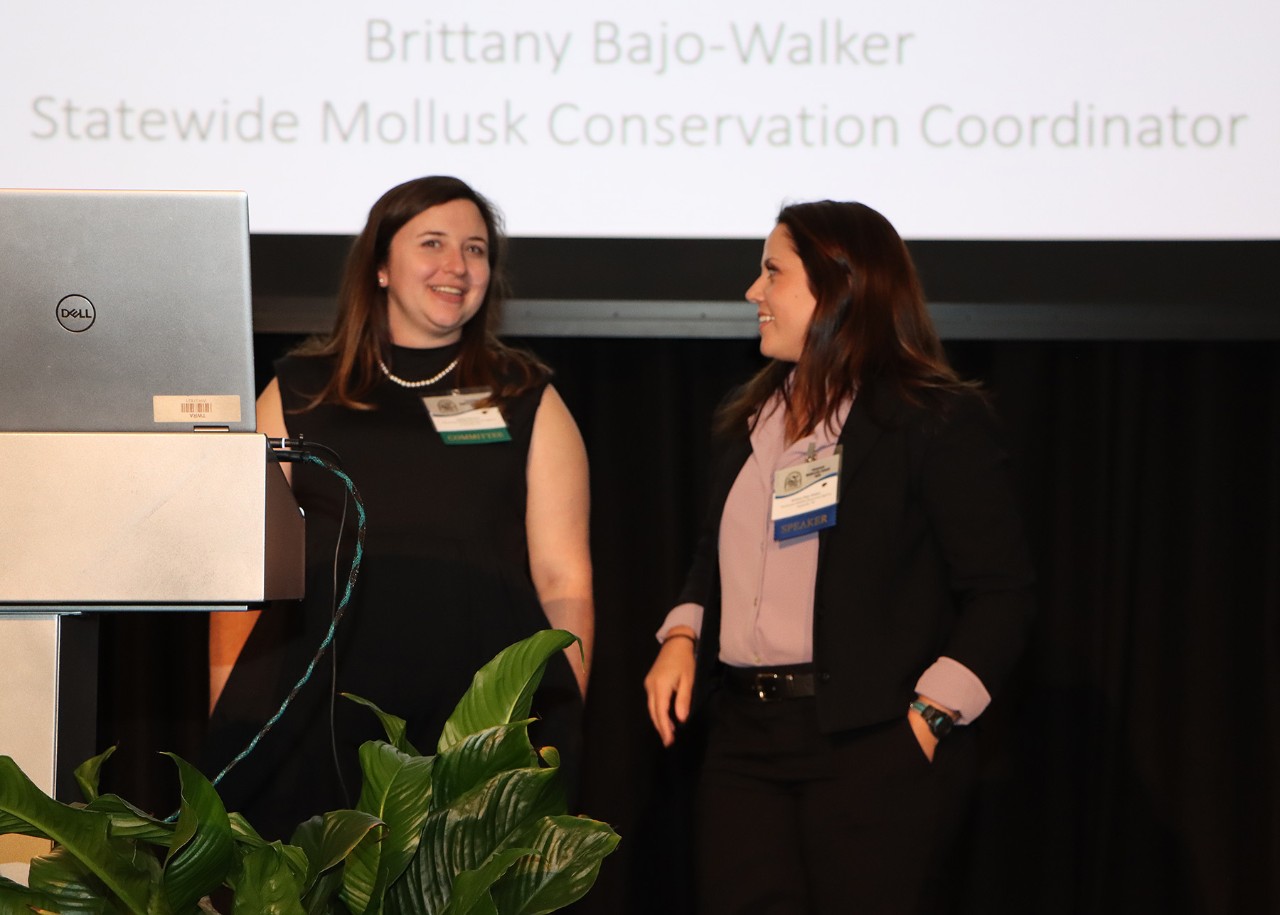
2:30 pm: Speaker: Brittany Bajo-Walker, TWRA, A Bowl! A Button! A Bivalve! Tracing the Historical Uses and Ecological Value of Tennessee's Freshwater Mussels
3:00 pm: Speaker Josh Campbell: Chief of Biodiversity, TWRA, Securing the Future, Tennessee’s STATE WILDLIFE ACTION PLAN
3:30 pm: Closing Remarks and Adjourn
Speakers
Chris Wood, Director of eBird and Program Director for the Center for Avian Population Studies, Cornell Lab of Ornithology.
Chris Wood has spent more than two decades helping to build one of the world’s largest biodiversity data resources, powered by millions of people contributing observations of birds. Chris focuses on connecting community science with advanced analytics to generate decision-relevant information for conservation, working with partners across governments, NGOs, and research institutions worldwide. His work emphasizes turning large-scale data into clear insights that can guide action for birds and biodiversity.
David Blackwood, Executive Director of the West Tennessee River Basin Authority (WTRBA).
The West Tennessee River Basin Authority is a regional watershed maintenance agency responsible for five river systems and a twenty-county service area. He holds a bachelor’s degree in Civil Engineering from the University of Tennessee Knoxville and has been a licensed Professional Engineer since 2010. Mr. Blackwood began his career in private consulting at TLM Associates in Jackson, Tennessee in 2006. His experience over the next five years included residential and commercial land development, public utility extensions, floodplain hydraulic modeling (HEC2 and HECRAS), and FEMA flood map revisions. The historic flooding of 2010 introduced him to the WTRBA and in 2011 he joined the agency as the Chief Engineer. At the WTRBA, Mr. Blackwood has coordinated the design and implementation of a wide range of water resource projects. He has designed watershed stabilization projects, floodplain restorations, and several hydraulic structures including a series of self-priming siphon systems for passive reservoir management. He assumed the role of Executive Director in 2019 and has continued to grow the agency into regional scale projects including the most recent funding of a Water Education and Training facility that will provide experience-based training with simulated floods for engineers, stormwater professionals, and first responders. Mr. Blackwood is also the Tennessee representative on the Lower Mississippi River Comprehensive Management study, a regional engineer for the Mississippi River Flood Control Association, and a Technical Fellow for the Conservation Public Institute.
Geoff Call, The Outdoor Experience, LLC.
After graduating from Virginia Tech’s Forestry and Wildlife program with an emphasis in Outdoor Recreation, Geoff Call moved to Tennessee in 1993 and began my conservation journey. I worked on contracts with the Tennessee Conservation League (now Tennessee Wildlife Federation) and The Nature Conservancy before joining the Conservation Program at Arnold Air Force Base in Tullahoma in 1996, where he gained experience in conservation planning and ecological restoration. Soon after completing a M.S. in Biology from Tennessee Tech University, he joined the U.S. Fish and Wildlife Service in 2004, where he coordinated endangered species recovery and ecological restoration efforts across Tennessee, working with government, NGO, and private partners. Since retiring from the federal government in 2025, he has been providing conservation and outdoor recreation consulting services through The Outdoor Experience in Cookeville. Currently, he’s leading recreation planning efforts on the Duck, Harpeth, and Sequatchie rivers as part of a team assembled by Risora Consulting, LLC, to develop recreation plans for 15 rivers in partnership with the Office of Outdoor Recreation’s BluewaysTN program.
David Hanni, Avian Conservation Coordinator, Tennessee Wildlife Resources Agency
As the Bird Conservation Coordinator for the Tennessee Wildlife Resources Agency, David Hanni leads statewide efforts to conserve bird species identified as Species of Greatest Conservation Need within the Tennessee State Wildlife Action Plan. He collaborates extensively with state and regional partners, including Partners in Flight, the Avian Knowledge Network, the Mississippi Flyway, and multiple bird and habitat Joint Ventures. A Colorado State University graduate, David, focuses on improving coordinated collaboration to support conservation decisions at a variety of spatial scales. David is also an outdoor enthusiast and enjoys spending time hiking, fishing, and taking photographs of birds.
Jason Miller, Assistant Chief of the Biodiversity Division at Tennessee Wildlife Resources Agency
Jason has worked on behalf of Tennessee's natural resources for many years. After completing his master's degree at Tennessee Tech, studying federally endangered fish species in Great Smoky Mountains National Park, he began his career in state service as a park ranger at Burgess Falls State Park in 2011. He previously served as Natural Areas Program Manager with TDEC’s Division of Natural Areas and now works as the Assistant Chief of the Biodiversity Division at Tennessee Wildlife Resources Agency, where he focuses on conservation and recovery of rare and at-risk aquatic species across the state.
Cory Holliday, Cave and Karst Program Manager, National Speleological Society
Cory began his subterranean career performing biological inventories of Tennessee caves for The Nature Conservancy in 2004. This foreign, underground world became a passion as he helped to discover dozens of new species and better understand underground natural systems in the region. By 2008, he was leading a team to develop a statewide planning tool that incorporated underground ecological elements and developed key ecological factors for every known subterranean species in the state. Since 2009, his work has been more focused on cave bats, where he has focused on recovering endangered bats and better understanding vulnerable bat species and their threats. Working for an international organization, he has had opportunities for cave and karst work abroad, including developing a management plan for Chiquibul Cave, which has been adopted by the government of Belize. he has chaired organizations such as the TN Cave and Karst Working Group and the TN Bat Working Group. He currently holds a position with the conservation cabinet of the NSS and has won numerous awards for his work.
Rob Bullard, Director of Water for The Nature Conservancy in Tennessee.
In this role, Rob, develops projects and partnerships across the state that benefit aquatic biodiversity and the resilience of Tennessee’s freshwater resources. Rob grew up in Franklin, TN, and earned a B.A. in Environmental Studies from UT-Knoxville and J.D. from the University of Denver.
Todd Katzner, Research Wildlife Biologist, Snake River Field Station, U.S. Geological Survey, Boise, Idaho.
Todd has more than 35 years of experience in ecology and conservation biology, and his recent work focuses on understanding and mitigating anthropogenic threats, such as wind energy, toxicants, and illegal take, for wildlife in North America and globally. Katzner has an international research program focusing on raptors in central Asia; he has more than 190 peer-reviewed scientific publications and is a co-editor and author of the book “The Eagle Watchers.” He received his B.A. from Oberlin College, his M.S. from the University of Wyoming for research on pygmy rabbits, and his Ph.D. from Arizona State University for work focused on the ecology and conservation of eagles in the Republic of Kazakhstan.
Dr. Will Kuhn, Director of Science and Research at Tennessee Nonprofit Discover Life in America.
Dr. Kuhn, helps guide DLiA’s work to discover and understand every species living in Great Smoky Mountains National Park and to educate the public about the importance of biodiversity in our lives. An aspiring naturalist, Will loves to learn about his local flora and fauna and the endless connections between them.
Sponsors
*Interested in Becoming a Sponsor? Contact Ashley Garrison.
Golden Eagle Sponsorship Level
The Greg A. Vital Center for Natural Resources and Conservation (VCNRC) at Cleveland State Community College houses the Forestry, Wildlife and Fisheries, and Agriculture programs. The aim of the center is to provide students with a quality education while affording them opportunities to attain real world experience in their chosen field. The VCNRC employs innovative classes and state of the art technology to immerse students in their field of study. The VCNRC is unique at the community college level in Tennessee and produces well trained students who have transferred to senior institutions and then gone on to work for many different state, federal, and private organizations across the United States.

Silver Haired Bat Sponsorship Level
The Tennessee Department of Environment and Conservation includes several divisions including the Division of Natural Areas (DNA) and Tennessee State Parks. The DNA is dedicated to the protection and proper management of native plants, animals, and natural communities across Tennessee. Along with managing a state-wide system of natural areas, the DNA is a lead authority regarding the location and ecology of Tennessee’s rare species.

The Tennessee Valley Authority TVA’s mission is simple, in a sense: to serve the people of the Valley region. The TVA works in three main areas including energy, environmental stewardship, and economic development.

The Nashville Zoo at Grassmere's mission is to inspire a culture of understanding and discovery of our natural world through conservation, innovation, and leadership. The Nashville Zoo is a progressive and dynamic zoological park located just 6 miles south of downtown Nashville. With just 90 of 188 acres developed, Nashville Zoo is the 9th largest zoo in the country by landmass.
Bronze Darter Sponsorship Level

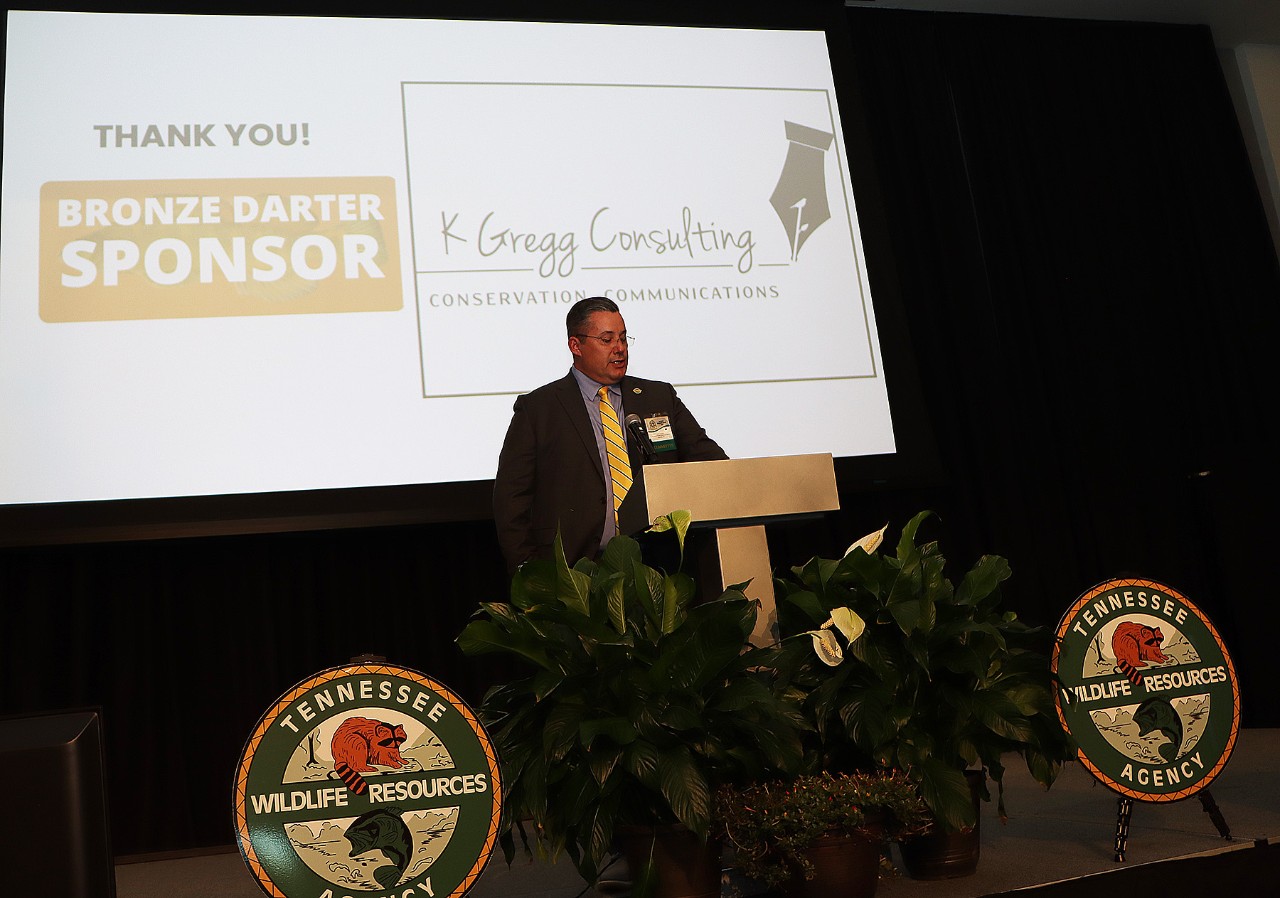
The Nature Conservancy Since 1978, we have helped protect almost 470,000 acres across Tennessee. Discover how The Nature Conservancy is working with partners across the state to preserve and protect our incredible natural areas for generations to come.
The Tennessee Aquarium The mission of the Tennessee Aquarium is to connect people with nature and empower them to make informed decisions about water and wildlife.


Registration and Meals
Registration
Nonrefundable
General admission includes a light breakfast, lunch, and a snack: $50.00
Student admission includes a light breakfast, lunch, and a snack: $25.00
Registration WITHOUT LUNCH can be purchased at the event.
Meals
Participants are encouraged to bring a reusable water bottle.
Participants can receive a light breakfast of pastries, coffee, a boxed lunch (wrap choice, salad, chips, cookie, and beverage), and an afternoon snack.
Other dining options include purchasing from several Union Building choices.
Location and Parking
Location
Middle Tennessee State University (MTSU) Grand Ballroom in the Student Unions Building
Address: 1768 MTSU Blvd,
Murfreesboro, TN 37130
Rutherford Parking Lot: 35.845732678340035, -86.3514592823737
Parking
Participants will park for free in the designated Rutherford Parking Lot. Shuttle buses to the Student Union Building are available one (1) hour before the event and one (1) hour after. All bus shuttles are ADA-compliant.
Handicapped parking is available outside the Rutherford parking lot in designated handicapped spaces near the Student Unions Building. All visitors parking outside of the Rutherford parking lot are required to obtain a permit from the Parking and Transportation Services Office at 205 City View Dr. Parking outside of the Rutherford parking lot is $2.00 per day.