Fish Habitat Management
Fish Habitat Management
“Fish habitat” refers to all environmental components necessary for fish to spawn and grow to maturity. Many parts of a fish’s environment contribute to healthy habitat, including water quality, water levels, nutrient inputs, cover, and substrate. The combination of these things provides the basis for the beginning of the food web and supplies oxygen, cover, and food for all fish and aquatic life. As lakes and reservoirs age in Tennessee, much of the physical habitat present at impoundment has been lost to natural degradation. Stands of trees eventually erode, and other structures such as roadbeds, rock walls, and natural outcropping can become covered by sedimentation over time, and nutrients can become depleted. Therefore, TWRA biologists add nutrients, physical habitat, and control water levels in small agency lakes. However, the bulk of the effort spent enhancing fish habitat is through the installation of many types of natural and artificial physical habitat structures in Tennessee’s reservoirs, which adds beneficial complexity to a relative static environment. This can add to increases in angler catch rates/satisfaction and benefits all aquatic life.
Water Quality refers to components such as nutrients, dissolved oxygen, temperature, and pollutants (including sedimentation) in the water that can benefit or harm aquatic life. To thrive, fish require oxygenated water, free of excessive pollutants, that contains the basic nutrients necessary to start the food web. One of the major disruptors of a thriving fish population, when it comes to water quality, is sedimentation. Although sedimentation is a natural process that occurs within all waterbodies, it is the number one pollutant in Tennessee and across the country because it is excessively unnatural. Land activities within a watershed have a profound effect on the rate at which sediment enters. As sediment enters the water, it becomes suspended. Suspended soil particles can cause turbidity, or reduction in water clarity, cover spawning habitat or eggs, cause poor feeding conditions for predatory fish, and even deplete dissolved oxygen levels. Turbidity reduces the ability of sunlight to penetrate the water column, in turn reducing the depth at which phytoplankton (i.e., microscopic plants beneficial to the base of the food web and the amount of dissolved oxygen in the water) can exist and limits growth of larger rooted plants. Monitoring land use practices and its effects on sedimentation is an important component of fisheries management. Often, habitat management means taking measures to stabilize shoreline areas and provide sediment traps before it can enter a waterbody. Temperature and dissolved oxygen, another component of water quality, also play a critical role in fish health and can help with growth and abundance, creating a better fishing experience for anglers.
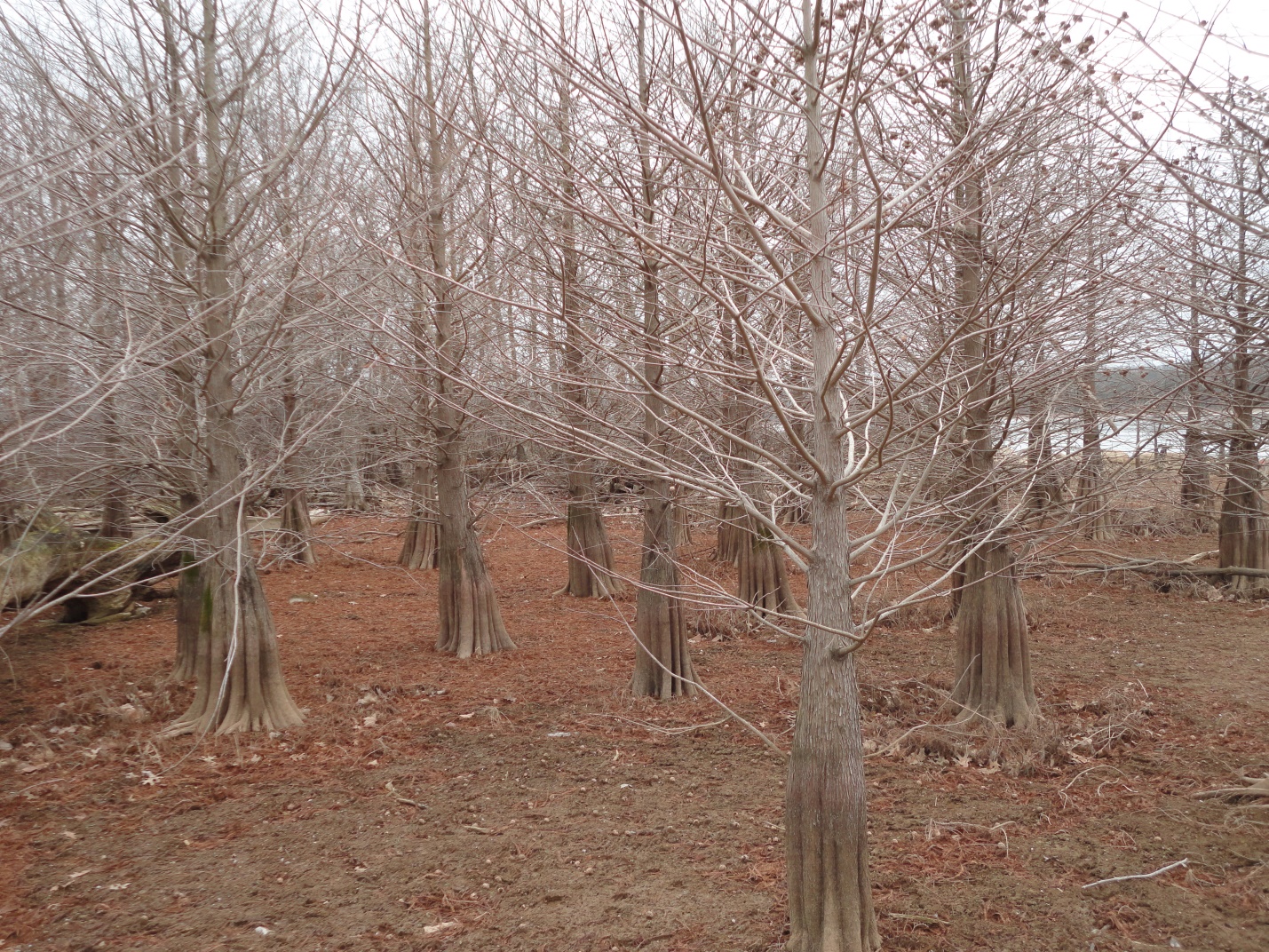
The TWRA has attempted multiple projects to establish native aquatic plants. Establishing aquatic plants can be extremely difficult for various reasons. However, Bald Cypress tree plantings have been quite successful in many reservoirs, and the established trees can trap sediment, stabilize shorelines, and provide cover for fish during times of inundation.
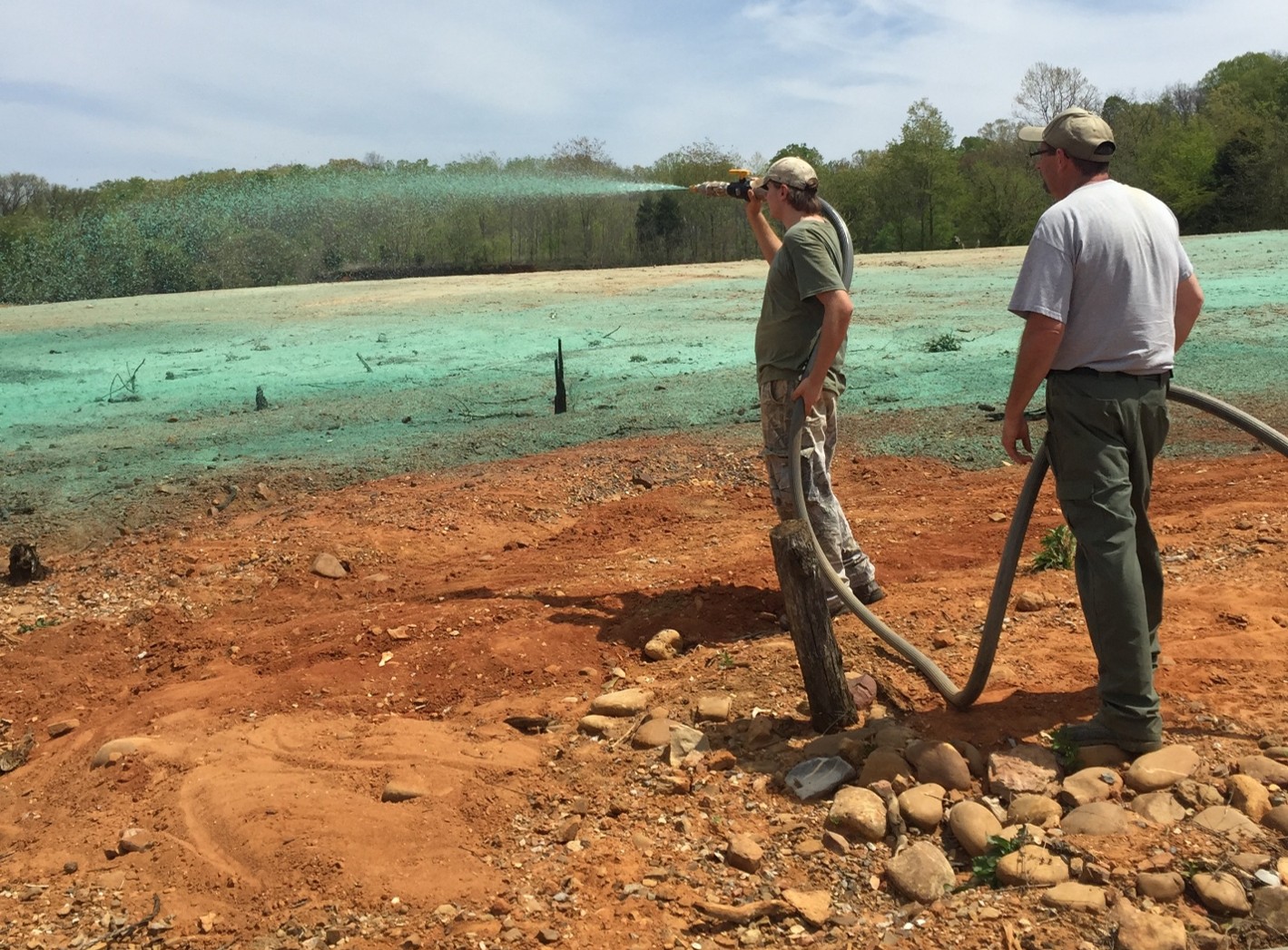
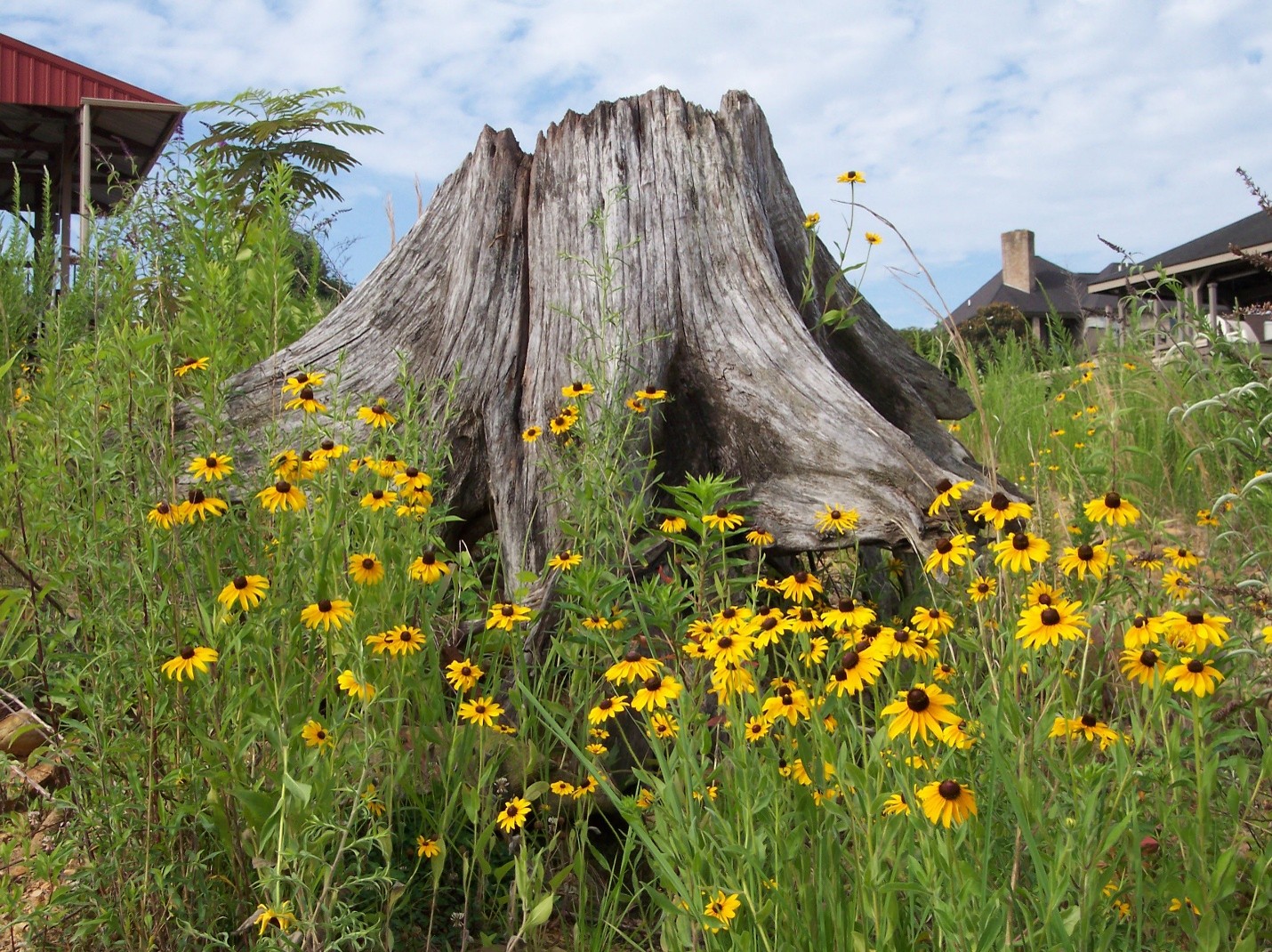
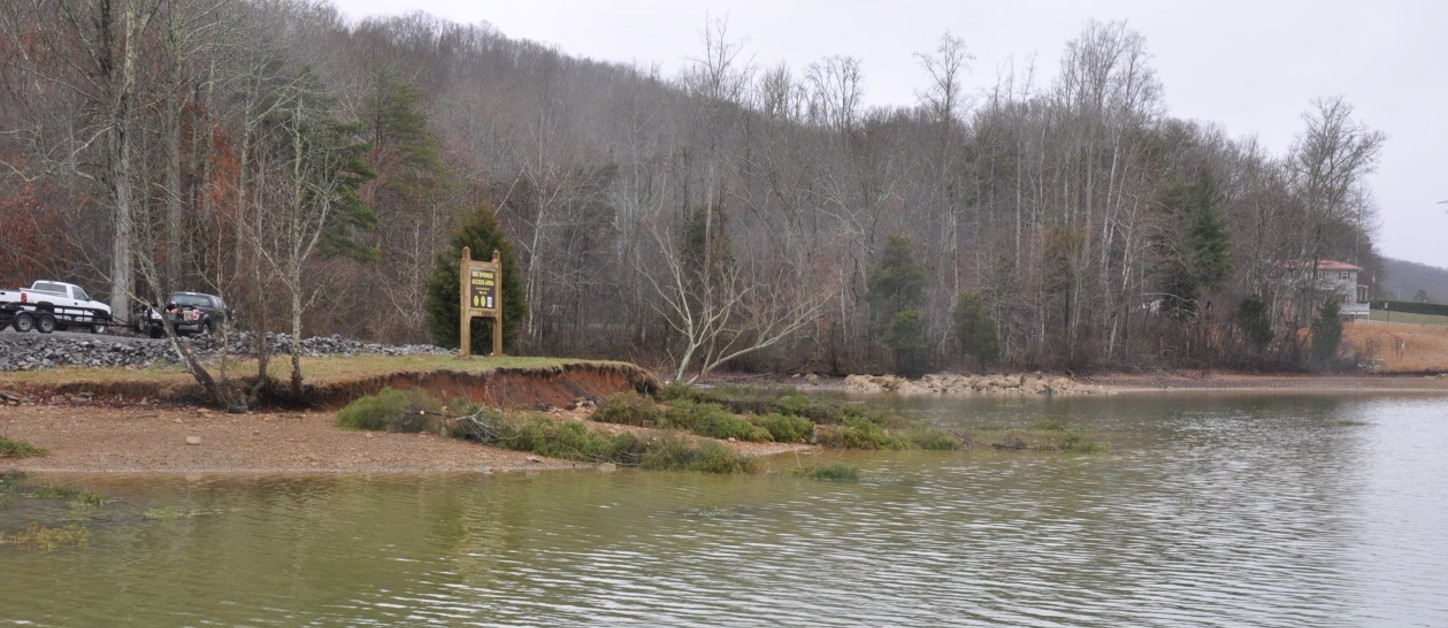
In addition to aquatic plants, shoreline cultivation of terrestrial plants has been used to stabilize the shoreline and provide nursery habitat for small fish. Terrestrial plants can be planted when reservoirs are drawn down to winter pool, allowing them to grow in the exposed lakebed during the drawdown period. Once the plants become established, they provide habitat for juvenile fishes when they are flooded during the spring as the reservoir returns to full pool. Hydroseeding was used recently on Boone Reservoir to establish shoreline vegetation on the exposed lakebed during an extended drawdown period necessary for dam repairs. The established vegetation provided erosion control during the drawdown and juvenile fish habitat when the reservoir returned to full pool after 6 growing seasons. The fish population responded by increased abundance in the Largemouth Bass and Crappie populations.
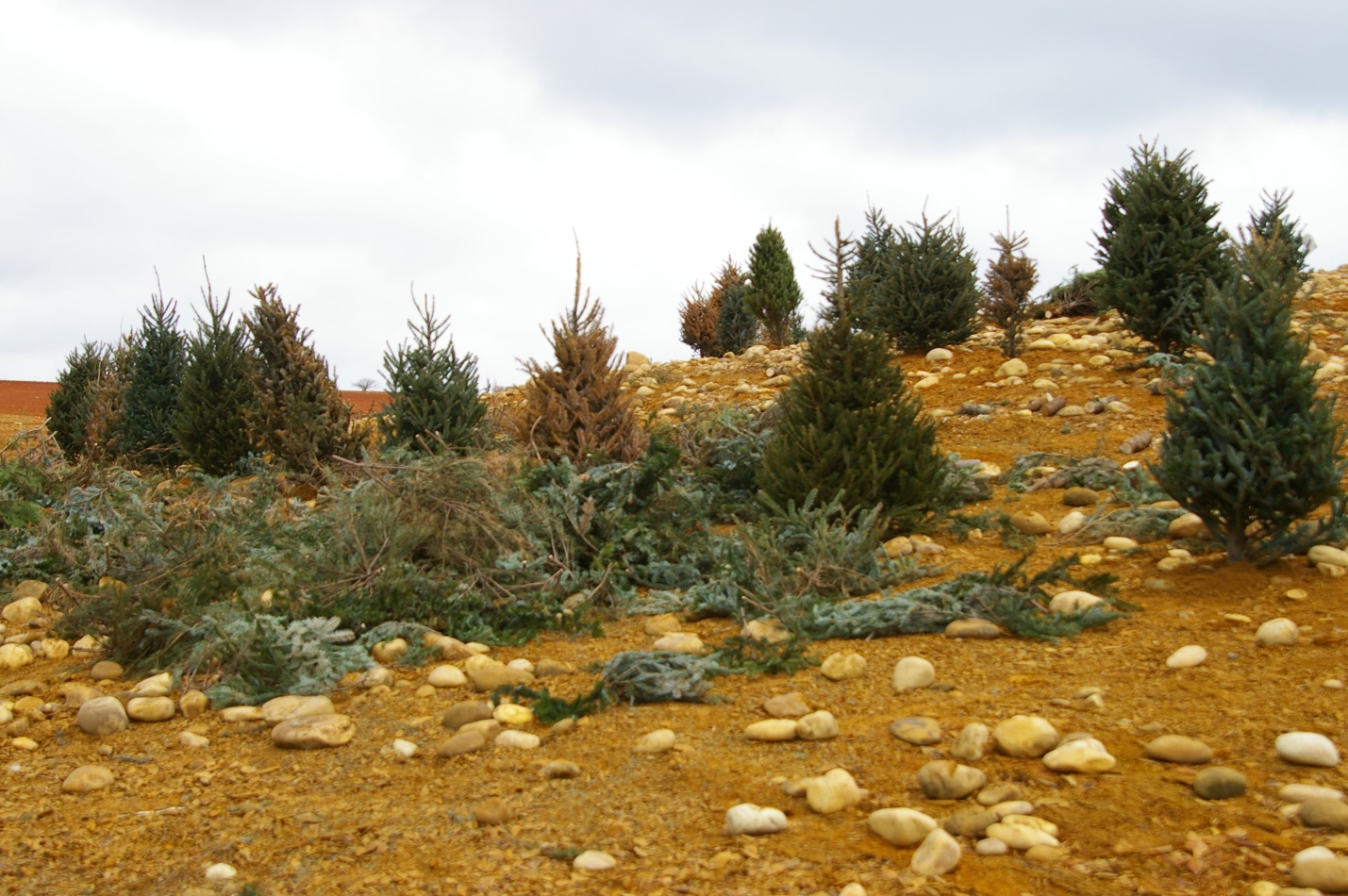
The majority of the physical fish habitat structures placed in Tennessee waters go into reservoirs. Reservoirs in Tennessee are very old, and most were built in the 1930s and 1940s. As a result, there is very little natural physical habitat left. As reservoirs age, natural woody cover such as standing timber are lost to decomposition. Other physical features such as rock walls and roadbeds also degrade with time or can become covered with sediment. To replace the natural cover lost over time, TWRA installs physical structures that provide habitat and attract fish to certain areas and can be constructed from both natural and artificial materials.
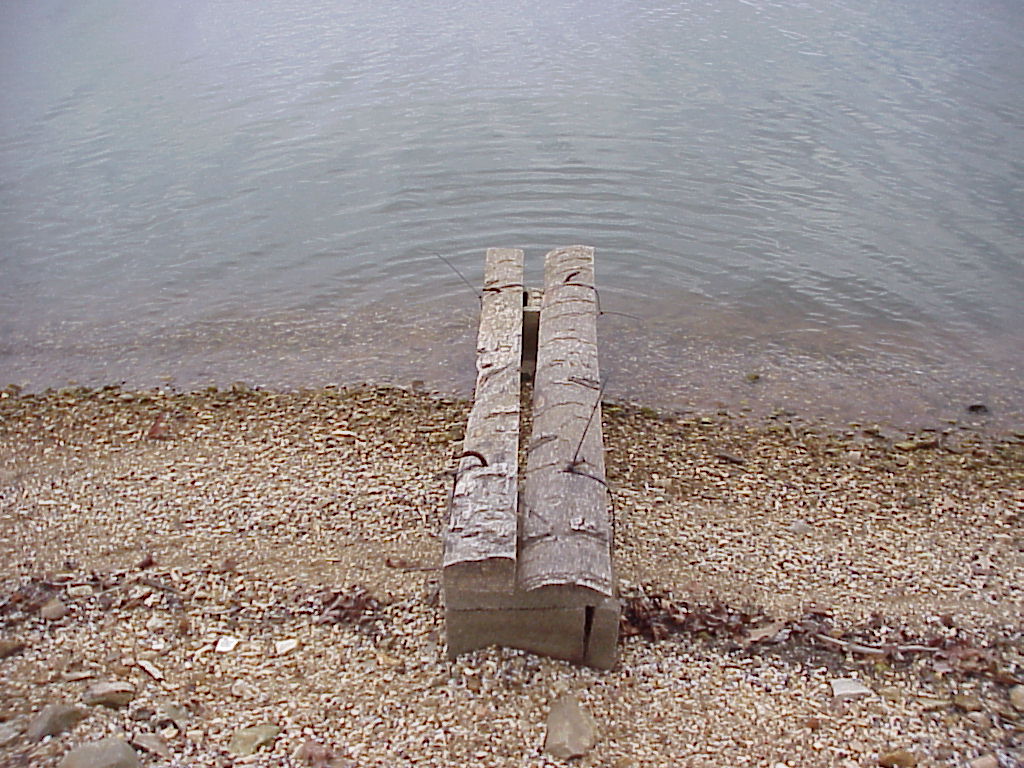
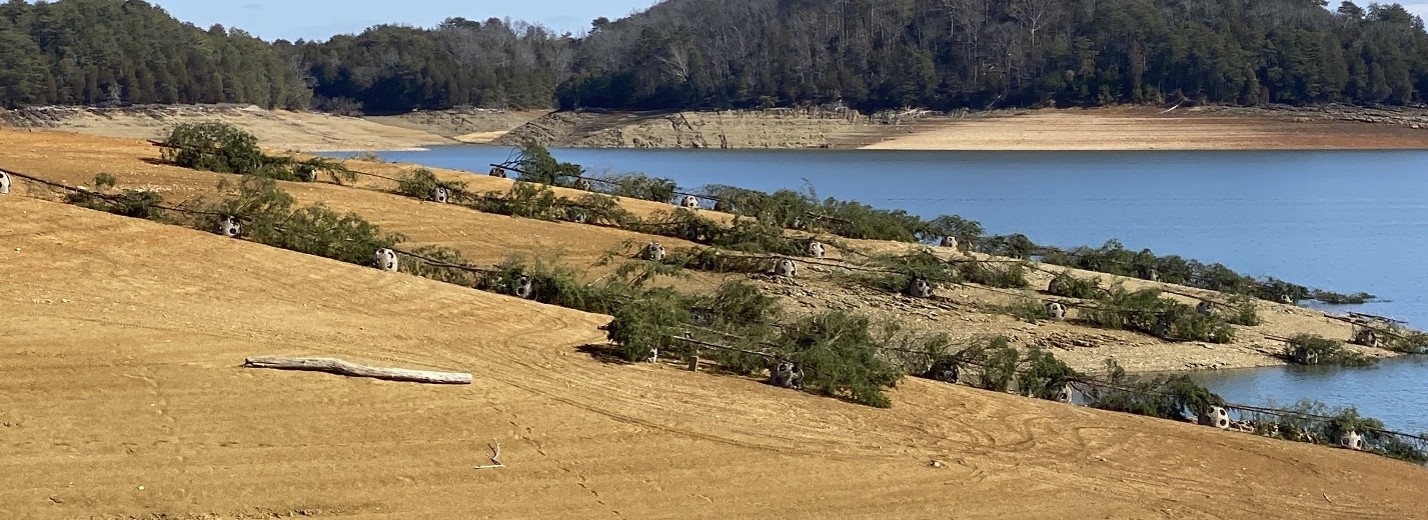
Natural materials include trees, wooden stake beds, and rock piles. The brushy structures can be shaped and anchored in many different ways and provide cover for juvenile fish and forage fish, as well as provide ambush points for larger fish. The advantages of natural materials are that they are readily colonized by invertebrates, which provide a food source for juvenile fishes; they are readily adopted by many cover-oriented fish species; they add no synthetic materials to the environment and, as woody materials decompose, they provide food for bacteria and other microscopic organisms. The biggest disadvantage to natural materials is the need to replace the materials frequently due to degradation.
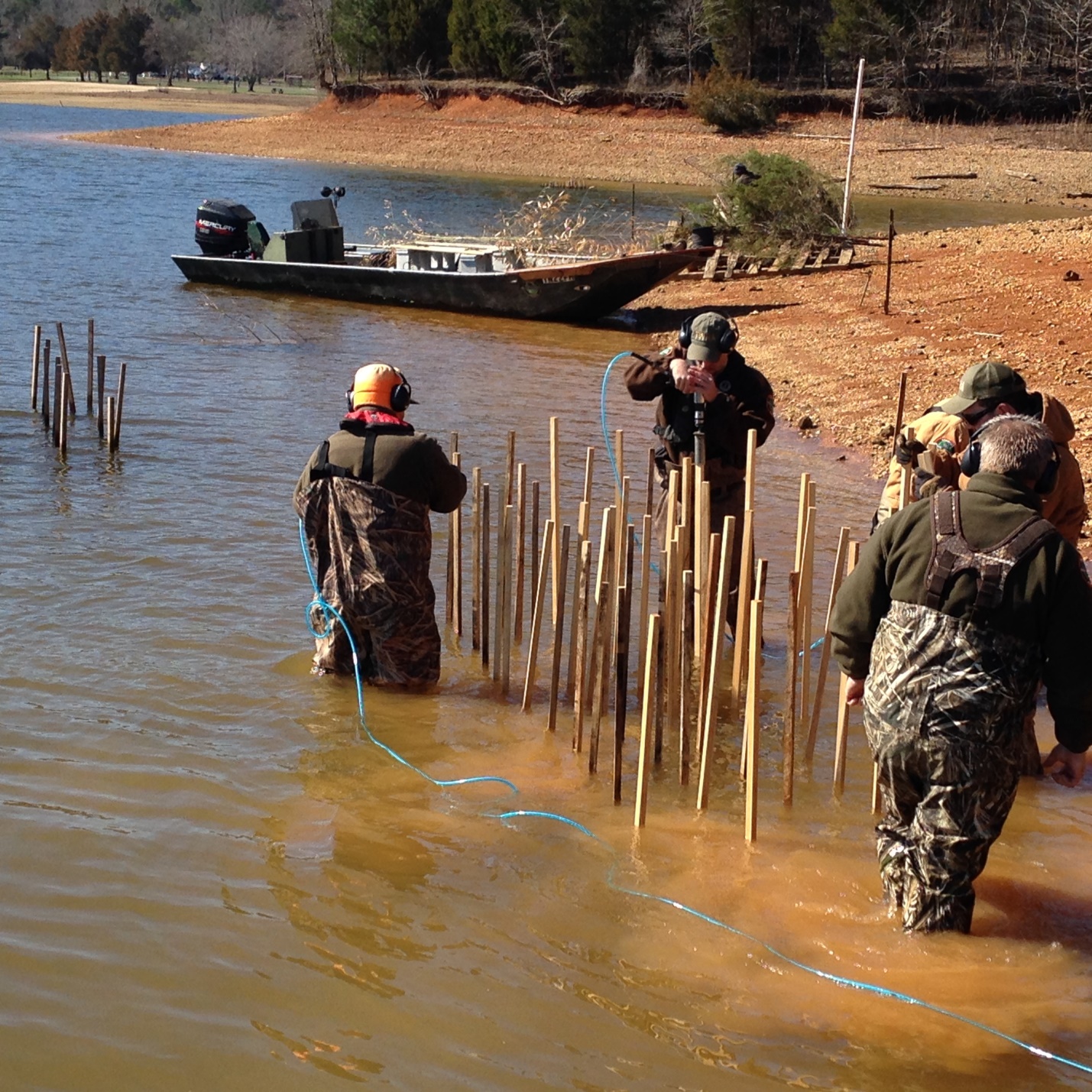
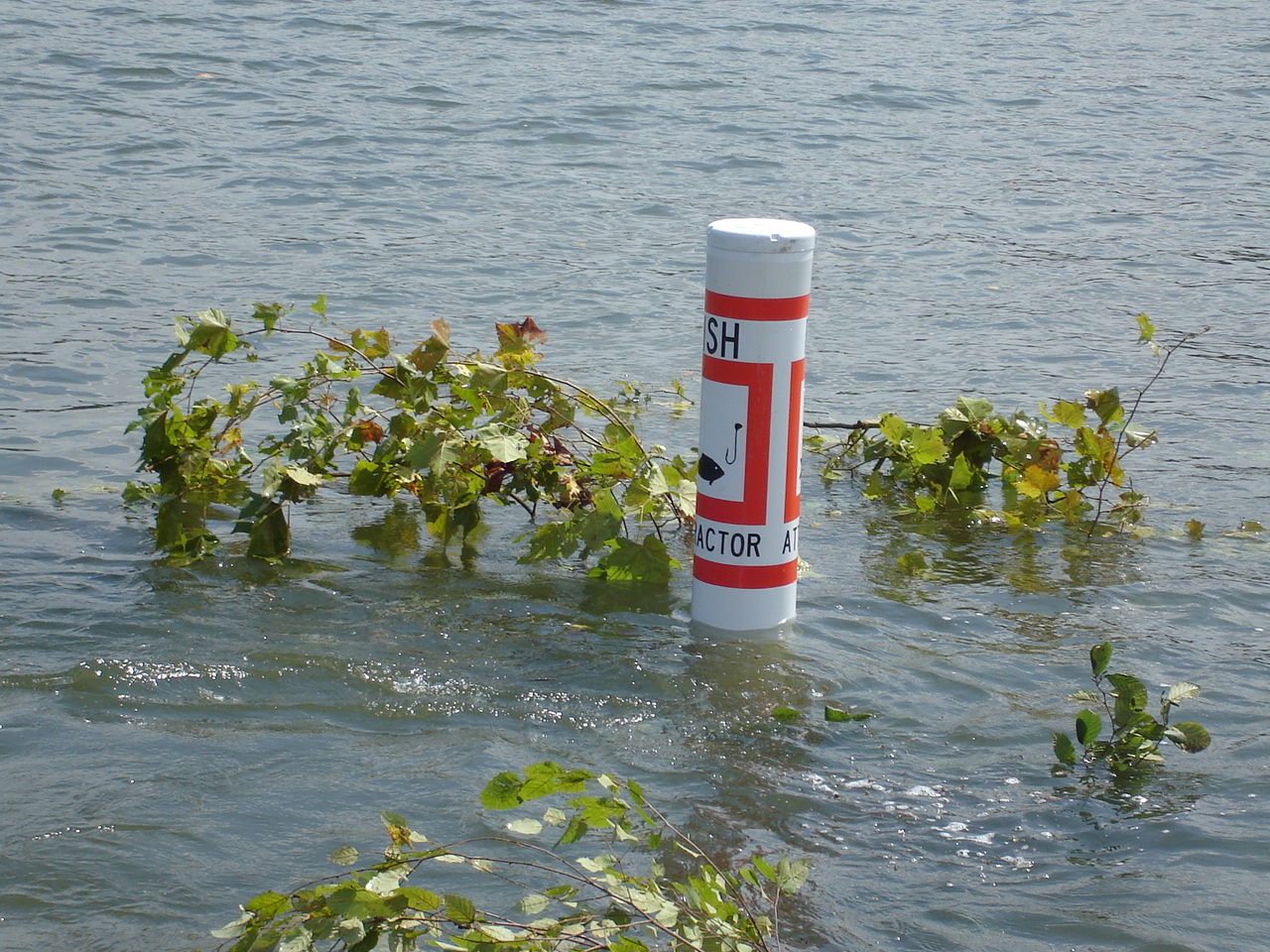
In addition to physical structures made from natural materials, TWRA also installs structures made from artificial materials, including plastics and concrete. The biggest advantage of these materials over woody debris is longevity, where structures can last decades. Although not as easily colonized by aquatic invertebrates as natural materials, most plastic structures will eventually become colonized with these important food items. The materials used are often dictated by availability and cost and can be arranged in a variety of shapes and sizes to fit the specific needs of the waterbody. While concrete structures are manufactured, they are made from natural materials and are quickly colonized by periphyton and invertebrates.
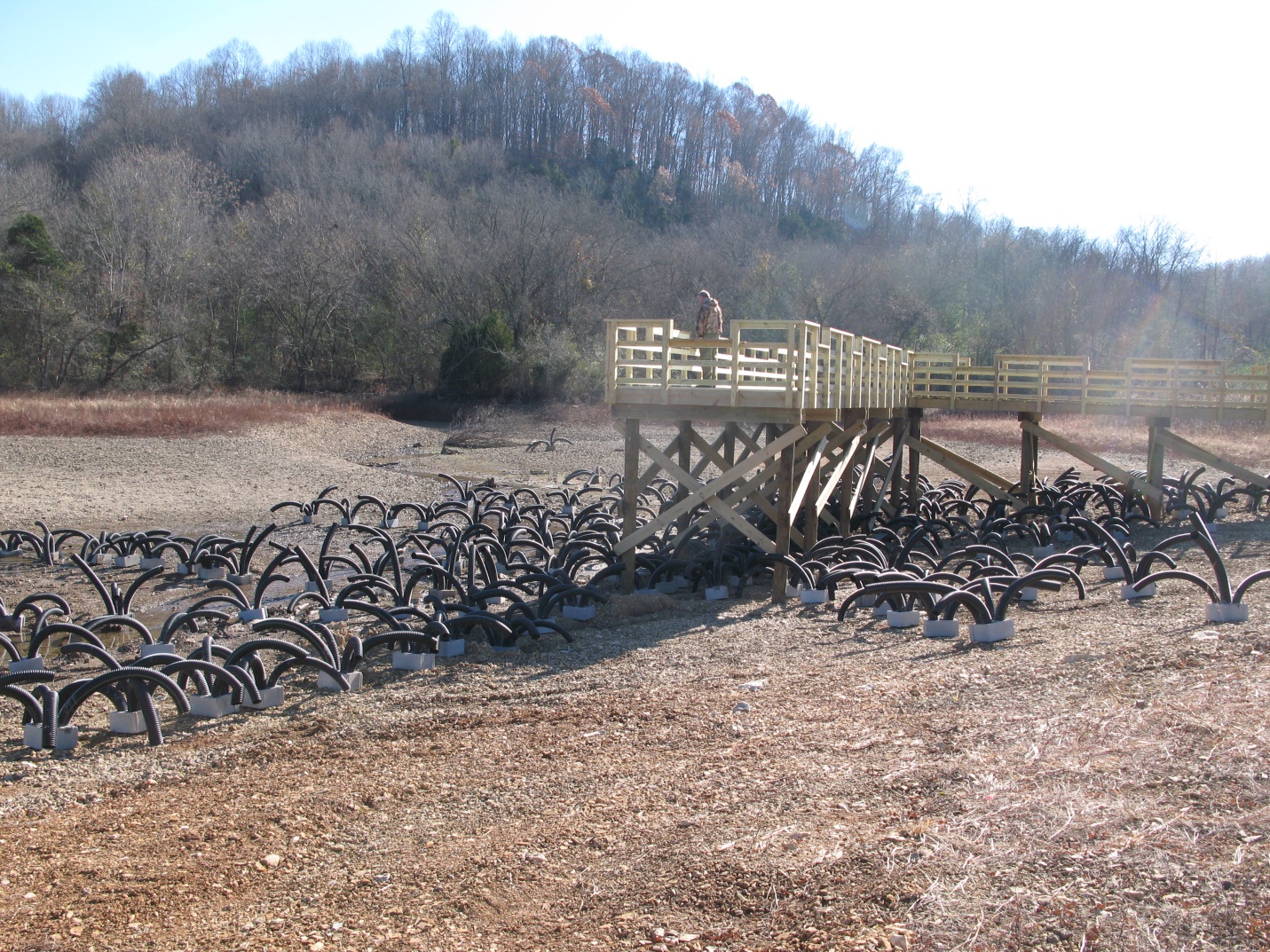
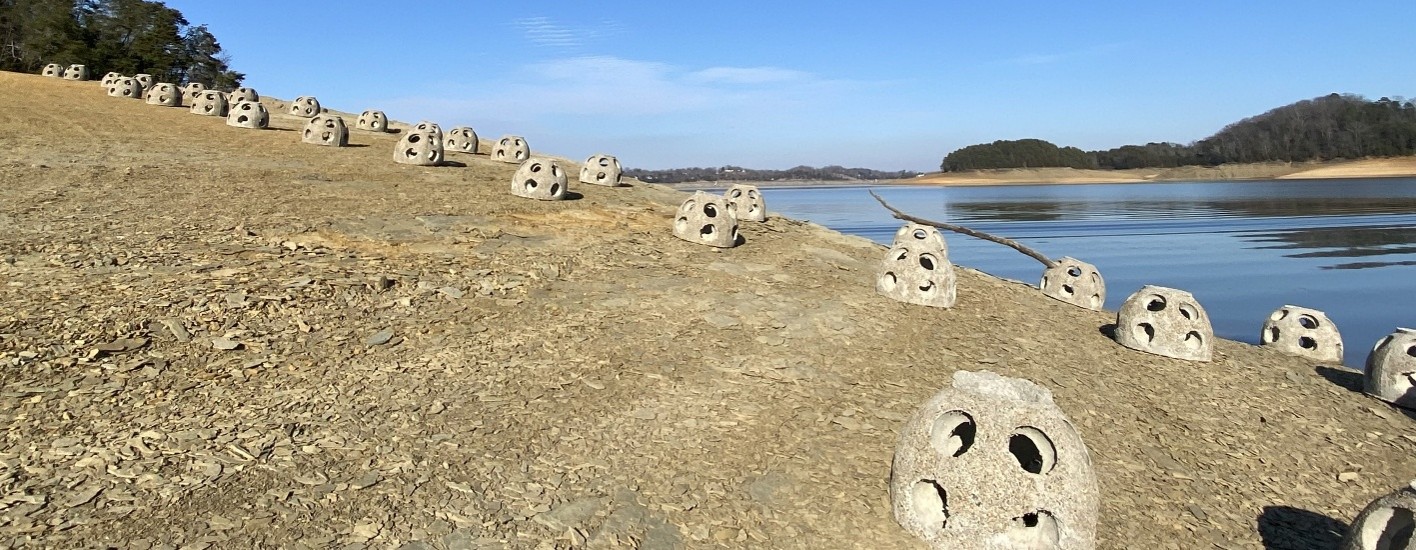
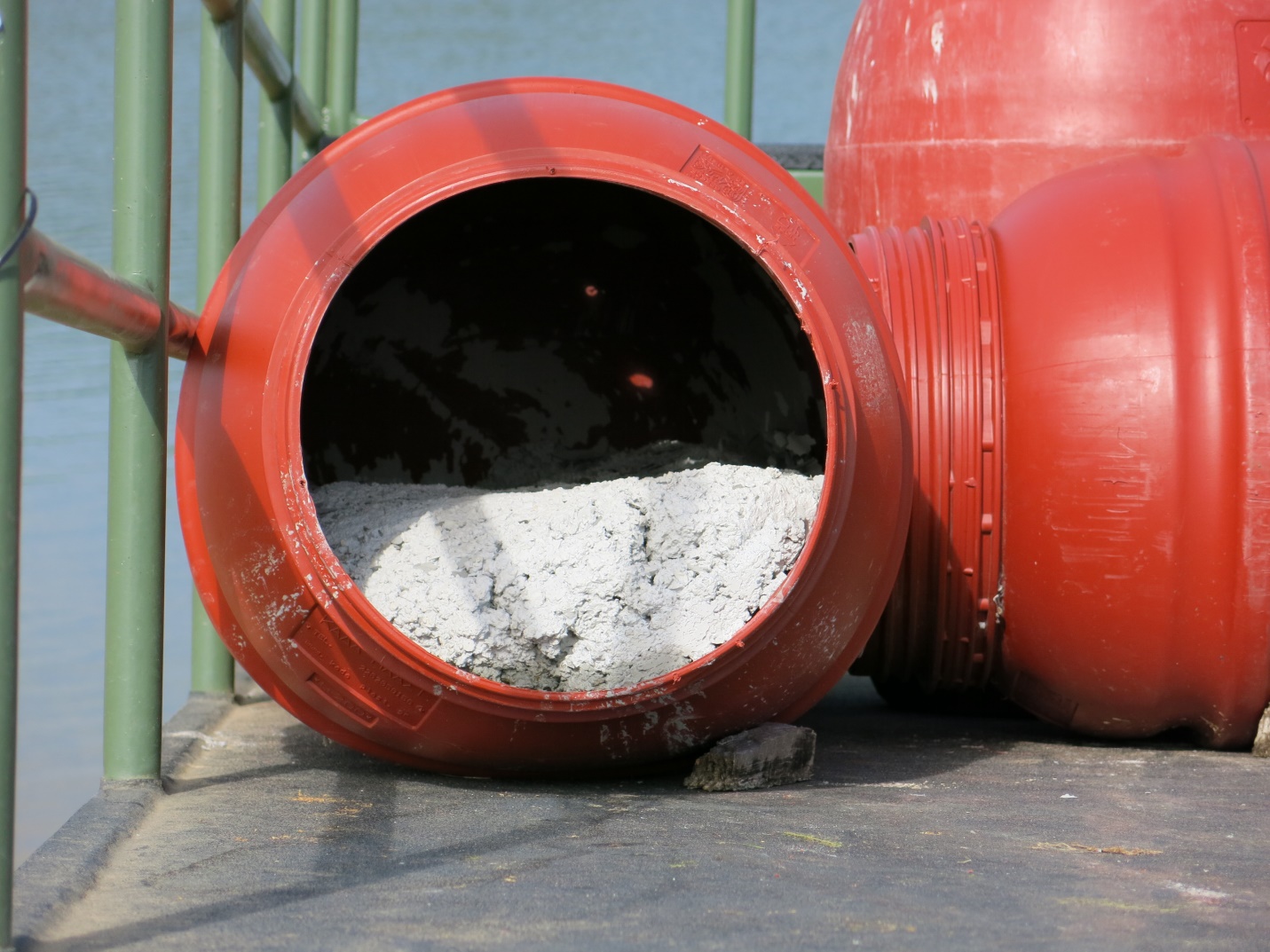
In addition to fish habitat structures made completely from either natural or synthetic materials, many of the installations are composites of both. These structures have the advantage of being readily colonized by invertebrates and juvenile fish while having a lifespan greater than natural materials alone.
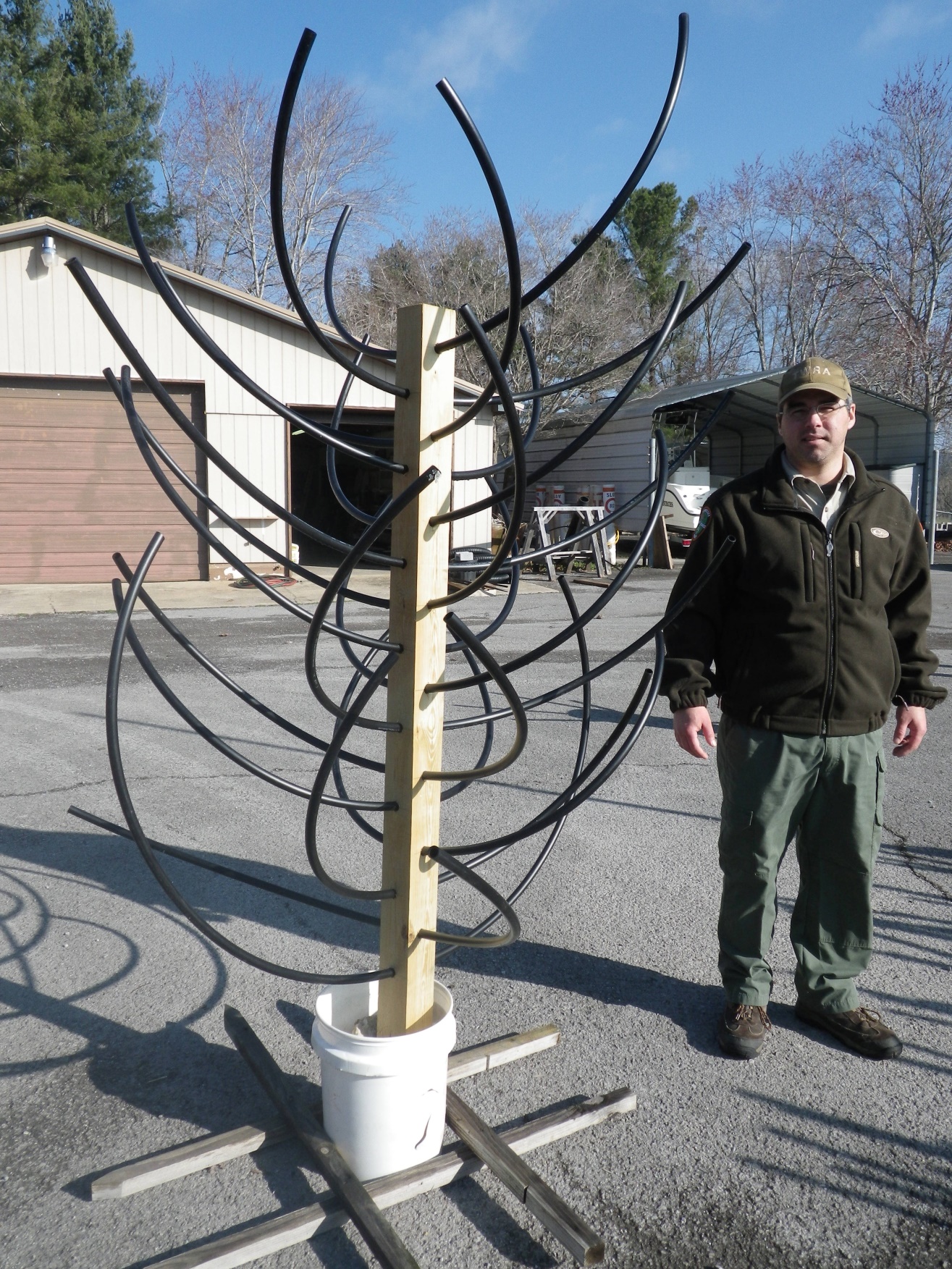
TWRA does NOT regulate fish habitat structures on any waterbody except the small, agency-owned lakes in middle and west Tennessee. Generally speaking, for Tennessee Valley Reservoirs (TVA) reservoirs, fish attractor installations are allowed only for those who own adjacent land and have a 26a permit issued by TVA. For United States Army Corps of Engineers (USACE) reservoirs, the public can obtain a permit for placing fish habitat structures but must consult their local USACE district office for doing so.
Angler Surveys
Fisheries management in Tennessee is based on information collected with sound methodology using the most contemporary techniques available within the community of fisheries professionals. Although the methods we use for obtaining information are sound and proven, there is no way to circumvent the inherent variability common to biological data. It is, however, possible to validate our findings by comparing the results of multiple techniques. Commonly, we use angler surveys to complement fish community surveys.
Angler surveys rely on fishermen to provide information about a fishery, including effort, catch, preferences, demographics, and economics. The information we collect through angler surveys gives us an unbiased sample of the angling population that we use in addition to our fishery-independent assessments to select the best management plans to accommodate the widest variety of anglers.
Just as no single sampling method can be used to describe every fish population, no single angler survey method can adequately represent all anglers or all components of a fishing experience. We therefore use several angler survey techniques to gain a comprehensive picture of the sportfishing population in Tennessee. The methods are described below:
Telephone Surveys
The TWRA contracts annually with the University of Tennessee (UT) to do an annual random survey of licensed anglers.
A list of licensed anglers is provided to the Human Dimensions Research Lab at UT. From that list, a large random sample of anglers is contacted by telephone. The anglers are asked questions such as where they live, where they like to fish, the type of fishing they do, which species they like to fish for, and their satisfaction with fishing in Tennessee. The anglers are also invited to provide comments and suggestions concerning the management of Tennessee Fisheries.
The Advantages of this type of survey are:
Provides unbiased, randomly collected information about the entire angling population in Tennessee.
Low cost per interview
Good response rates
The Disadvantages Include:
Recall Bias - This means that an angler may be asked questions about a fishing experience that occurred weeks, maybe even months, before the interview. The angler may not be able to accurately answer all of the questions due to the passage of time.
A particular portion of the angling population may choose not to respond
On-Site Angler Creel Surveys
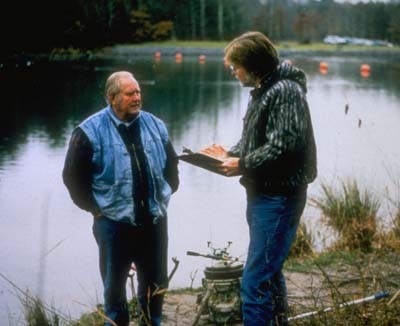
Each year, representatives from the TWRA approach anglers while they are fishing to ask them about their fishing experience that day. This process is known as a creel survey.
The "creel clerks" ask anglers questions about the amount of time they have been fishing, what they are fishing for, what they have caught or released, where they are from, and questions about how much money was spent on the fishing trip. The information obtained is very useful to TWRA fishery biologists to make informed decisions regarding the management of the state's resources.
Currently, the TWRA employs 11 full-time creel clerks who conduct creel surveys on 17 reservoirs throughout Tennessee. Annually, they collect between 10,000 and 15,000 interviews. In addition to reservoirs, various seasonal stream and tailrace surveys are conducted on an as-needed basis. The TWRA also contracts with the Tennessee Technological Institute from time to time to conduct specialized surveys where new research is the main focus.
The creel clerks may approach anglers by boat while they are in the process of fishing. This type of survey is known as a "roving creel survey". At other times, the creel clerk may wait at a boat ramp or pier to interview anglers at the completion of a fishing trip. This is known as an "access point creel survey". If you are approached by a creel clerk, please take a few minutes to respond to an interview. This process allows you to have a voice in the management of Tennessee's fishery resources.
Advantages of Creel Surveys:
No recall bias - anglers are not required to remember effort and catch from past fishing events
High response rates
Creel clerks are able to directly observe caught species. This allows for accurate identification and measurement of harvested fish.
Disadvantages of On-Site Creel Surveys:
It can be difficult to relate the information to the entire fishing population. For example, a reservoir creel survey would not represent stream or pond anglers.
High cost per interview
TWRA reservoir biologists spend many hours each year monitoring sport fisheries and forage fish communities. Because looking at the entire population of fish in a lake is virtually impossible, biologists must depend on sampling to get a snapshot of population status and make predictions about how it will look in the future. Different sampling methods (electrofishing, nets, trawls) are used to sample fish populations. Targeted species surveys may be conducted to obtain information about fish population size structure, recruitment, growth, density, and mortality.
Information gathered from sampling surveys is coupled with information about the human and habitat components of sport fisheries and used to make management recommendations for harvest restrictions and/or stocking. Hatchery managers also use these gears to collect broodstock from wild populations, which can be used in hatcheries to produce fish for stocking. The following section briefly describes sampling gear used by TWRA reservoir fisheries and hatchery staff.
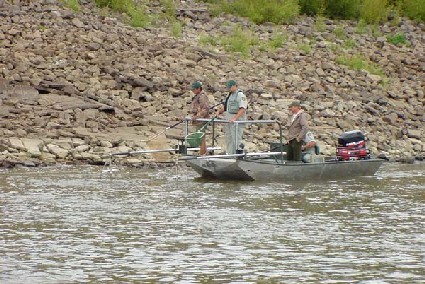
Boat mounted electrofishers are used in Tennessee reservoirs to fulfill various sampling objectives.
Bass, crappie, and sunfish are highly vulnerable to this gear and surveys are normally conducted during the spring months.
A sampling design is chosen which reflects habitat diversity within a lake and fish are collected after being stunned by the shocking boat's electrical field.
Dip netters at the front of the boat pick up the fish and hold them in livewells for later analyses.
Gill nets are used for a variety of fish species that are difficult to sample with electrofishing gear.
TWRA uses them to collect sauger, walleye, white bass, striped bass, and Cherokee bass.
Most netting surveys are conducted during the winter months and may be targeted at pre-spawn runs.
Like other sampling methods gill net samples yield important insight into natural spawning success, success of stocking programs, and sizes of fish available to anglers.
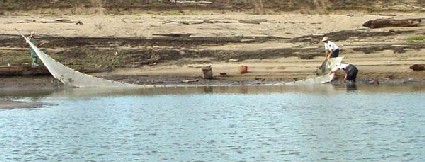
Like electrofishing, seining is an active sampling method that allows biologists to look at forage availability, and survival of young sport fish.
Seines are really long, fine-meshed nets that are dragged through the water in shoreline areas.
Seine hauls have also been used by TWRA to evaluate stocking success of striped bass.
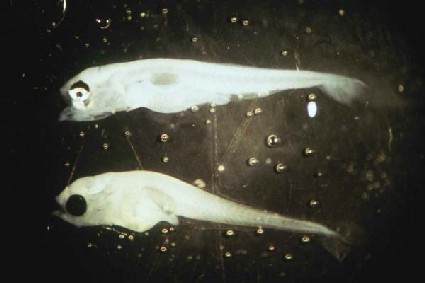
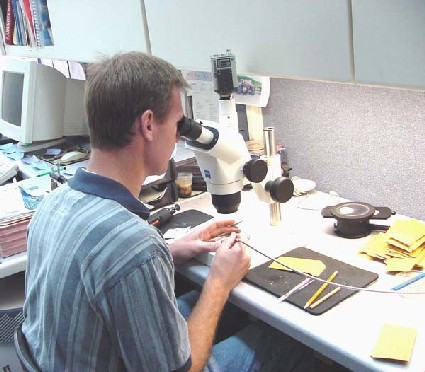
Often the work does not stop in the field for TWRA reservoir crews.
Fish samples often must be processed in the lab, species identified, and counted.
In addition, otoliths (ear bones) are routinely used by TWRA biologists to determine age structure and growth rates for sport fish populations.
Data must be entered into computer databases, analyzed, and summarized for reports.
The scenes below illustrate some of these activities.
Small Lakes and Ponds Management and Design
Good fishing doesn't just happen! A pond that consistently produces good catches of fish is a result of proper planning, construction, and management.
Tennessee has approximately 200,000 ponds and small lakes that provide over 100,000 acres of potential fishing water. In fact, these waters account for nearly one-fourth of all fishing trips made in Tennessee annually. Ponds and small lakes are often the "stepping stones" for Tennessee youngsters who later become dedicated anglers and conservationists. With proper planning and management, these waters have the potential to provide many enjoyable hours of good fishing.
A good pond depends on location, design, construction, stocking, and management. After the pond is completed, success or failure depends on the landowner's use of necessary practices to establish and maintain good fish populations. Recreational fishing in ponds and small lakes can benefit tremendously from a small amount of management effort. Proper stocking of the right species and number, a balanced harvest of mature fish, proper fertilization (if needed), water quality management, and aquatic weed control are basics that the pond/small lake owner should understand. Many unmanaged (or mismanaged) ponds could produce many more pounds of fish than they currently do if good management practices were followed.
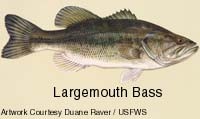
Strategies for Stocking Fish
Although the stocking strategy you choose should be geared to the kind of fishing you want, for the best recreational fishing and table fare, the largemouth bass, bluegill, redear sunfish, and channel catfish (optional) are hard to beat in Tennessee.
New or renovated ponds must be properly stocked because the fish that are originally introduced represent the future sportfish catch and harvest for many years to come. Improper stocking seldom provides desired results. Except for supplemental stocking of channel catfish, a pond that already contains fish generally does not need to be stocked. Fingerling fish (2-4 inches) stocked into a pond that contains adult fish will become fish food. Only stock additional largemouth bass or sunfish if recommended by a fisheries biologist.
Moving fish from your neighbor's pond or a local lake to your pond is not recommended. Many sunfish species are similar in appearance. You could mistakenly stock sunfish that are not desirable in small ponds. Also, there is a good possibility of transmitting fish diseases from pond to pond.
In general, sunfish (bluegill/redear) are stocked in the fall and winter months. Bass are stocked the following spring. The timing is not as critical with catfish and hybrid sunfish combinations, but fingerling survival is always best when fish are stocked into cool water.
Stocking Combinations
Number of fingerling fish per acre, for stocking new or renovated ponds without an existing fish population:
Largemouth bass and bluegill at 75-100 bass/acre and 500 bluegill/acre.
Largemouth bass, bluegill, and redear sunfish at 75-100 bass/acre, 400 bluegill/acre, and 100 redear sunfish/acre.
Largemouth bass, bluegill, and channel catfish at 75-100 bass/acre, 500 bluegill/acre, and 50-75 catfish/acre.
Largemouth bass, bluegill, redear sunfish, and channel catfish at 75-100 bass/acre, 400 bluegill/acre, 100 redear sunfish/acre, and 50-75 catfish/acre.
Channel catfish only at 100-150/acre.
All of the above combinations, except catfish only, must be stocked in ponds larger than 0.25 acres, and preferably in ponds 1 acre or larger. Channel catfish can be stocked alone in smaller-sized ponds at 100-150 per acre, without supplemental feeding.
Stocking hybrid sunfish can offer a good alternative for owners of very small ponds (less than 0.25 acres) up to ponds 3 acres in size. However, it is important for the owner to know that certain conditions are critical and need to be met for the success of ponds stocked with hybrid sunfish. First, do not stock hybrid sunfish in ponds containing other fish, and never stock them in combination with other bream(bluegill and redear sunfish) species. The reason for this is that [redear sunfish] hybrid sunfish will cross-breed with other bream species, and hybrid identity and vigor will soon be lost. Second, hybrid sunfish should always be stocked in combination with a predator fish, such as a largemouth bass or catfish, to control both the small amount of expected hybrid sunfish reproduction (which is not desirable) and wild fish that may accidentally get into the pond. In either case, more food will be available for the stocked hybrids.
It is important to remember that hybrid sunfish management is for the production of large sunfish, and bass growth will be less than desirable. Also, periodic restocking of hybrid sunfish will be necessary to sustain the fishery for more than a few years. The recommended initial stocking rate is 750 hybrid sunfish and 30 largemouth bass per acre, or 400 hybrid sunfish and 100 catfish per acre. Pond owners should keep records of the number of hybrid sunfish removed and, if possible, restock with 3 to 4-inch hybrids when 60 to 75 percent of the original stocked fish have been caught and removed.
Information about Grass Carp
White amur, commonly called grass carp, is another fish species that may be stocked into ponds that have aquatic plant problems. Grass carp feed almost exclusively on aquatic plants and, therefore, can be an effective biological control method when aquatic plants become a nuisance.
Although aquatic plants are beneficial to natural functions in fishing ponds and lakes, they can sometimes interfere with the owner's preferred use of the pond when allowed to spread unchecked. Triploid grass carp may be stocked with other fish species at recommended rates and may be obtained from commercial fish producers. Only triploid (sterile) grass carp are legal to stock in Tennessee.
No special permit is required of the pond owner to stock grass carp at this time, but pond owners should obtain verification from the sellers that they are purchasing triploid grass carp.
