Middle-West Tennessee Clean Fuels Coalition
Clean Cities and Communities is a U.S. Department of Energy (DOE) partnership that fosters collaboration and innovation to advance transportation energy choices nationwide. More than 75 U.S. DOE-designated Clean Cities and Communities coalitions work in urban, suburban, and rural areas to deliver objective technical expertise based on a unique understanding of local markets. As partners with U.S. DOE’s Vehicle Technologies Office, coalitions build bridges between national priorities and local needs to create transportation energy systems that are affordable, reliable, and secure. In Tennessee, there are two U.S. DOE-designated coalitions in the Clean Cities and Communities partnership: The Middle-West Tennessee Clean Fuels (MWTCF) coalition and the East Tennessee Clean Fuels (ETCF) coalition. The website for these two coalitions, known collectively as Tennessee Clean Fuels, may be accessed at http://www.tncleanfuels.org/.
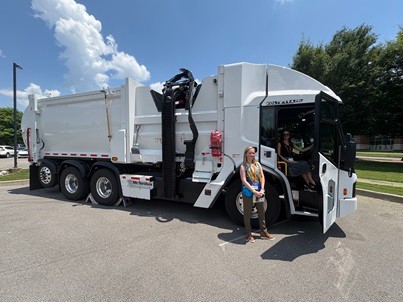
MWTCF supports all alternative fuels, including propane, natural gas, biodiesel, ethanol, hydrogen, and, as pictured above, electric. The photo above was taken at the 2025 Drive Electric Tennessee Momentum Summit in Murfreesboro, TN, where stakeholders from across the state gathered to share insights and explore transportation electrification, including workplace charging, economic and environmental benefits, and workforce and manufacturing opportunities in the EV industry. Highlighted in the photo is a McNeilus® Volterra™ ZSL™, which was named 2025’s “Coolest Thing Made in Tennessee" by the Tennessee Manufacturers Association.
As of February 1, 2017, TDEC OEP assumed the role of host organization for MWTCF. As MWTCF’s host organization, OEP provides technical assistance and targeted outreach, within the Coalition’s territory, to raise awareness and foster a greater understanding of alternative fuels and advanced vehicle technologies. Additionally, OEP tracks, validates, analyzes, and reports on critical information and performance metrics necessary to gauge consumer acceptance and track the growth/adoption of technologies and practices in the marketplace. For more information on the Clean Cities and Communities partnership, click here. For more information on MWTCF, click here. Download the 2024 MWTCF Annual Report here.
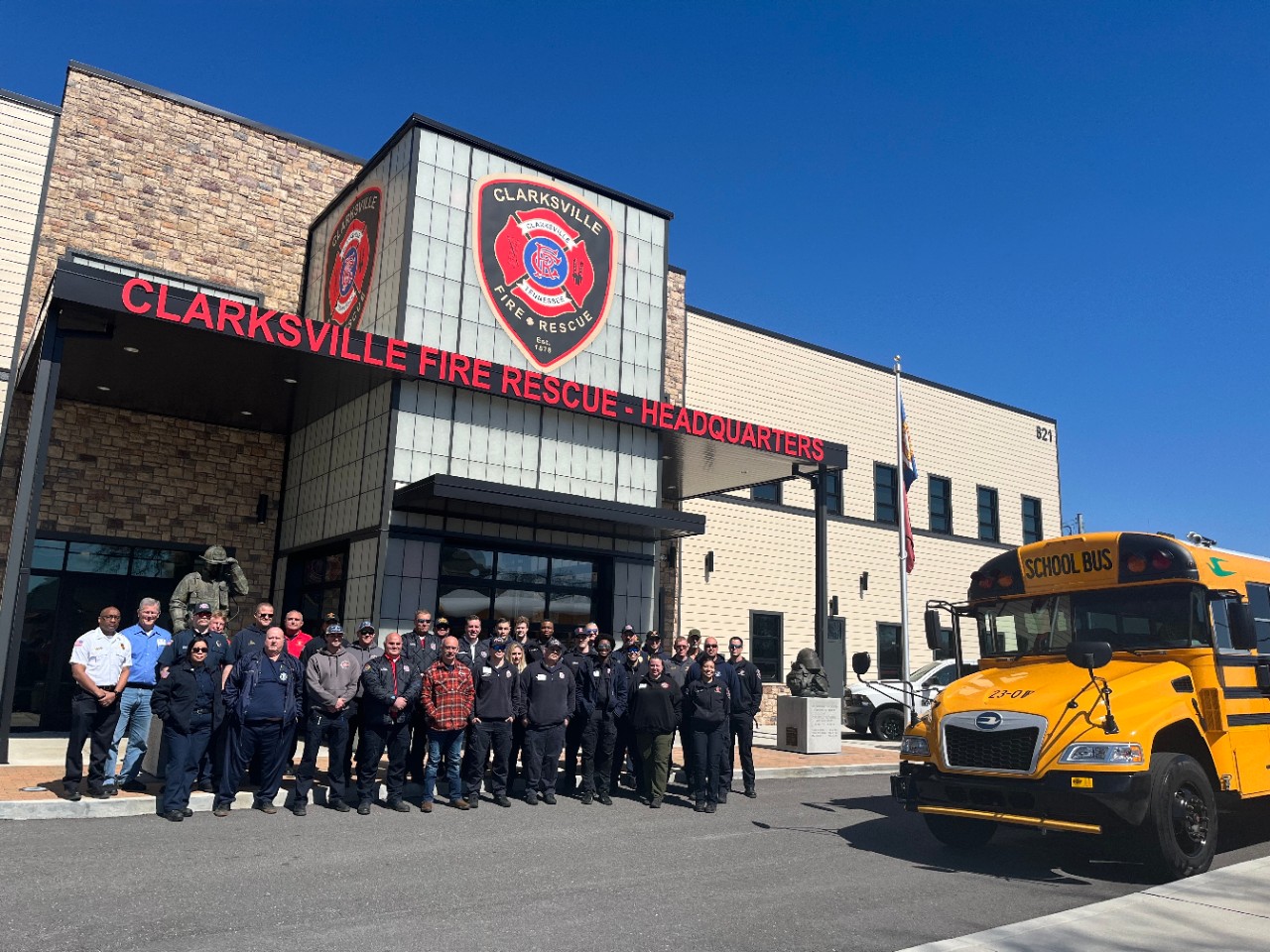
The National Laboratory of the Rockies developed a case study, Emergency Incident Training on Alternative Fuel Vehicles Helps Keep First Responders Safe, featuring work done by MWTCF. The case study provides an overview of the trainings, which were hosted by MWTCF and the National Fire Protection Association (NFPA), to equip first responders with the resources needed to safely address incidents involving alternative fuel vehicles (AFVs). Alternative fuels addressed in the training included compressed natural gas, propane, hydrogen, and electricity. Learn more about the AFV safety training here.
This Page Last Updated: March 4, 2026 at 8:05 AM