Teacher Leader Model
Metro Nashville Public Schools (MNPS)The need for a well-designed plan for teacher leadership development is recognized by MNPS to ensure continued growth in teaching and student achievement and attainment of excellence at all levels. The voice of teacher leaders is necessary to effect systematic reform, which requires shared decision-making, ownership and accountability for student achievement. Strategic, empowered schools meet the unique needs of each student to ensure student success.
Competencies and Beliefs
Metro Nashville teacher leaders believe...
- in the ability of a teacher to positively impact student achievement.
- it is essential to respect peers and be respected by peers.
- in the importance of being reliable, consistent, and open to new ideas.
- that the strengths and products of collaboration outweigh any individual goals.
- in the transparency of practice.
- in the value of building capacity by creating sustainability in opportunities and growing future teacher leaders.
Metro Nashville teacher leaders have the capacity to...
- be active learners.
- establish strong content knowledge and pedagogy in themselves and others.
- recognize the nuances involved in understanding the whole child and his/her unique needs.
- be strong collaborators, instructors, mentors, coaches and influencers.
- create and implement effective assessment practices, data analysis, and planning to ensure individualized instruction.
- remain current in educational trends and research-based strategies in all key areas.
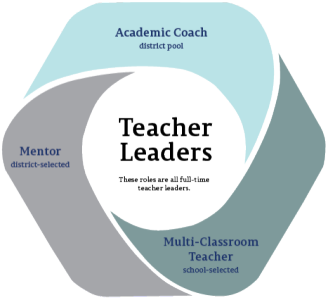
Roles and Responsibilities
- Academic Coach
- Multi-Classroom Teacher
- Mentor
Cost and Sustainability
Metro Nashville Public Schools has developed a model for a differentiated pay plan that includes a lump sum of monies allocated each year to supplement teacher leadership roles and development. Knowing that teacher leaders must perform at TEAM composite levels of 4 or 5, the pay plan addresses financial advancement and sustainability in several ways, not all related specifically to leadership roles in isolation, but also to individual school and district needs.