Duck River
Tennessee Scenic River - Class II Pastoral River Area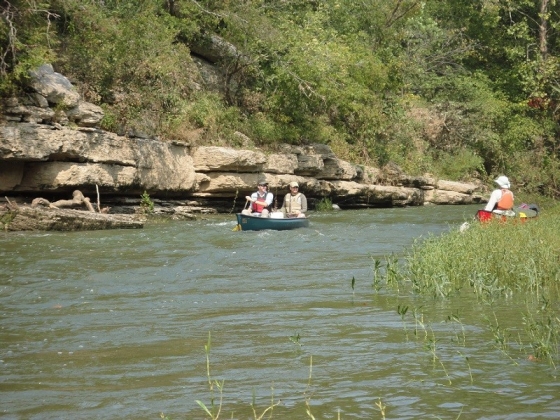
The Duck River is 284 miles long and is the longest river located entirely within the state of Tennessee. It originates in the “Barrens” on the Highland Rim in middle Tennessee and flows through seven middle Tennessee counties before reaching its confluence with the Tennessee River near New Johnsonville. The river is characteristic of long deep pools and shallow stretches of mini-rapids not to mention Normandy Dam and smaller drops. It’s boundaries include caves, cliffs, waterfalls, farmland, developed communities, two state parks and the Yanahli WMA. It supports more than 50 species of mussels, over 20 species of snails and more than 150 species of fish. The Duck River is one of the most biodiverse rivers in the U.S. with approximately 270.4 miles included in the scenic river program. Local outfitters rent canoes and kayaks and coordinate trips, including over-night camping trips. Personal craft can be launched from blueway access points and numerous TWRA boat launch areas. The Duck River is part of the Tennessee Blueways Program (BluewaysTN).
Quick Facts
- Located in Coffee, Bedford, Marshall, Maury, Hickman, and Humphreys counties
- Approximately 270.4 miles designated across two segments divided by the un-designated Normandy Reservoir
- First designated a Class II Pastoral River Area in 2011.
Designation History
- May 15, 2011: Designated a Class II Pastoral River Area for 37.3 miles as "That segment of the Duck River beginning at Iron Bridge Road at river mile 136.4 extending continuously to a point upstream to the boundary of Marshall County at river mile 173.7.
- April 24, 2023: Additional segment of approximately 31.1 miles designated a Class II Pastoral River as "That segment of the Duck River beginning at Industrial Park Road approximately at river mile 128 extending continuously to a point downstream to the boundary of Hickman County at approximately river mile 98 downstream from the Natchez Trace River Bridge."
- May 5, 2026: Designation amended by deleting the designations from 2011 and 2023 and defining as "The entire river except that segment of the river designated by the Tennessee Valley Authority as part of Normandy Reservoir."