Success Stories
American Rescue Plan (ARP)Middle Tennessee
Murfreesboro
$10,115,421
Wastewater Improvements
Murfreesboro used grant funding to support four projects aimed at improving wastewater capacity. The projects worked to reduce infiltration and inflow, which is extra water entering the sewer system through leaks and defects. Using a permanent flow monitoring system, problem areas were identified and targeted for repair to help restore system capacity.
Staff inspected sewer lines during wet weather to find damaged pipes and other defects. This information was used to complete trenchless repairs to large and small sewer lines, manholes, and service connections, as well as improve undersized pipes that restricted flow. The purpose of these projects is to reduce excess water in the system and improve overall performance.
Clarksville
$15,388,496
Wastewater Improvements
Clarksville’s Gas & Water Department produces biosolids as part of wastewater treatment. In the past, these materials were hauled to a landfill, which caused odor complaints and required many truck trips through the community. The wastewater treatment plant also needed upgrades to modernize its operations.
To address these issues, Clarksville used ARP funds to build a new thermal dryer at the treatment plant. This facility stabilizes biosolids and turns them into a safe, pelletized Class A product that can be used as fertilizer. The project modernized the plant, reduced truck traffic and odors, and turned waste into a useful product. Clarksville also completed an Asset Management Plan to meet state standards and improve long-term system planning.
Clifton
$21,678,645 (Combined funding from ARP, DWSRF, and DOC)
Drinking Water Improvements
The City of Clifton partnered with the Tennessee Department of Environment and Conservation (TDEC) on a first-of-its-kind clean water infrastructure project to serve this rural community. The project included a new 1.5 million gallon per day, fully modular water treatment plant that uses mixing and settling processes to treat water. The modular design allows the plant’s treatment capacity to be expanded over time as the community grows.
The project also included a new raw water intake to fix problems with the old intake and improve access. A new raw water pipeline, about 2,500 feet long, was built to carry water to the treatment plant site near W. Water Street. The project was supported by funding from the American Rescue Plan Act and the Drinking Water State Revolving Fund, with support from state and local leaders to ensure long-term benefits for Clifton residents.
Video link of TDEC & the City of Clifton break ground on state-funded modular water treatment plant
Williamson County
$674,962 (One of Several Williamson County Collaborative Projects)
Drinking Water Improvements
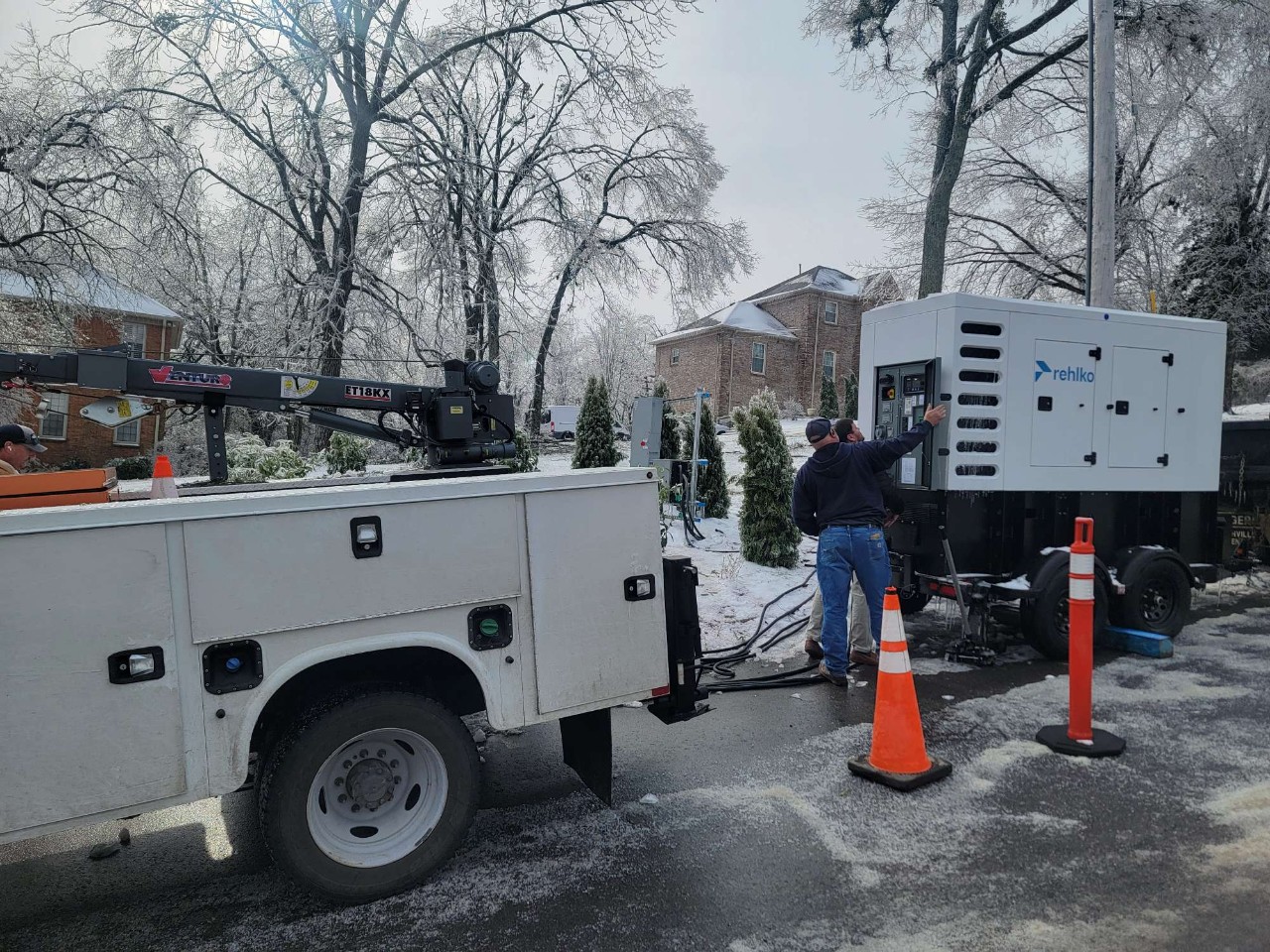
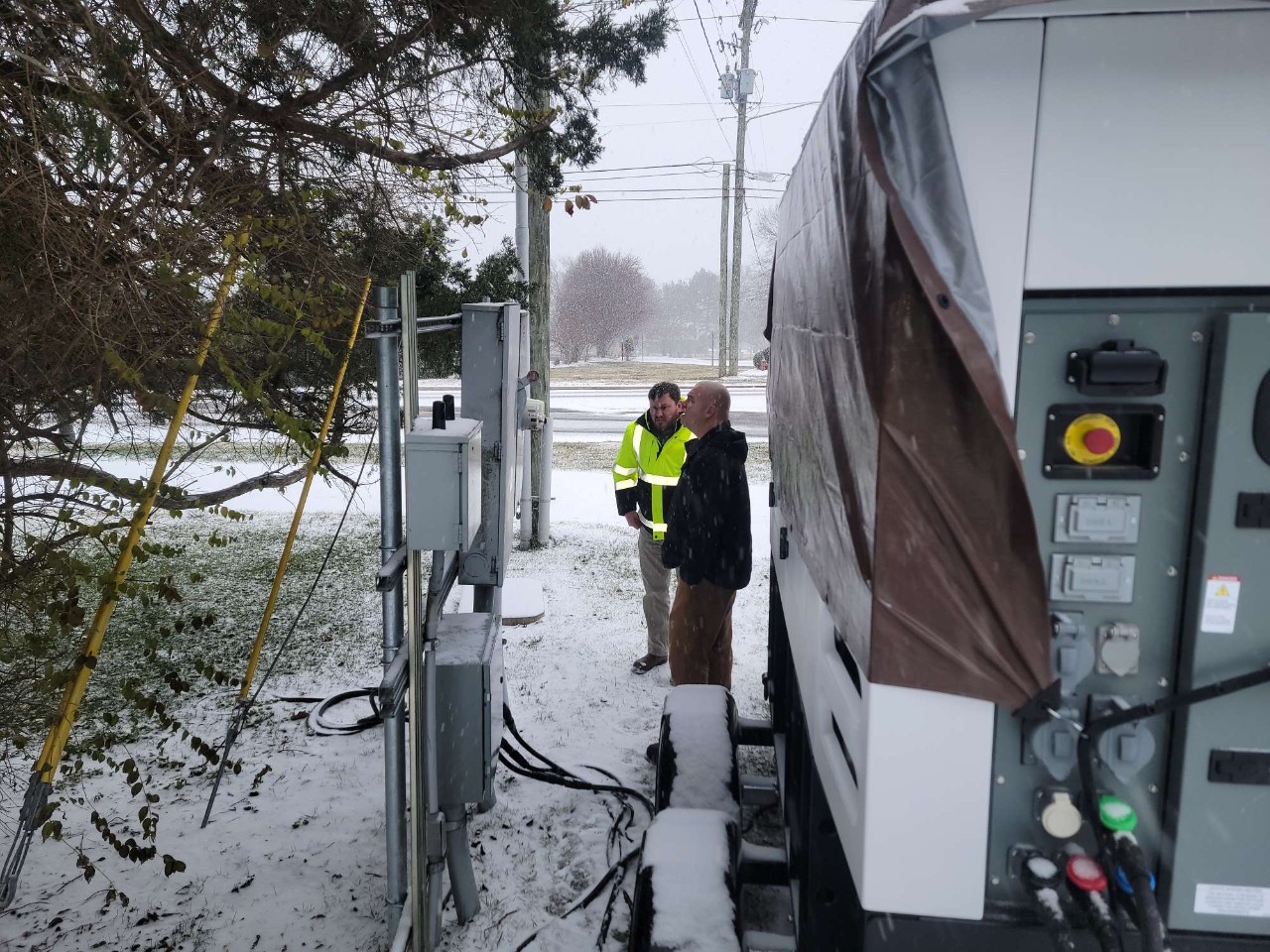
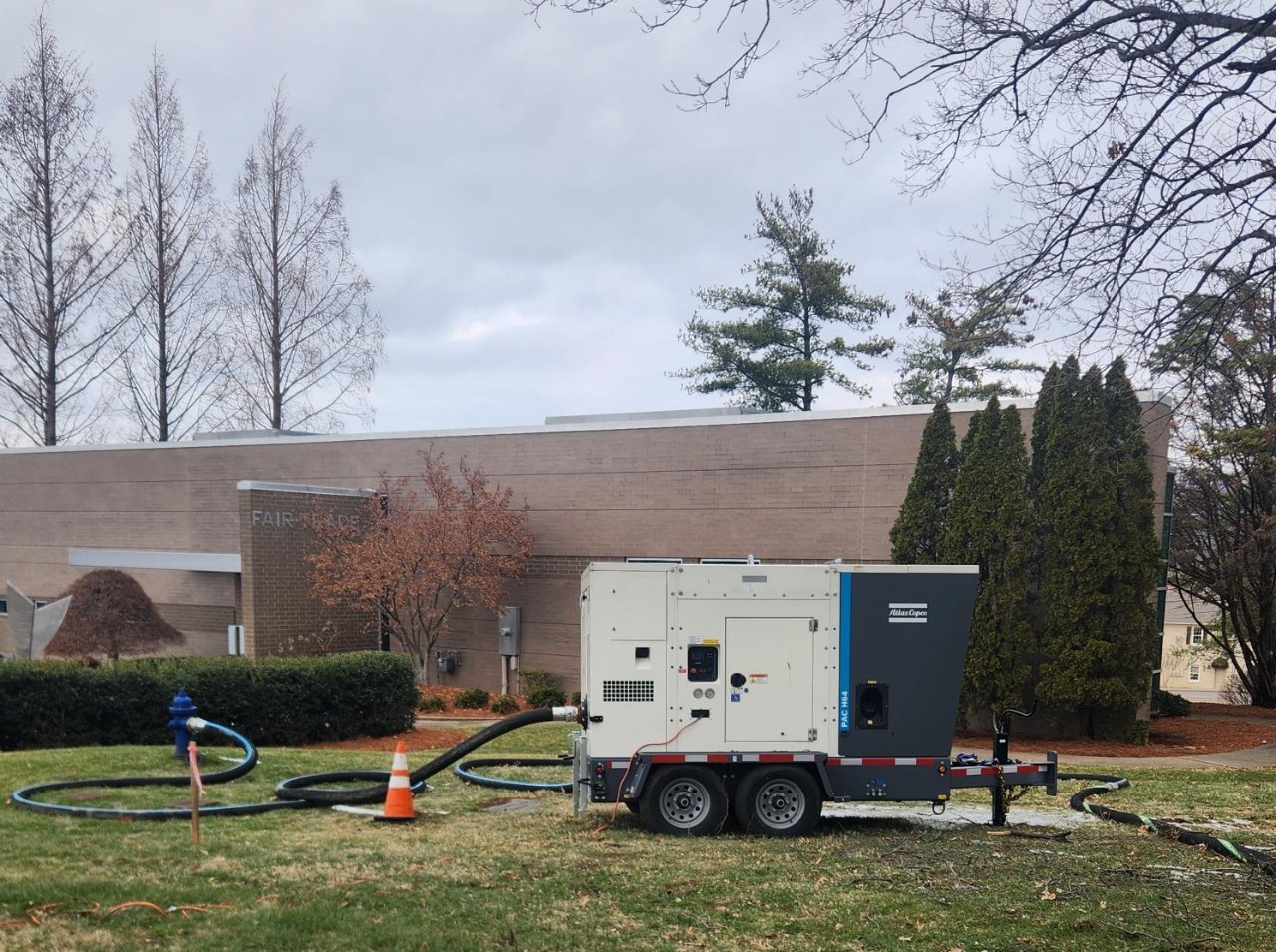
This project strengthened Brentwood’s water system by adding permanent and portable generators at key pump stations, along with electrical and SCADA upgrades to support reliable operations. These improvements helped ensure that water service could continue during extended power outages, reducing the likelihood of service interruptions for customers across the city.
Williamson County partnered with the City of Brentwood to use ARP funds for this resilience project. The investment proved critical during Ice Storm Fern in February 2026, when widespread power outages affected many of Brentwood’s facilities. Thanks to the generators and emergency equipment purchased through the grant, the city was able to maintain service and continue operating its system throughout the storm.
East Tennessee
Johnson City
$7,817,569.69
Wastewater Improvements
Completed January 2024
This project is the second phase of a multi-stage effort to replace the aging Lower Brush Creek Interceptor, a major sewer line that runs from downtown Johnson City to the Brush Creek Wastewater Treatment Plant. The interceptor plays a critical role in the city’s sanitary sewer system by carrying wastewater from downtown areas, including East Tennessee State University, Johnson City Medical Center, the Veterans Administration, and surrounding residential and commercial neighborhoods.
The original 30-inch sewer line, installed in the 1950s, has reached the end of its useful life and must be replaced to prevent failures and improve system reliability. The overall project will replace approximately 21,000 linear feet of pipe with a larger 42-inch diameter sewer line. This second contract focuses on replacing the final 7,600 feet of the interceptor that were not addressed in earlier projects.
Jonesboro
$1,005,596.51
Water Meter Replacement
Completed July 2023
The Town of Jonesborough used ARP funding to improve its water distribution system, with a strong focus on replacing outdated water meters. Many of the town’s water meters were more than 30 years old and are manually read, which can lead to inaccurate measurements and higher water loss.
By replacing these old meters with automatic meter reading (AMR) meters, the town can now collect more accurate water-use data through a drive-by reading system. This will help reduce water loss, increase the amount of water correctly billed, and improve overall system efficiency. The new meters will also save time and labor by reducing the need for manual meter readings, allowing staff to focus on other important maintenance tasks.
Maryville
$1,793,170.02
Waste Water Improvements
Completed May 2025
The 321 sewer basin rehabilitation project focuses on repairing and upgrading aging sewer lines and manholes. Work includes fixing pipes using several repair methods, replacing damaged sections, and reconnecting sewer services where needed.
These improvements reduce extra water from leaking into the sewer system during rain or groundwater flow. By replacing failing infrastructure, the project helps the sewer system
$1,185,057.87
Water Storage Tank
Completed June 2024
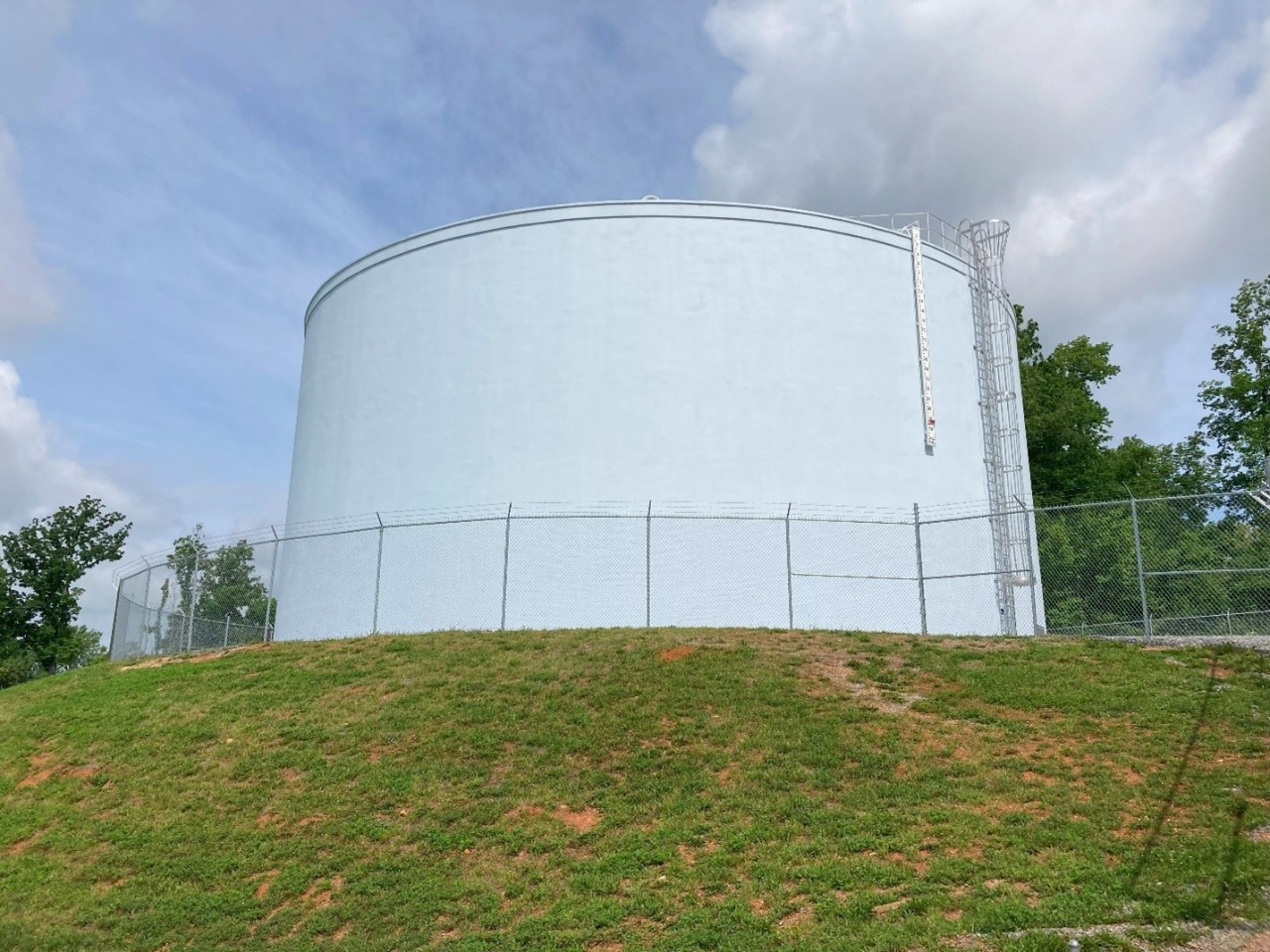
This project included the construction of a new water storage tank to improve the safety and reliability of the public water system. The tank helps protect public health by preventing harmful contaminants from entering the system, balancing water demand, and reducing pressure changes. It also provides emergency water supply during power outages, droughts, and other emergencies.
Oneida
$3,416,220
Drinking Water and Wastewater Improvements
The Town of Oneida ARP projects make important improvements to its water and wastewater systems to fix critical problems and better serve the community. These projects focus on increasing reliable water supply, reducing water loss, and addressing strain on the wastewater treatment plant. The needs were identified through a state infrastructure review, which showed issues with drinking water compliance, water loss from leaks, and limited wastewater capacity during heavy use.
The main proposed project will upgrade the existing water treatment plant by adding new treatment basins that improve water quality and reduce the amount of raw water needed from local lakes. These upgrades will help the Oneida stay in compliance with drinking water standards, especially during dry or drought conditions, and make the water system more efficient. At the same time, Oneida is continuing work to reduce sewer system leaks and improve overall system reliability for residents and businesses.
This Page Last Updated: July 1, 2026 at 10:14 AM