NeuroCAN: Helping Community Organizations Create Belonging
By Lauren Weaver, Vanderbilt TRIAD Director of Community Engagement and Associate Director of Behavior Analysis in EducationAbout the Author
Lauren Weaver is a Board Certified Behavior Analyst and works at TRIAD as a Director of Community Engagement and Associate Director of Behavior Analysis in Education. She strives to create opportunities where all people with and without developmental disabilities can belong and be involved in their communities.
TRIAD, the autism institute at the Vanderbilt Kennedy Center, has been supporting community cultural and civic organizations through its Community Engagement Program for more than 10 years.
The program promotes belonging and meaningful participation of all children and adults, with a focus on neurodivergence. Participating organizations are prominent arts, education, athletic, and community organizations that are interested in learning how to be a stronger and more reliable community for everyone.
The program has evolved over the years, from the Inclusion Network of Nashville to the All-Access Inclusion Network to the current Neurodiverse Community Access Network (NeuroCAN). What started as support for organizations in Middle Tennessee has grown to include a network of self-advocates and leaders from community organizations across the nation. The program has most recently expanded to create a library of resources and network of collaborators to support this work
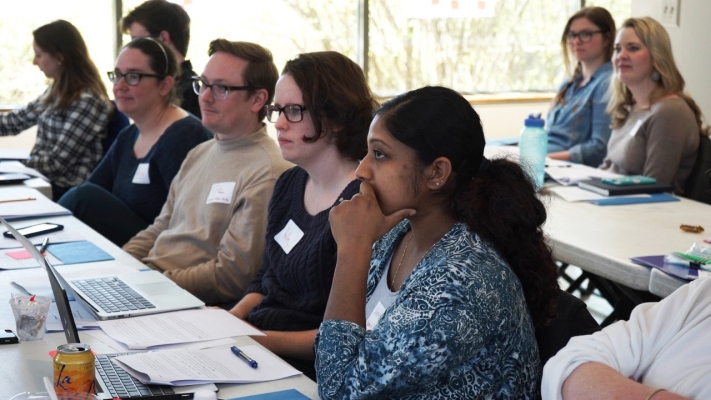
The program takes an ongoing, community-based approach to supporting organizations in becoming more accessible to neurodiverse individuals. Rather than offering a one-size-fits-all solution, TRIAD provides individualized, evidence-based support tailored to each organization’s unique needs. At its core, the program is committed to fostering cultural change within organizations – encouraging them to value neurodiverse individuals and recognize their contributions to the organization’s mission.
TRIAD’s community engagement program fosters sustainable, organization-wide change through research, building community capacity through collaboration, and tailored organizational support that promotes accessibility and belonging for neurodivergent people. All of this support is provided at no cost. This work is supported through gifts from community members and organizations. If you are interested in supporting this work, please visit our website here.
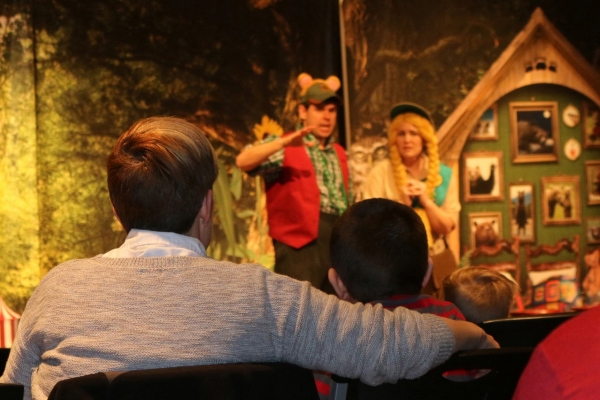
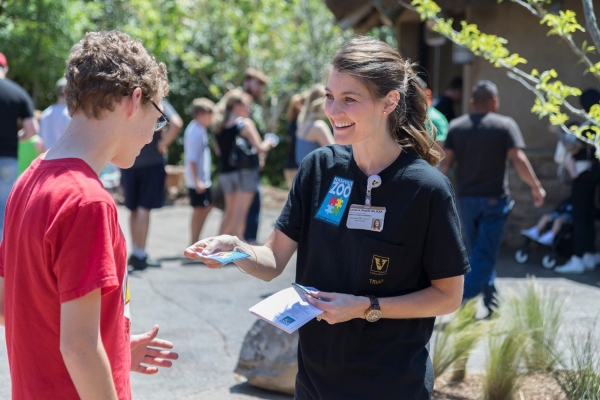
Recently, TRIAD completed a 4-year research project in collaboration with Oregon State University’s STEM Research Center and the Association for Zoos and Aquariums (AZA), with funding from the National Science Foundation. The project was entitled Modeling Zoos and Aquariums as Inclusive Communities of Science (MoZAICS). MoZAICS developed a research-informed framework, tools and strategic vision for zoo/aquarium practitioners and institutions to support autistic individuals across the full spectrum of the zoo/aquarium experience.
That includes the general visit; exhibits; programs and events; and volunteer, internship, and employment opportunities. The project will continue to create change across the zoo and aquarium field by expanding a network of early adopters to build a community of practice. The MoZAICS project represents one of the first of its kind to support autistic audiences at zoos and aquariums.
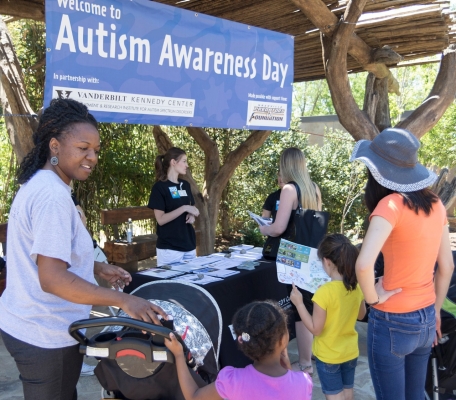
It is the first to look at the full experience of autistic patrons to zoos and aquariums across programs/events, exhibits, volunteering, internship, and employment opportunities. Access the project’s toolkit here. Organizations or individuals can connect with NeuroCAN through our library of live or recorded webinars or by joining us for a community of practice meeting. During the community of practice meetings, individuals can connect and share successes, barriers, or opportunities to collaborate. Through collaboration, organizations are building capacity and creating a larger impact for their work.
For organizations looking to partner with TRIAD for more tailored organizational support, please request support on our website. Our team is happy to partner with your organization. We can provide support through an evaluation of your organization’s existing supports, general accessibility, program-specific tools, and reviewing volunteer and employment supports.