30 Years of Impact: Tennessee’s Disability Scholarship Program
By Deana Claiborne, M.Ed., Executive Director, United Cerebral Palsy of Middle Tennessee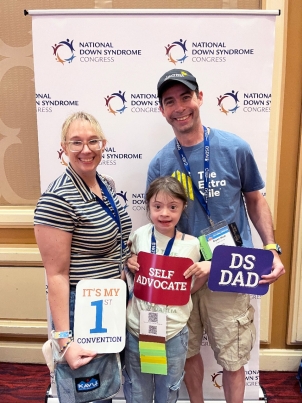
Early in the morning on July 27, 2025, the West family awakened and set out from their home in Cookeville, Tennessee, to catch a flight to Dallas, Texas. This was a trip the whole family had been looking forward to, but it was not a vacation.
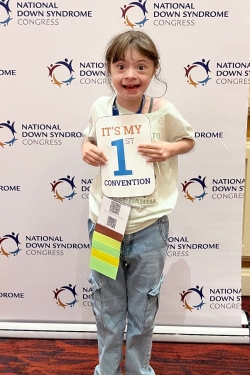
It was a learning experience for the entire family. Bryan, Julie, and their daughter Clara Elizabeth were on their way to the National Down Syndrome Congress 2025. This would be a week jam-packed with information about Down syndrome, the condition Clara was born with, caused by an extra copy of chromosome 21.
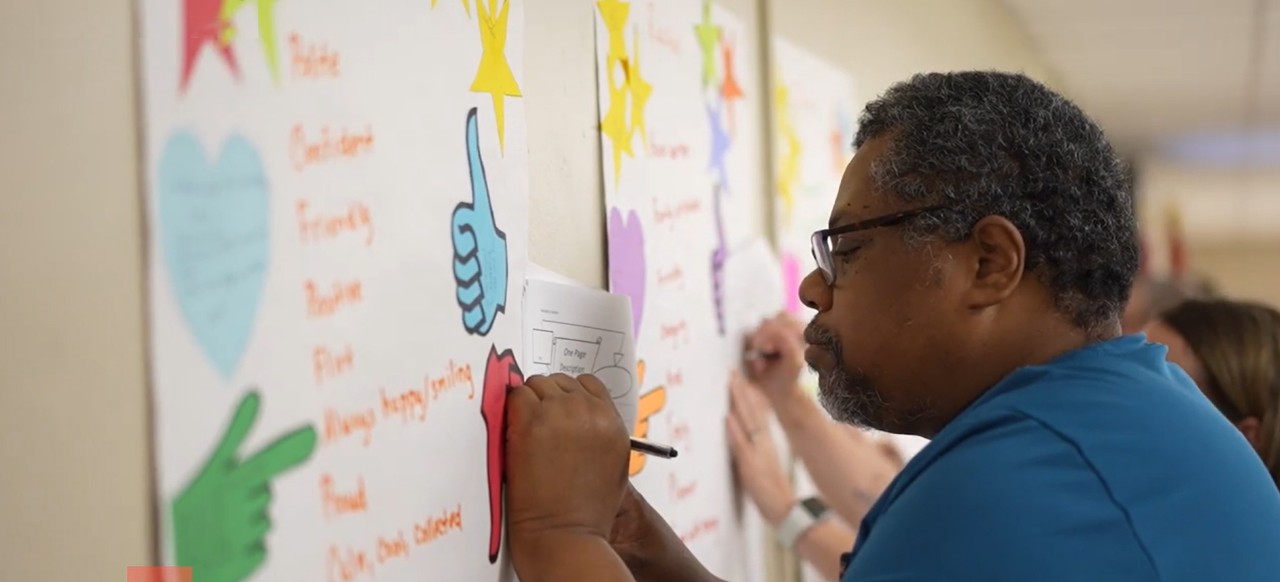
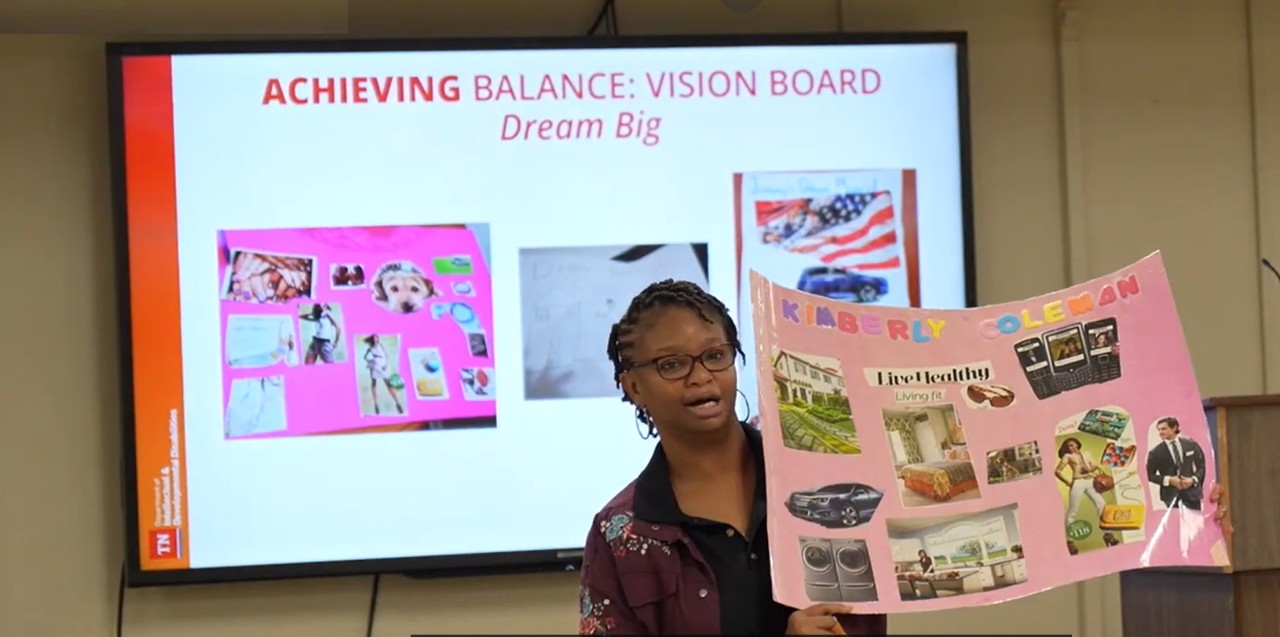
That same week, in local communities across the state, groups of volunteers and participant leaders with many types of disabilities were setting up Tennessee AiM Workshops. AiM, or Advocates in Motion, is a one-day intensive workshop.
Individuals with disabilities are trained and equipped with the tools, skills, and confidence to speak up, make choices, and take greater control of their own lives. In the first quarter of 2025, AiM workshops reached 55 Tennesseans with disabilities.
These, and many other educational opportunities for people with all types of disabilities throughout Tennessee, are supported by the Scholarship Program, a joint project of the Tennessee Council on Developmental Disabilities and United Cerebral Palsy of Middle Tennessee (UCP).
Errol L. Elshtain, retired Director of Development with the Tennessee Council on Developmental Disabilities, was instrumental in developing the Scholarship Program. Elshtain is a parent of a young woman with a developmental disability. He started his career in disability services and advocacy in 1990, when he was appointed to the Council by Tennessee Governor Ned McWherter.
He later joined the Council staff. Errol assessed disability-related community needs and found cost-efficient ways for the Council to address these needs. That usually happened through collaboration and partnerships throughout the state.
Many requests for financial help to attend disability-focused meetings and conventions were landing on Errol’s desk, but the Council had no formal program to help these families. “At the Council meetings, members were regularly talking about the need for people to be able to learn about specific disabilities, new research and practices,” Errol says.
“But most importantly, [people needed] to be able to meet and talk to other people who had lived or were living through similar experiences. Many families and individuals did not have the financial means to travel or pay the fees associated with such meetings and conventions. The solution was to create a program to assist families and individuals with travel and fees.”
Errol reached out to UCP on behalf of the Council, and the Tennessee Scholarship Program was created in 1995-1996. “This was unlike any of the other Council grants, which required milestones and objectives, and reports on how these were or were not being met,” Errol says.
“The Council was relying on families and individuals to define their own initiatives.”
This year – fiscal year 2025-26 – marks the 30th year that the Council Scholarship Program has operated in partnership with UCP. Since its start, the fund has distributed more than a million dollars in small grants to Tennesseans with disabilities and their families. The grants help cover the costs of conferences, workshops, and trainings.
One of the early services offered by the program was funding for parents and family members to attend educational events sponsored by the Parent-Guardian Association of Clover Bottom Developmental Center. (Clover Bottom was one of Tennessee’s institutions for people with disabilities.)
The activities of this group helped change Tennessee’s residential services for people with disabilities, which are now offered in the community instead of institutions. The Scholarship Program’s focus is to ensure that Tennesseans with disabilities have an opportunity to learn about their own disabilities.
The program has operated successfully with the support of many different governor’s administrations. Since Errol’s retirement, the role of Council lead for the Scholarship Program was passed on to Alicia Cone and now to Blake Shearer, Director of Leadership Development at the Council.
In 2025, UCP took on a greater role with the program, appointing Claressa Ham as Director of the Scholarship Program. UCP also created a Scholarship Allocations Committee to review and make funding decisions for the increasing number of applications the program is now receiving. Claressa is a former employee of the Rutherford County school system and a Middle Tennessee State University graduate. She is also the parent of a child with autism.
“Our goal is to reach out to Tennesseans with disabilities, as well as parents of children with disabilities, to let them know the program is available to them,” Claressa says.
“We know the Scholarship Program has been a lifeline for many parents who just needed a little financial assistance to access education about their child’s disability. Children with disabilities don’t come with an operating manual. As a parent, you have to become an expert on topics you never even heard of, and the direction of your entire life changes in an instant. This program can jumpstart connections with a whole new community of information and supports for you and your child.”
Adults with disabilities have taken advantage of the Scholarship Program to advance their own knowledge and skills. Recent participants have attended the National Federation of the Blind Annual Conference and the Chattanooga Autism Conference. One recently approved applicant is attending training about the Americans with Disabilities Act. On her application, she stated, “I want to learn more about the ADA so I can advocate in my community.”
As learning opportunities have evolved over the years, so has the program. Some people have applied to attend online trainings, which can be both practical and cost-effective. UCP also is reaching out to people who have participated in the program to get input on how best to use the limited funds each year.
One challenge is finding the right balance between new and returning applicants. Funds to returning applicants can help them build on the knowledge and skills they are already bringing back to the community. Funds to new applicants can open the door wider for more people to benefit from the program.
The Scholarship Program is open to Tennesseans with all types of disabilities. “Your allocation may not cover the entire cost of travel and fees, but it will significantly offset expenses, hopefully making it a more affordable experience,” Claressa says. “The best time to apply is in the spring before the new fiscal year starts on July 1.
This is when the most funds are available for allocation. There are still some limited funds for fiscal year 25-26, so if you have an activity you would like to attend prior to June 30, 2025, you should apply immediately.”
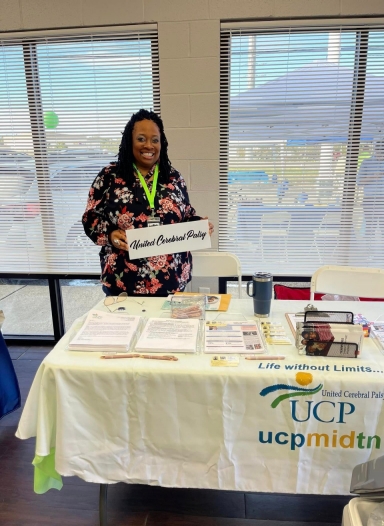
As for the West family, their experience at the National Down Syndrome Congress was better than they ever imagined.
Mom Julie West says,
"We were able to attend workshops where we learned about how to advocate effectively, sensory issues, puberty, and many more topics. We were able to participate in a research study to help better understand our loved ones with Down syndrome.
My daughter was able to attend her own workshops while we were in sessions. We gained a wealth of knowledge, made new friends, and made many memories that will last a lifetime. To be with parents that understand and have shared similar experiences, to watch my child interact with her peers, and ultimately grow into herself makes this mama’s heart explode with joy.
We laughed and cried all week, but most importantly, we celebrated."
To learn more about the Tennessee Disability Scholarship Program, click here.