Section 106 Proposed Revisions
Overview
The Advisory Council on Historic Preservation (ACHP) is advancing a massive rewrite to the regulations implementing Section 106 of the National Historic Preservation Act. The current Section 106 regulations ensure that effects to historic resources are considered during federal projects. This process is collaborative and brings state and local governments, tribes, and the public to the table to have a voice to advocate for OUR historic sites. The proposed new regulations eliminate local, public, and tribal involvement and severely limit state participation. The new regulations also severely limit the types of historic resources that will be considered during federal projects.
The current regulations do not stop projects, but they do provide the opportunity for meaningful consultation and consideration of historic resources. The new regulations eliminate that opportunity. While our office supports thoughtful improvements to the current regulations to aid in greater efficiency to the Section 106 process, the proposed new regulations will cause greater confusion at the expense of our state’s cultural resources. Tennessee is a state with a wealth of historic sites that contribute directly to our state identity, generate tourism, and provide citizens with immense state and local pride. Tennesseans deserve a say in what happens to our historic sites.
What you can do:
- Write to your Governor to share how these changes impact historic properties in your location.
- Write to your members of Congress to share how these changes impact historic properties in your location.
- Be prepared to send comments when the comment period opens after ACHP publishes a Notice of Proposed Rulemaking in the Federal Register. We will post with updates on this to let you know when to submit comments.
- Stay informed on the latest developments by following us and other preservation organizations
For more information from other preservation organizations:
Who is not at the table
- State Government: While the TN State Historic Preservation Office still has a role, it will be significantly modified. Our expertise on TN history and archaeology will not be incorporated to help identify important historic sites and protect and/or document them.
- Local Governments: Local governments will be completely excluded from the consultative process and have no input in federal projects in their municipalities.
- The Public: Citizens throughout the state will no longer be able to provide information or advocate for historic sites important to their communities.
- Tribes: Indian tribes will no longer be able to provide expertise or input on sites significant to their communities.
Cultural Landscapes that May No Longer be Considered
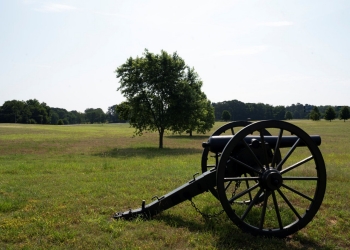
- Battlefields
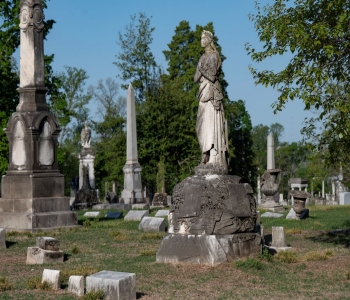
- Cemeteries
- Rural Historic Districts
- Large Urgan Historic Districts
- State and National Parks
- Significant Tribal Sites and Landscapes
Against Tennessee Government Priorities
The State of Tennessee has shown a commitment to the protection of historic resources in the state by creating and supporting preservation agencies and programs in state government. The new regulations directly threaten these priorities and programs:
- State Parks
- State Historic Sites
- Cemetery Preservation Program
- Tennessee Wars Commission
Tourism
Tennessee’s history and historic sites are a key component of the state’s heritage tourism industry. From prehistoric sites, to early statehood, antebellum, Civil War, progressive farming, CCC & WPA, TVA, Manhattan Project, Civil Rights, and beyond, Tennessee has important stories to tell. In the last year alone, 3 new state parks were created for their archaeological and historical significance showing a desire for tourism at such sites.
Section 106 Success Stories
The current Section 106 regulations outline a collaborative and consultative process to ensure federal agencies consider the effects of their projects to historic resources. They allow for a balance between progress and preservation that has been successful for the past 60 years. Success does not always mean every historic site is preserved. Instead, success can be seen in the avoidance of adverse effects to historic resources, the physical preservation of historic sites, identification of historic properties, minimization of effects to historic resources, documentation of historic sites when they will be adversely affected, and the documentation and interpretation of Tennessee’s history for future generations.
Currently our staff has a response time of four days or less, with around 1% of projects requiring additional consultation for adverse effects.
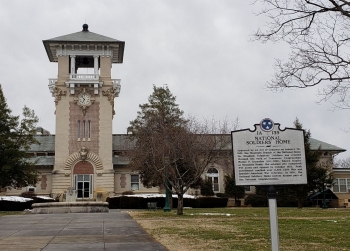
The Mountain Branch, National Home for Disabled Volunteer Soldiers is located in Johnson City. It is a National Historic Landmark and an active Veterans Affairs hospital. By participating in early Section 106 consultation through with our office, they have balanced modern functionality with historic preservation in several of their historic buildings.
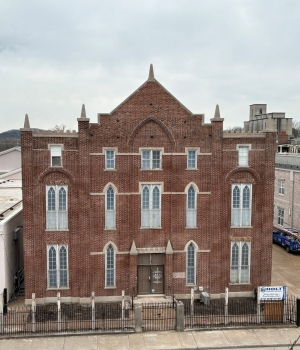
The Franklin Historic District in Williamson County was adversely affected by a large development project. Through consultation with our office, the public, the City of Franklin, and the Hiram Lodge No. 7, several mitigation treatments were decided. This included an interpretive panel, vibration monitoring for surrounding historic buildings, and most notably, money that went directly to preservation work at the Hiram Masonic Lodge, a National Historic Landmark.
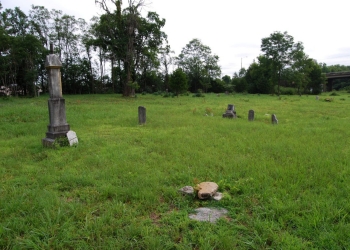
The Benevolent Cemetery in Rutherford County was determined historic during a bridge replacement project. Once the community discovered our office had determined the cemetery to be a historic property, they pursued a National Register nomination. The historic African American cemetery, associated with the Benevolent Lodge No. 7 and Benevolent Society, was listed just a few years after its identification as a historic property, preserving its history forever.
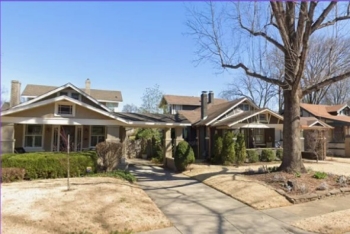
The City of Memphis receives Department of Housing and Urban Development funds for weatherization, lead abatement, and renovation projects at homes across Memphis. Memphis has a variety of residential historic districts. Through Section 106 consultation, Memphis completes many projects successfully while maintaining the character of its historic neighborhoods.
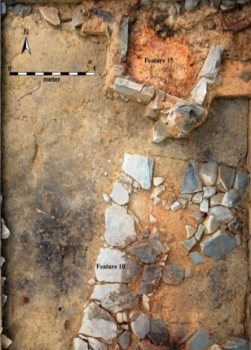
Fort Armistead is a National Historic Landmark (NHL), and the application for the NHL status was mitigation for a Section 106 adverse effect. An important archaeological site associated with the Trail of Tears, the recognition and designation of Fort Armistead aids in protecting the site for future investigation and interpretation. Tribal participation during the Section 106 consultation was instrumental throughout the compliance process.
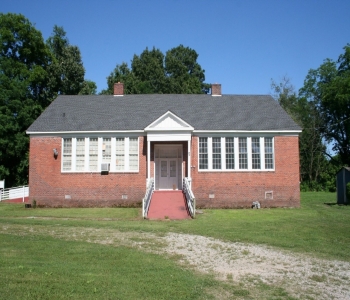
The Stanton School, a historically African American school in Haywood County, was originally identified as a historic resource through Section 106 consultation for a Federal Highway Administration road project. The research discovered through this process aided in the property being listed in the National Register of Historic Places. The Stanton School has since received preservation grants because of its listing in the National Register.
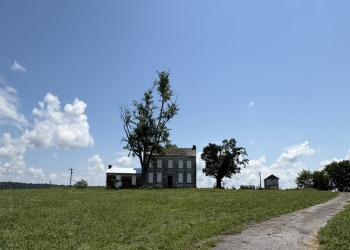
The Lakeway Landfill Expansion threatened to destroy the National Register-listed Rural Mount in Hamblen County. Early consultation ensured adverse effects were avoided, including to an unmarked cemetery. Project participants developed appropriate mitigation which minimized effects to Rural Mount, including vegetative screening and a protective covenant to preserve the historic house in perpetuity.
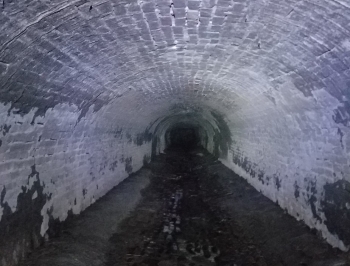
A former fire station in Memphis received Federal Emergency Management Agency (FEMA) funds for the seismic retrofit of their building and associated work. This work included removing a 120+ year old culvert underneath the building. It was discovered through consultation that the Tanyard Bayou concrete and brick arched culvert was constructed to improve Tanyard Bayou’s drainage and divert water away from the Memphis & Charleston Railroad yards. Through consultation with FEMA, it was determined to be historic. To mitigate the culvert’s destruction, FEMA photo-documented it and prepared a historic context report, which provides important information on the history of water and sewage drainage infrastructure in Memphis.