Local Government Assistance
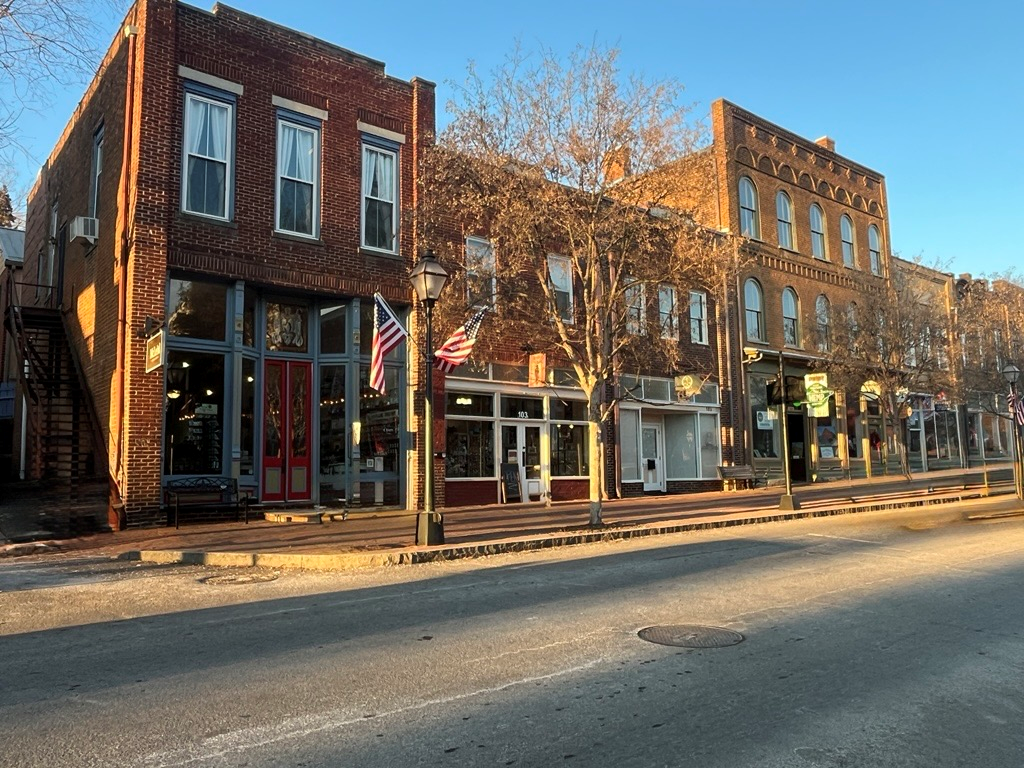
The Tennessee Historical Commission (THC) assists local communities who have established or wish to establish local historic preservation programs. The Local Government coordinator can provide assistance in writing historic zoning ordinances, conducting public meetings, establishing historic districts and design guidelines, and in becoming a Certified Local Government (CLG).
Certified Local Government Program
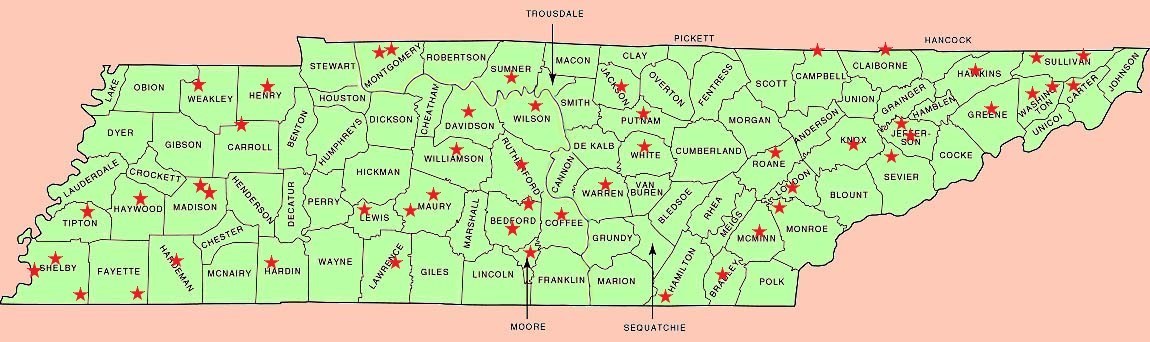
Check out our interactive map of Tennessee's CLGs and Main Streets.
Across the nation, hundreds of communities have taken action to preserve their unique historic character through the passing of historic preservation ordinances and the creation of historic zoning commissions and design review. The CLG program was established through 1980 and 1992 amendments to the National Historic Preservation Act, and has become a cost-effective local, state, and federal partnership. The CLG Program has been a major source of support and guidance for local communities for over twenty years. This program provides technical assistance and grants to local governments who are committed to protecting their historic and architectural heritage for future generations.
To become a CLG, the local government must:
- have enacted a historic zoning ordinance, in compliance with the state enabling legislation, to protect historic districts and/or landmarks;
- enforce that ordinance through design review by a qualified historic zoning commission (also called a board of architectural review or historic preservation commission);
- maintain a system for the survey and inventory of historic properties;
- provide for adequate public participation in the local preservation program;
- satisfactorily perform the responsibilities delegated to it under the National Historic Preservation Act, as amended.
Local governments can benefit from becoming a CLG in many ways. CLGs receive priority in technical assistance and services from the THC. Training sessions for historic zoning commissioners are held on-site at the request of the CLG. Special networking meetings are held for CLG staff and historic zoning commissioners to discuss issues in historic zoning and historic preservation. The THC is also required to allocate at least 10% of the Historic Preservation Fund Grants to the CLGs; thus, CLGs receive priority status in grant funding available.
As of May 2025, Tennessee has 51 CLGs. You can read more about the history of our CLG program in the Winter 2022 issue of the Courier. These communities have benefited from their participation as CLGs through the technical assistance, training, and networking opportunities provided by the THC, and through the grants they have received. CLG grants in Tennessee have funded a number of diverse projects, such as:
- Preservation Plans
- Design Guidelines
- Survey of Historic Properties
- Bricks and Mortar
- Preservation Education projects, such as brochures
- Training for historic zoning commissioners
CLG FAQ
If you would like to know more about the CLG program or have additional questions about the CLG process, please check out our FAQ.
The CLG Program in Tennessee assists local communities who have established or wish to establish local historic preservation programs. Additionally, CLGs have priority access to the Historic Preservation Fund, and these grants can be used to prioritize preservation within the CLG’s communities.
- Strengthen public trust and guide development within districts while establishing sources of revenue within the community, such as tourism
- Opportunities for technical assistance and educational opportunities from the Tennessee Historical Commission
- Survey assistance from THC staff
- Application priority for federal Historic Preservation Fund (HPF) grants administered by THC
- Opportunity to review nominations for the National Register of Historic Places before consideration by the State Review Board
To become a CLG, local governments must make a commitment to historic preservation through the establishment of a historic zoning ordinance/overlay at the time of the application. The ordinance must establish a historic commission with jurisdiction within its boundaries.
- Enact a historic preservation ordinance
- Establish a commission to oversee and enforce the ordinance
- Craft detailed design guidelines
No. Communities, both large and small, can become a Certified Local Government.
No, it cost nothing!
The National Register of Historic Places is the nation’s list of cultural resources considered worthy of preservation. As a CLG, you can review National Register nominations within your jurisdiction. The National Register page has information about the program and the listing process.
Federal Historic Preservation Fund (HPF) grants are matching grants and will reimburse up to 60% of the costs of approved costs for projects with a public benefit. The remaining 40% must be provided by the grantee as matching funds. These grants can be used for preservation plans, architectural surveys, National Register nominations, and restoration of buildings listed in the National Register.
If your community wants to become a CLG, please get in touch with the Certified Local Government Coordinator at the contact information below. There are no deadlines, and applications are accepted on a rolling basis. The application process takes between three to four months from start to certification.
Newsletter
Sign up for the monthly CLG newsletter. The CLG newsletter includes preservation tips, news, and announcements on training opportunities. It’s a great resource for anyone currently serving on a historic zoning commission as well as any community still contemplating historic zoning. While the National Register helps us designate certain places as worthy of preservation, historic zoning offers real teeth and protection by giving local review boards the power to approve or deny changes to historic properties.
Historic Zoning in Tennessee
The state enabling legislation for historic zoning in Tennessee is found in Tennessee Code Annotated, Title 13, Chapter 7, Part 4. In part, this legislation permits towns, cities, and counties to create an overlay zoning that regulates the "construction, repair, alteration, rehabilitation, relocation, and demolition of any building or other structure which is located or proposed to be located within the boundaries of any historic district or zone." This legislation also calls for the creation of historic zoning commissions of five to nine persons to review applications, based upon design guidelines created for the historic district.
| Contact |
|---|
| Stevie Malenowski thc.clg@tn.gov (615) 710-3053 |