Tennessee Women, Infants & Children (WIC) Program
The Tennessee WIC Program provides supplemental food assistance and nutrition education to income-eligible pregnant, postpartum, and breastfeeding women, infants, and children until age five. The program also provides breastfeeding support and referrals to other health-related and community-based services.About WIC
The Special Supplemental Nutrition Program for Women, Infants, and Children (WIC) is a federally-funded program designed to provide supplemental food assistance and nutrition education to income-eligible pregnant, postpartum, and breastfeeding women, infants, and children until age five. In addition to providing healthy supplemental foods, nutrition education, and breastfeeding support, the program also provides referrals to other health-related and community-based services. WIC has proven to be effective in preventing and improving nutrition-related health problems.
To learn more, view the Tennessee WIC One-pager (PDF) (2023).
The WIC Program is funded through the United States Department of Agriculture (USDA). WIC services are provided through the Tennessee Department of Health in 126 county health departments, stand-alone clinics, and hospital sites throughout the state. The program serves about 111,000 eligible participants each month. Participants must be Tennessee residents, meet the gross income guidelines, and be determined to be at nutritional or medical risk.
For more information, to apply for WIC, schedule an appointment, or get help with your WIC card or benefits, contact your local WIC clinic or call 1-800-DIAL-WIC (1-800-342-5942). If you are trying to make a WIC appointment in Shelby County, please call (901) 222-9980 or email schd.callcenter@shelbycountytn.gov.
Please let us know if you have difficulty understanding English or have a disability. Free language assistance or other aids and services are available upon request. Individuals with disabilities who need communication assistance may also call 711 or 800-848-0299 for English and 866-503-0263 for Spanish for assistance contacting us.
Nondiscrimination Information
- Read the Nondiscrimination Statement (English)
- Aviso de No Discriminación (Español)
- Civil Rights Policies and Guidelines: How to File a Complaint (English)
- Políticas y Pautas de Derechos Civiles: Cómo Presentar una Queja (Español)
Contact for Special Accommodations
For special accommodations, contact:
Luvenia Harrison, ADA Coordinator / Civil Rights Compliance Officer / LEP Coordinator
Email: Luvenia.Harrison@tn.gov | Phone: (615) 741-9421
Additional Resources
WIC Data and Statistics
Early Childhood Obesity and Overweight
Overweight or obesity is defined as an excessively high body weight relative to height. Body mass index (or BMI) is a measure used to compare weight to height. In children, BMI is compared to children of the same age and sex, using CDC growth charts to determine the BMI percentile-for-age and sex.
Children who have obesity are at a higher risk of: Type 2 Diabetes, breathing problems (such as asthma or sleep apnea), and having obesity as an adult.
A child is classified as obese, overweight, normal or healthy weight, or underweight.
- Obese (BMI above 95th percentile)
- Overweight (BMI above 85th percentile but below 95th percentile)
- Normal or Healthy Weight (BMI above 5th percentile but below 85th percentile)
- Underweight (BMI below 5th percentile)
Obesity Rates Among WIC Children, Aged 2-4 Years
The WIC program provides nutritious food, education, and services to about 4 million children under the age of 5. WIC services have been shown to promote healthy weight and nutritionally balanced diets for their child participants.
According to the most recent State of Childhood Obesity published by the Robert Wood Johnson Foundation (RWJF), the rate of obesity among children aged 2 to 4 years enrolled in WIC has declined.
In 2018, 14.4% of 2 to 4 year WIC children had obesity, down from 15.9% in 2010. State obesity rates ranged from 8.5% to 20.2%.
Early Childhood Overweight and Obesity Among WIC Children
In 2021, about 1 in 3 (31.9%) children aged 2 to 4 enrolled in Tennessee WIC were considered to be overweight or obese. In 2021, 19.7% of WIC children had a BMI above the 95th percentile, compared to 18.4% in 2020.
Higher obesity rates were noted for:
- Boys (20.4%) vs. girls (19.0%)
- 3-year-olds (21.7%) compared with 2-year-olds (19.4%) and 4-year-olds (17.9%)
- White children (20.2%) compared with Black children (18.3%) and children of other races (16.8%)
Obesity rates exceeded the state rate in 41 counties, and county-level obesity rates ranged from 7.1 percent to 41.3 percent. Between 2017 and 2021, there was no statistically significant change in obesity among Tennessee WIC child participants.
WIC Overweight and Obesity County-Level Estimate Table
The table below contains county-level estimates for Tennessee WIC children aged 2 to 4 years. Use the box below to search for your county.
Note: Estimates were suppressed for counties with small numbers and are denoted with "--".
| Location | WIC Children Overweight (%) | WIC Children Obese (%) |
|---|
Methods
Tennessee monitors overweight and obesity rates among children enrolled in the WIC program. All rates are calculated using the WIC Data System and is based on a similar methodology used by the Centers for Disease Control and Prevention’s Pediatric Nutrition Surveillance System (PedNSS), which was discontinued in 2012.
Note: Estimates for 2021 were likely impacted by WIC COVID-19 Key Flexibilities Waivers (e.g. Physical Presence Waiver) granted by USDA Food and Nutrition Services. In 2016, CDC modified the cut points for biologically implausible values (BIVs). These changes did not affect the calculation of percentiles or subsequent calculation of overweight or obesity.
Additional Resources
External links and accessibility notice:
Some of the resources listed below link to external websites not managed by the Tennessee Department of Health (TDH). TDH is not responsible for the content, accessibility, or privacy practices of these external sites.
Weight-for-Length Trends Among WIC Infants – Pediatrics, 2017 – Research study on growth trends in WIC infants.
Tennessee Breastfeeding Resources – State resources and support for breastfeeding families.
Healthy Parks, Healthy Person – Information on healthy outdoor activities and wellness programs.
References
CDC – Childhood Obesity: Causes & Consequences – Information from the Centers for Disease Control and Prevention on factors contributing to childhood obesity and related outcomes.
RWJF – Obesity Among WIC Participants Aged 2-4 Years, 2010-2018 – Research from the Robert Wood Johnson Foundation on obesity trends in young WIC participants.
Income Guidelines
Income Eligibility for the Tennessee WIC Program
Income eligibility for the Tennessee WIC Program is uniform statewide. WIC eligibility is determined by a Public Health Office Assistant (PHOA) or clerk in the local health department.**
A participant’s household gross income must be equal to or less than 185% of the Federal Poverty Level (FPL). The WIC Income Eligibility Guidelines for July 1, 2025, through June 30, 2026, are provided in the table below.
You can also download the guidelines using the links below:
- Download WIC Income Eligibility Guidelines – English (PDF)
- Download WIC Income Eligibility Guidelines – Spanish (PDF)
**Do not allow hardship deductions from the above income poverty guidelines. A standard deduction has already been included in all of the income levels shown.
WIC Income Eligibility Criteria for 2025-2026
Family Size |
Annual |
Monthly |
Twice Monthly |
Bi-Weekly |
Weekly |
|---|---|---|---|---|---|
| 1 | $28,953 | $2,413 | $1,207 | $1,114 | $557 |
| 2 | $39,128 | $3,261 | $1,631 | $1,505 | $753 |
| 3 | $49,303 | $4,109 | $2,055 | $1,897 | $949 |
| 4 | $59,478 | $4,957 | $2,479 | $2,288 | $1,144 |
| 5 | $69,653 | $5,805 | $2,903 | $2,679 | $1,340 |
| 6 | $79,828 | $6,653 | $3,327 | $3,071 | $1,536 |
| 7 | $90,003 | $7,501 | $3,751 | $3,462 | $1,731 |
| 8 | $100,178 | $8,349 | $4,175 | $3,853 | $1,927 |
| 9 | $110,353 | $9,197 | $4,599 | $4,245 | $2,123 |
| 10 | $120,528 | $10,044 | $5,022 | $4,636 | $2,318 |
| 11 | $130,703 | $10,892 | $5,446 | $5,028 | $2,514 |
| 12 | $140,878 | $11,740 | $5,870 | $5,419 | $2,710 |
| 13 | $151,053 | $12,588 | $6,294 | $5,810 | $2,905 |
| 14 | $161,228 | $13,436 | $6,718 | $6,202 | $3,101 |
| 15 | $171,403 | $14,284 | $7,142 | $6,593 | $3,297 |
| 16 | $181,578 | $15,132 | $7,566 | $6,984 | $3,492 |
| Each Additional Member Add | +$10,175 | +$848 | +$424 | +$392 | +$196 |
Adjunctive Eligibility
Adjunctive Eligibility allows WIC applicants to be automatically income-eligible for WIC if they show proof of participation in any of the following programs:
- Supplemental Nutrition Assistance Program (SNAP)
- Temporary Assistance for Needy Families (TANF/Families First)
- Tennessee Medicaid (TennCare)
WIC Prescreening Tool
Wondering if you may qualify for WIC? The USDA’s WIC PreScreening Tool can help you determine whether you are potentially eligible to receive WIC benefits.
Note: This PreScreening Tool is not an application for WIC benefits. If you believe you may qualify, please contact your local WIC clinic or call 1-800-DIAL-WIC (1-800-342-5942) to begin the application process.
WIC Clinics
Do you need a WIC appointment? Scroll down to find your clinic's number using the list below.
To find the nearest WIC clinic, select your county or city from the dropdown, or you can use the search box to quickly search for the nearest WIC clinic by:
- County
- Health Department of Clinic Name
- Address
- City
- Zip Code
*Shelby County residents - if you are unable to reach your clinic, call the Shelby County Call Center at (901) 222-9980 or contact them by email to schd.callcenter@shelbycountytn.gov.
| County | Health Department or WIC Clinic | Address | City | Zip | Phone | Fax |
|---|
Tennessee eWIC (TNWIC) Overview
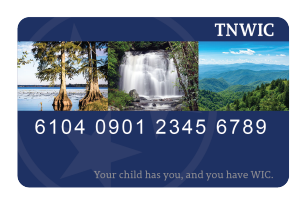
The Tennessee WIC Program now uses an electronic benefit transfer (EBT) system instead of paper vouchers. WIC food benefits are issued to an electronic benefit account, which families can access using a TNWIC card and PIN.
Families use their TNWIC card to buy WIC-approved foods at authorized grocery stores and select pharmacies. TNWIC is now available in all 95 Tennessee counties.
UPC Submission Requests
Since 2016, Tennessee WIC staff have collected Universal Product Codes (UPCs) for eligible WIC food items in participating grocery stores. These codes are stored in the Approved Product List (APL), which is updated at the store level so participants can purchase eligible foods.
Sometimes items may be missing, or new products may not yet be included in the APL. To request an addition, you can:
Tip: Review the UPC Submission Form first to gather the information you’ll need before submitting online.
If you have questions, contact:
Kelly Soliman
Phone: (615) 741-7218
Email: wic.upcrequest@tn.gov
Mail completed forms and documentation to:
WIC UPC Review
Tennessee Department of Health
Andrew Johnson Building, 8th Floor
710 James Robertson Parkway
Nashville, TN 37243
For Participants
Announcements
Beginning 10/1/25, the children and women food packages are changing. Please refer to the updated “WIC Foods by Participant Type” for more information. You can also view your benefit list on the WIC Shopper app.
Recall Notice: The FDA has issued a recall on certain Jif peanut butter products that may contain Salmonella, which can cause serious infection and illness. Check your pantries and discard recalled products:
Do you have or need a WIC appointment? Please call your local county health department for services. If you are trying to make a WIC appointment in Shelby County, call (901) 222-9980 or email schd.callcenter@shelbycountytn.gov. For general questions about the WIC program, call 1-800-DIAL-WIC (1-800-342-5942) or scroll down for more information.
Participant Information
The resources below will help you understand your WIC benefits, access approved foods and formulas, and find helpful nutrition information in English, Spanish, and Arabic.
WIC Approved Food List
Now that TNWIC has been implemented across the state, our “Approved WIC Foods” pamphlets have been updated! These pamphlets are now called the “Tennessee WIC Shopping Guide” and are available in English, Spanish, and Arabic. Previously, we had one list for women and children, and a separate one for infants. These are now combined into one guide. Please use the links below to download the new Shopping Guide in your preferred language:
Your WIC Benefits
You are one of the 130,000 participants who receive WIC-approved foods each month by redeeming WIC vouchers or WIC electronic benefits at more than 800 grocery stores and pharmacies across Tennessee. Select pharmacy locations also provide therapeutic formulas for infants, children, and adults with specific nutrition or medical needs.
WIC foods provide essential nutrients for growth and development. These include:
- Fruits and vegetables
- Whole grain foods
- Low-fat milk
- Cheese
- Eggs
- Peanut butter and dry beans
- Special foods such as soy beverages and tofu
The WIC supplemental foods are aligned with the Dietary Guidelines for Americans and the American Academy of Pediatrics’ infant feeding guidance.
Your local WIC clinic can provide you with a list of approved grocery stores and pharmacies in your area. Please refer to the WIC Approved Food Lists and WIC Food List, by Participant Type , below for a detailed list of WIC foods available to you.
WIC Foods by Participant Type
Download the WIC Food list for your participant category — available in your language as well.
- WIC Foods for Pregnant Women (effective October 1, 2025)
- WIC Foods for Non-Breastfeeding Mothers (effective October 1, 2025)
- WIC Foods for Fully Breastfeeding Mothers (effective October 1, 2025)
- WIC Foods for Partially Breastfeeding Mothers (effective October 1, 2025)
- WIC Foods for Infants (birth–11 months)
- WIC Foods for 1-Year-Old Child (12–23 months) (effective October 1, 2025)
- WIC Foods for Children Ages 2–4 Years (effective October 1, 2025)
- Alimentos de WIC para la Madre Embarazada (vigente a partir del 1 de octubre)
- Alimentos de WIC para la Madre No Lactante (vigente a partir del 1 de octubre)
- Alimentos de WIC para la Madre Amamantando Exclusivamente (vigente a partir del 1 de octubre)
- Alimentos de WIC para la Madre Amamantando Parcialmente (vigente a partir del 1 de octubre)
- Alimentos de WIC para Bebés: nacimiento a 11 meses
- Alimentos de WIC para Niños de 1 año: 12–23 meses (vigente a partir del 1 de octubre)
- Alimentos de WIC para Niños de 2–4 años (vigente a partir del 1 de octubre)
- WIC Foods for Pregnant Women (Effective October 1)
- WIC Foods for Infants (Birth–11 months) — Coming Soon (Effective October 1)
Tennessee WIC Electronic Benefit Account
The Tennessee WIC Program has moved to an electronic benefit transfer (EBT) system. Your WIC food benefits are issued into an electronic benefit account. For more information, visit the Tennessee WIC (TNWIC) Overview page.

WICShopper App
The WICShopper App makes it easier for Tennessee WIC participants to shop for approved foods, check benefits, and access helpful resources. The app is available for both Android and iOS devices.
How to Get Started
- Install the WICShopper App from your app store.
- Select Tennessee as your WIC agency.
- Register using the 16-digit number from your TNWIC card.
- Use the app to scan products in the store and verify if they are WIC-eligible.
- View your remaining benefit balance, approved food list, recipes, and more.
You can also scan the QR code below to download the WICShopper App directly.
Download the WICShopper App:

Scan the QR code to download
Disclaimer
This institution is an equal opportunity provider.
© 2021 jpma, inc. – www.ebtshopper.com
Nutrition Resources
Formula Assistance Resources and Information
Below are resources and information for Tennessee families who may need assistance finding infant formula. You can also contact your local health department or speak with your pediatrician to learn about available resources and options.
External links and accessibility notice:
Some of the resources listed below link to external websites not managed by the Tennessee Department of Health (TDH). TDH is not responsible for the content, accessibility, or privacy practices of these external sites.
WIC Approved Formulas (2023)
Tennessee Breastfeeding Resources
HHS: Find Formula During the Infant Formula Shortage
FDA: Enforcement Discretion to Manufacturers to Increase Infant Formula Supplies
FDA Resources for Parents and Caregivers on Imported Infant Formula
Frequently Asked Questions
Download the WIC Shopper App and load your TNWIC card to check your benefit balance within 24 hours. For more information on how to download the app, please visit the Tennessee WIC Shopper App section above.
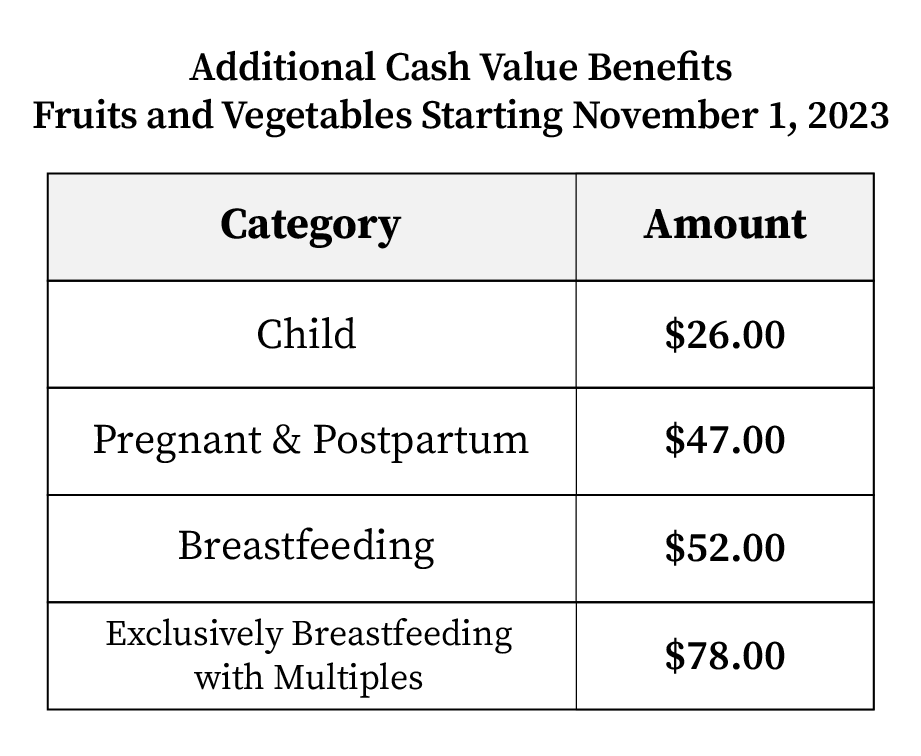
All federally required infant food package changes took effect October 1, 2024.
For Healthcare Providers
Refer a Patient to WIC or Request Therapeutic Formula
If you would like to refer a patient to the WIC Program or request a therapeutic formula, please use the forms below:
- TN WIC Referral Form (PH-3151) (2023)
- Tennessee’s Nutrition-Related Qualifying Conditions (2019)
- Fillable Request for WIC-Eligible Therapeutics (PH-4077) (2024)
- Tennessee WIC Program Formulary (2024)
The WIC supplemental foods provided to participants follow the Dietary Guidelines for Americans and the American Academy of Pediatrics’ guidance on infant feeding.
For Vendors
Announcements
Overview
The Tennessee WIC Program has over 800 participating grocers and pharmacies authorized to accept WIC Food Instruments (FIs) or TNWIC electronic benefits (EBT) across all 14 regions of the state.
Authorized grocers may also accept Cash Value Vouchers (CVVs) or Cash Value Benefits (CVBs) for fruits and vegetables.
Note: Pharmacies are only authorized to accept TNWIC EBT cards for specialized infant formulas and WIC-eligible nutritionals.
How to Become a WIC Vendor
Requirements for WIC Grocers
To participate in the Tennessee WIC Program, grocers must:
- Be authorized to accept Supplemental Nutrition Assistance Program (SNAP) benefits.
- Carry a “market basket” of staple foods.
- Ensure that annual sales of WIC foods do not exceed 50% of the store’s total food sales.
- Stock the minimum amount of WIC-approved foods.
- Keep prices comparable with other vendors of a similar type in the region.
- Participate in training before authorization and at least once every 12 months to follow WIC policies and procedures.
Application Process for Grocers
Grocers must submit the following to their Regional Office:
- A completed 2024–2026 General Application (2024) (Find your Regional Office Contact in the table below).
- A copy of SNAP authorization. (Scanned or faxed copies are acceptable but must be followed by mailing the original.)
- A completed Grocer Price Report (GPR) (2024) for regularly stocked WIC foods.
- A Therapeutic Formula and WIC-Eligible Nutritionals Price Report (TPR) (2024) if applicable.
Requirements for Pharmacies
Pharmacies participating in the WIC Program must:
- Submit a completed 2024–2026 Pharmacy Application (2024) to their Regional Office.
- Provide a copy of SNAP authorization (if authorized for SNAP). Authorization cannot be completed until SNAP information is available.
- Submit a Therapeutic Formula and WIC-Eligible Nutritionals Price Report (TPR) (2024) if carrying these products.
| County # | County Name | Region | Vendor Coordinator/Representative | Email Address | Phone Number | Work Cell Number |
|---|
Vendor Monitoring
Vendors are monitored regularly by Regional Vendor Management staff and may be subject to undercover investigations to verify compliance.
The Department’s decision to renew vendor agreements is based on past performance, including:
- Maintaining the required stock of WIC-approved foods.
- Keeping prices within acceptable guidelines.
- Properly handling TNWIC EBT transactions.
- Following all WIC policies and procedures.
Additional Resources
Vendors should review the following for more information:
- Eligible WIC foods and required quantities
- WIC program policies and procedures
- Listing of local WIC offices
Other Important Information
Vendors are encouraged to review the following resources to ensure compliance with program policies, procedures, and requirements:
Policy and Procedures
- Vendor Handbook 2024–2026
- Vendor Agreement 2024–2026
- Pharmacy Agreement 2024–2026
- Approved List of Suppliers of Infant Formula 2024–2025
- Guide to WIC EBT for Tennessee Retailers
- Federal Laws and Regulations
- WIC State Regulations (2024)
WIC Food Packages Information
- Food Package Policy 2024–2026
- Minimum Stock Requirements 2024–2025
- Tennessee WIC Shopping Guide
- Tennessee WIC Guía de Compras
- Tennessee WIC دليل التسوق
Training Resources
Breastfeeding Support
Breastfeeding is one of the most effective ways a mother can protect her health and her baby’s health. Research shows that breast milk is the best nutrition for a baby’s first year and provides numerous health, nutritional, economic, and emotional benefits for both mother and child. For more information, contact your local health department, call 1‑800‑DIAL‑WIC (1‑800‑342‑5942), or visit breastfeeding.tn.gov.
Benefits for WIC Mothers
A key goal of the WIC Program is to improve nutrition and health, which is why WIC encourages mothers to breastfeed their infants. Breastfeeding is promoted as the optimal feeding choice for most infants, unless medically contraindicated.
WIC provides breastfeeding support in several ways:
- Counseling and educational materials for breastfeeding mothers
- Longer program participation for breastfeeding mothers compared to non-breastfeeding mothers
- Enhanced food packages for mothers who exclusively breastfeed
- Access to breast pumps to support breastfeeding initiation and continuation
Every health department and WIC clinic in Tennessee has a Designated Breastfeeding Expert (DBE). DBEs have advanced lactation training and provide personalized assistance with breastfeeding questions or challenges.
To find a Designated Breastfeeding Expert in your community, visit the For Mothers tab on the Breastfeeding in Tennessee page.
WIC Breastfeeding Peer Counselor Program
A WIC Breastfeeding Peer Counselor (BFPC) provides mother-to-mother (paraprofessional) breastfeeding support and basic breastfeeding education. The BFPC program is available to WIC mothers who are pregnant or breastfeeding. BFPCs address barriers to breastfeeding by offering breastfeeding education, support, and role modeling. Currently, Tennessee has 46 BFPCs in 32 counties.
Please call your local health department for questions regarding the Breastfeeding Peer Counselor Program for WIC-eligible participants.
Additional Breastfeeding Resources
External links and accessibility notice:
Some of the resources listed below link to external websites not managed by the Tennessee Department of Health (TDH). TDH is not responsible for the content, accessibility, or privacy practices of these external sites.
Office on Women’s Health – Breastfeeding: National resources on breastfeeding education and support.
La Leche League International: Find breastfeeding support groups and local La Leche League chapters.
CDC – Breastfeeding: Evidence-based resources and research on breastfeeding.
Nutrition Education
The goal of the Tennessee WIC Program is to highlight the connection between proper nutrition and good health. This is especially important for pregnant, postpartum, and breastfeeding women, as well as infants and children under five years of age. The following resources below provide additional guidance and support to help meet these nutritional needs.
External links and accessibility notice:
The resources listed below link to external websites not managed by the Tennessee Department of Health (TDH). TDH is not responsible for the content, accessibility, or privacy practices of these external sites.
USDA Choose My Plate - Resources
The United States Department of Agriculture (USDA) developed Choose My Plate to help individuals find and maintain a healthy eating style throughout their lifetime.
USDA also launched My Plate, My Wins, which provides practical strategies for families to achieve a healthy eating style. For more information, view the videos below:
Nutrition Resources for Women, Infants, and Children
Explore additional information and educational materials specific to women, infants, and children by using the resources below.
English
- ABC’s of Spoon Feeding
- Feeding Your Baby: Birth to 4 Months
- Feeding Your Baby: 4 Months to 1 Year
- The ABC's of Teaching Your Baby to Use a Cup
- Feeding Patterns and Diet - Babies and Infants
- What, When and How to Introduce Solids
- Infant and Toddler Nutrition
- Choking Hazards
- Foods and Drinks to Encourage
- Foods and Drinks to Avoid or Limit
- Tastes and Textures
- Cow's Milk and Milk Alternatives
- Picky Eaters and What to Do
Español
Additional Links
Center for Food Safety and Applied Nutrition – FDA information on food safety and labeling
Center for Nutrition Policy and Promotion – USDA resources for dietary guidelines and nutrition programs
Office on Women's Health – Healthy Eating guidance for women
Office on Women's Health – Maintaining a Healthy Weight
CDC – Breastfeeding resources and guidance
US Department of Health & Human Services – Food Safety information
National Nutrition Month 2025
National Nutrition Month® is an annual nutrition education and information campaign created by the Academy of Nutrition and Dietetics. The campaign, celebrated each year during March, focuses on the importance of making informed food choices and developing sound eating and physical activity habits. In addition, National Nutrition Month® promotes the Academy and its members to the public and the media as the most valuable and credible source of timely, scientifically based food and nutrition information.
National Nutrition Month 2025 Weekly Key Messaging
Week One: Connect with Food
- Learn cooking, food preparation, and meal planning skills.
- Explore where your food comes from.
- Learn about community resources such as SNAP, WIC, and local food banks.
Week Two: Connect with a Nutrition Expert
- Ask your doctor for a referral to an RDN.
- Find an RDN who specializes in your unique needs.
- Receive personalized nutrition information to meet your health goals.
Week Three: Explore the Connection Between Food and Culture
- Experiment with recipes using different ingredients or cooking techniques.
- Include your favorite cultural foods and traditions or try new global flavors.
- Enjoy your meals with family or friends, when possible.
Week Four: Build the Connection Across All Stages of Life
- Learn how nutrient needs may change with age.
- Include healthful foods from all food groups.
- Focus on balanced and sustainable eating habits.
Expand the sections below to explore resources, activities, and handouts designed to support you and your family during National Nutrition Month.
Registered Dietitian Nutrionist Day
Registered Dietitian Nutritionist (RDN) Day is celebrated each year on the second Wednesday in March. In 2025, it falls on Wednesday, March 12. First observed in 2008, this day recognizes the dedication of RDNs and nutrition and dietetic technicians, registered (NDTRs), for their commitment to improving the health and nutrition of individuals and communities.
Created by the Academy of Nutrition and Dietetics, RDN Day raises awareness of dietitians as essential providers of food and nutrition services and honors their role in helping people lead healthier lives. Celebrated during National Nutrition Month, RDN Day highlights the expertise of nutrition professionals and their vital contributions to advancing health through food and nutrition.
Key Messaging for RDN Day
- Registered Dietitian Nutritionists (RDNs) are food and nutrition experts who translate the science of nutrition into practical solutions for healthy living.
- RDNs hold degrees in nutrition, dietetics, public health, or related fields from accredited universities. They complete internships, pass national examinations, and maintain continuing education.
- RDNs use their expertise to help individuals make personalized, positive lifestyle changes.
- RDNs serve communities in many settings, including hospitals, schools, public health clinics, nursing homes, fitness centers, food service, industry, universities, research, private practice, and more.
- RDNs are advocates for improving the nutrition and health of people in the United States and around the world.
- 20 Health Tips
- Food Connects Us
- Plant-Based Eating Tip Sheet
- Eating Right on a Budget
- Healthy Eating on the Run - A Month of Tips
- Smart Tips for Successful Meals
- Smart Snacking Tips for Adults and Teens
- Smart Snacking Tips for Kids
- Word Search - National Nutrition Month 2025
- Fact or Fiction Handout - National Nutrition Month 2025
Español
- 20 Health Tips
- Food Connects Us
- Plant-Based Eating Tip Sheet
- Eating Right on a Budget
- Healthy Eating on the Run - A Month of Tips
- Smart Tips for Successful Meals
- Smart Snacking Tips for Adults and Teens
- Smart Snacking Tips for Kids
- Word Search - National Nutrition Month 2025
- Fact or Fiction Handout - National Nutrition Month 2025
About Farmers Market Nutrition Programs
The Farmers’ Market Nutrition Program (FMNP) is part of Tennessee’s WIC program and was established by Congress in 1992 to provide fresh, locally grown fruits, vegetables, and herbs to WIC participants, while supporting farmers’ markets. Tennessee participates in both the WIC FMNP (WFMNP) and the Senior Farmers’ Market Nutrition Program (SFMNP).
The Tennessee Department of Health operates the FMNP with grants from the U.S. Department of Agriculture (USDA). The program runs during July and August, serving about 25,000 eligible participants each year. Families and seniors in selected counties who meet income guidelines receive locally grown produce along with nutrition education, highlighting the benefits of fruits and vegetables for preventing chronic diseases like heart disease, diabetes, cancer, and stroke.
The program exclusively offers Tennessee-grown produce, supporting local farmers and their communities through sales at farmers’ markets and permanent farm stands.
How Does the Program Work?
WIC participants and senior citizens in selected counties are issued $5 FMNP vouchers in July and August to purchase Tennessee-grown produce from authorized farmers. Participants are also given the names and selling locations of the authorized farmers. The authorized farmer has a poster displayed at his/her selling location, exchanging Tennessee-grown produce for the voucher.
The authorized farmer will scan the QR code on the front of the voucher using a smart device or laptop. For farmers who will use a desktop computer, vouchers can also be manually entered. Once vouchers are entered into the Vendor Portal, payment will be received within 48 hours.
How to Participate in the Program?
To participate in the WIC FMNP or SFMNP, you must be authorized by the Tennessee Department of Health. An authorized farmer is an individual who farms in Tennessee and who has a signed agreement with the FMNP to sell eligible foods at farmers’ markets and/or permanent farm stands. Individuals who exclusively sell produce grown by someone else, such as wholesale distributors, cannot be authorized to participate in the FMNP.
Eligible foods are those fruits, vegetables, and herbs listed on the Approved Food List and must be grown in Tennessee. The authorized farmer must have personally grown over half of the eligible foods he or she has for sale.
How to Apply to Be an Authorized Farmer?
Individuals must apply annually and receive farmer authorization to participate in the FMNP/SFMNP. The program does not limit the number of authorized farmers. Authorized farmers may accept program vouchers at any market in the state, subject to local market approval.
To participate, complete the Farmer Application (PH-4171) and submit it to your regional contact. The vendor representative will contact you with information on training procedures.
For more information, you can:
- Download the Farmers’ Handbook (2024) – Guide for participating farmers.
- Review the Farmers Agreement (PH-4173) – Terms and conditions for program participation.
- Complete the Training Acknowledgement Form (2024) – Confirms training completion.
Regional Contacts
The following is a list of regional contacts for assistance with the WIC Farmers Market Nutrition Program (WFMNP) and the Senior Farmers Market Nutrition Program (SFMNP).
Coffee, Hickman, Lincoln, Maury, and Moore Counties
Carla Jacobs
South Central Regional Health Office
1216 Trotwood Avenue
Columbia, TN 38401
Phone: (931) 490-8350 or (931) 490-8370
Fax: (931) 388-3364
Knox County
Lori Emond
Knox County Health Department
140 Dameron Ave.
Knoxville, TN 37917
Phone: (865) 215-5050 or (865) 215-5055
Fax: (865) 215-5066
Madison County
Chris Ellis
The WIC Center
589 East College Street
Jackson, TN 38301
Phone: (731) 927-8569
Fax: (731) 927-8602
Rutherford County
April Hall
Mid-Cumberland Regional Health Office
710 Hart Lane
Nashville, TN 37243
Phone: (615) 650-7050
Fax: (615) 262-6139
Sullivan County
Lou Taylor
Sullivan County Health Department
154 Blountville Bypass
P.O. Box 630
Blountville, TN 37617
Phone: (423) 279-277
Davidson County
Kelly Soliman
TN WIC Central Office
710 James Robertson Parkway, 7th Floor
Nashville, TN 37219
Phone: (615) 532-8173
Dyer County
Erica Bond
West Tennessee Regional Office
295 Summar Avenue
Jackson, TN 38301
Phone: (731) 421-6770
Fax: (731) 421-5148
Hamblen County - Morristown
Lisa Pitner
East Tennessee Regional Office
2101 Medical Center Way
P.O. Box 59019
Knoxville, TN 37950
Phone: (865) 549-5270
Fax: (865) 594-6291
Shelby County
Michelle Vaulx
Memphis / Shelby County Health Department
814 Jefferson Ave
Memphis, TN 38105
Phone: (901) 222-9750
Fax: (901) 222-9772
Map South
759 S. Danny Thomas Boulevard
Memphis, TN 38126
Phone: (901) 774-0940
Warren County - McMinnville
Melanie Nabors
Upper Cumberland Regional Health Office
1100 England Drive
Cookeville, TN 38501
Phone: (931) 520-4218
Fax: (931) 372-2756
Agricultural Extension Offices
For more information, visit the Tennessee County Agricultural Extension Offices to find contact information and resources for each county.
Senior Farmers Market Nutrition Program (SFMNP)
Senior citizens (60 years of age and older) in Davidson, Dyer, and Shelby counties who receive Commodity Supplemental Food Program (CSFP) foods also get SFMNP checks. Hamblen and Warren county seniors are also eligible to receive SFMNP checks.
The SFMNP uses the same guidelines as CSFP. Seniors must be county residents and 60 years of age or older. Their income must be at or below 130% of the federal income poverty guidelines. The SFMNP gives eight $5 checks to about 14,000 seniors each year.
WIC Farmers Market Nutrition Program (WIC FMNP)
WIC FMNP gives checks to exchange for fruits, vegetables and herbs to women and children (1 through 4 years old) who receive WIC services. FMNP checks are for $5, and WIC participants get a total of $30 per year. WIC mothers use the FMNP checks at designated farmers markets and roadside stands. Every year, WIC mothers discover the benefits of buying locally grown produce.
The WIC FMNP serves families in Coffee, Hickman, Knox, Lincoln, Madison, Maury, Moore, Rutherford and Sullivan counties.
Learn More
Farmers’ Market Nutrition Programs
Get fresh, locally grown fruits and vegetables through the Farmers’ Market Nutrition Program (FMNP). Eligible WIC participants can use benefits at authorized farmers’ markets across Tennessee.
WIC Recipes
Looking for healthy, budget-friendly meal ideas? These recipes use WIC-approved foods and are easy to make at home. Each one is designed to be simple, nutritious, and family-friendly. You’ll find quick meals, snacks, and desserts that everyone can enjoy.
This Page Last Updated: March 26, 2026 at 3:45 PM