Information about the Tennessee Department of Health
TDH's mission is to protect, promote, and improve the health and well-being of all people in Tennessee.Our Mission, Vision, & Values
Vision
Healthy People
Healthy Communities
Healthy Tennessee
Mission
Protect, promote, and improve the health and well-being of all people in Tennessee.
Values
Trust
Compassion
Service
Excellence
Introduction
Every person who lives in or visits Tennessee benefits from current – and past – efforts of many dedicated public health professionals. Throughout the Tennessee Department of Health enterprise, there’s a deliberate focus on selfless service to others. You see it when you visit a county health department where residents come for a variety of important services. You may unknowingly experience it when you eat in a restaurant we inspect. And you may someday be helped during a public health threat when our emergency response efforts are needed. The approximately 3,000 men and women of the Tennessee Department of Health take great pride in ou tradition of service to others benefitting residents and visitors alike.
Special Operational Areas
List of Programs
State Health Commissioner

John R. Dunn
Tennessee Health Commissioner
Tennessee Department of Health
John R. Dunn was named as Interim Health Commissioner in July 2025. He previously served as the State Epidemiologist and holds academic appointments at Vanderbilt University School of Medicine and University of Tennessee College of Veterinary Medicine.
He joined the Tennessee Department of Health in 2005 as a U.S. Public Health Service Officer following completion of the Epidemic Intelligence Service fellowship. He previously served as deputy state epidemiologist, state public health veterinarian, and is an internationally recognized expert in foodborne and zoonotic diseases.
A Nashville native, Dunn earned his undergraduate degree, Doctor of Veterinary Medicine, and Ph.D. in veterinary medical sciences at Louisiana State University. He also holds an MBA for strategic leadership from the Haslam School of Business at the University of Tennessee.
Past State Health Commissioners
2023 to 2025

Ralph Alvarado. MD, FACP
2007 to 2011

Susan R. Cooper, MSN, RN
1997 to 1999

Nancy Menke
1984 to 1988

James E. Word, BS, MPH
1935 to 1943
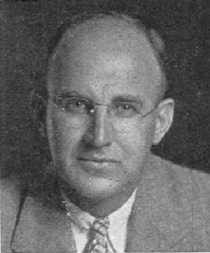
Wilson Carter Williams, MD, CPH, MPH


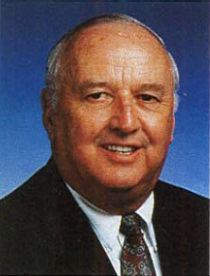

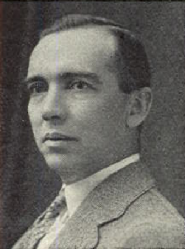
2011 to 2018

John J. Dreyzehner, MD, MPH, FACOEM
1995 to 1997; 1999 to 2003

Fredia S. Wadley, MD, MSHPA
1988 to 1991

J. W. Luna, JD
1943 to 1969
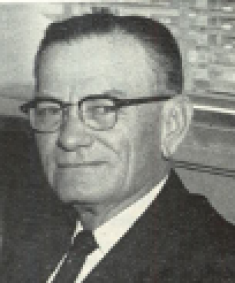
Robert H. Hutchinson, MD, MPH
1923 to 1924
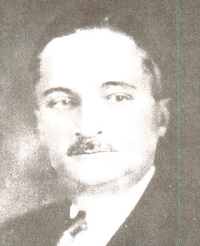
Charles B. Crittenden, M.D.
Public Health Focus and Engagement
The Tennessee Department of Health's highly talented and dedicated professionals reflect a standard of performance in its effective and engaging public health efforts and collaborative commitment to providing compassionate service to people in all 95 counties of the state. TDH provides health care and wellness services daily to Tennesseans through a statewide network of 89 rural and six metropolitan county health departments at 117 physical locations.
TDH works to prevent the spread of communicable illnesses through an effective detection and response effort and immunization program; inspects and regulates thousands of restaurants and health care facilities; licenses more than a quarter-million health professionals practicing in the state; registers and maintains birth, death, and other vital records; conducts specialized laboratory testing; provides nutritional support and education to tens of thousands of mothers and children; and is a responding organization to public health emergencies and natural disasters.
TDH focuses on preventing communicable diseases and encouraging behaviors to address the biggest drivers of death and chronic disease in Tennessee, including physical inactivity, excessive caloric intake, tobacco and nicotine use, and other substance use disorders. Through its delivery of primary care and prevention services, TDH provides medical care to hundreds of thousands of uninsured or underinsured adults at a network of TDH and Primary Care Safety Net clinics; performs thousands of newborn health screenings; and increases statewide efforts toward better health and health outcomes by promoting physical activity, better food and nutrition choices, a life without tobacco, nicotine, and other addictions, and improved mental health. TDH works with other departments and branches of state government as well as businesses, organizations, and individuals to support Tennesseans in making commitments to their own health.
TDH also supports the well-being of the state’s adults aged 60 and older through the Office of Healthy Aging, created in 2024. The Office of Healthy Aging supports older Tennesseans by establishing partnerships and public health practices that create age-friendly public health systems and expand the infrastructure supporting dementia care and services statewide.
Department Divisions & Services
Community Health Services (CHS)
The CHS structure includes a network of 99 health department clinic sites throughout Tennessee’s 89 rural counties. Each Health Department provides basic public health services including immunizations; Women, Infants, and Children (WIC); family planning; communicable disease surveillance and control; health education and promotion; smoking cessation; breast and cervical cancer screening; care coordination services; as well as birth and death certificate issuance. In addition, many clinics also provide primary care and clinical dental services. CHS also offers a robust school-based dental sealant program. The department’s network of clinics is organized into seven public health regions that also manage emergency preparedness and response efforts.
Communicable and Environmental Disease and Emergency Preparedness
This division conducts infectious disease surveillance, outbreak investigations, and prepares for and responds to public health emergencies. Environmental hazards are assessed to reduce health risks. Data obtained through these efforts guides public health recommendations and regulatory actions to protect the public. To promote immunizations, the division provides vaccines, tracks coverage rates statewide, and maintains immunization records to serve the needs of Tennesseans. Vaccines for underserved children are provided through the Vaccines for Children program. Select vaccines are also available to adults at local health departments. The division also supports TB, HIV, STI, and hepatitis testing and treatment programs statewide. Environmental health staff members annually inspect approximately 40,000 facilities in Tennessee including food service establishments, hotels and motels, public swimming pools, campgrounds, and tattoo establishments. Team members conduct environmental surveys in schools and childcare facilities and work with rabies control to protect public health. The division is a national leader and participates in identifying and responding to emerging disease threats.
Laboratory Services
The State Public Health Laboratories (SPHL) in Nashville (central lab) and Knoxville (regional lab) provide clinical and environmental testing and support services to TDH program areas, local health departments, hospitals, independent laboratories, and other state agencies. Tennessee’s public health laboratories are part of the national Laboratory Response Network, a component of homeland security that performs testing of select agents and specimens related to terrorism. In general, they serve as a laboratory resource and providing diagnostic, surveillance, and emergency response testing services that are specialized or unavailable elsewhere. The Newborn Screening section of the laboratory screens all babies born in Tennessee for more than 70 genetic and metabolic disorders providing early diagnosis and treatment are vital to a child’s potential quality of life and mortality. The SPHL also tests drinking water and water bodies throughout Tennessee for chemical, radiological, and microbiological contaminants that could impact humans or wildlife. In addition, the SPHL functions as a regional laboratory for the Southeast, conducting screenings and antimicrobial resistance testing for emerging pathogens, serving as an outbreak support center, and performing other specialized testing for the region.
Licensure and Regulation of Health Care Professionals
TDH ensures quality in Tennessee’s health care workforce by helping administer and enforce state laws and standards for health care professionals. More than 370,000 Tennessee doctors, nurses, dentists, pharmacists, and other health care professionals are licensed by regulatory boards. This division also monitors ambulance services and emergency medical personnel across the state to ensure quality and safety standards are met and medical laboratories and personnel are tested and licensed. Complaints against all health care professionals are investigated and disciplinary action taken by the Office of General Counsel if the results of the investigation reveals that state laws and/or standards were violated.
Family Health and Wellness. Family Health and Wellness
TDH provides a variety of programs and services to address the health needs of children and families with a focus on improving maternal health and birth outcomes, providing support to young children and their families through care coordination and evidence-based home visiting programs, lowering the adolescent pregnancy rate, reducing the burden of chronic disease, and helping Tennesseans optimize their health in the communities where they live and work. TDH services for families include routine screening of all newborns—approximately 80,000 annually—to quickly identify potentially life-threatening conditions or hearing loss; coordinating care for children with special health care needs; screening and follow-up for children with potential lead poisoning; breast and cervical cancer screening and prevention; preconception care; family planning; suicide prevention; supporting pediatric and maternal providers in delivering quality mental health services in a primary care setting; and other efforts. TDH promotes healthy behaviors through wellness initiatives including tobacco prevention and cessation, injury prevention, disease management, and comprehensive health education within local communities. TDH implements programs focused on reducing maternal deaths due to violence, substance use disorder, or pregnancy-related causes, as well as understanding the causes and preventability of infant and child deaths. Infant health is promoted through the distribution of safe-sleep messaging and materials, car seats, and breastfeeding support. Local health departments administer programs that provide supplemental foods to low-income, pregnant, breastfeeding, and postpartum women, as well as infants and children. In some counties, supplemental foods are also provided to senior citizens. TDH also provides nutrition education to help people learn how to use these foods as part of a good daily diet.
Health Disparities Elimination
The Division of Health Disparities Elimination functions to expand the department’s capacity to outreach, engage, and support minority, rural, and vulnerable populations across the state, as well as work to improve the availability and accessibility of health services within communities. Health Disparities Elimination maintains statewide partnerships—which include academic institutions, the nonprofit community and faith-based organizations, and local and state government officials—to help inform health priorities and create responsive solutions to address social drivers of health, reduce health disparities, and improve health outcomes for our most vulnerable Tennesseans. Health Disparities Elimination provides funding support to community-based and faith-based organizations to implement community-led health initiatives and projects that address the social drivers of health.
Population Health Assessment
This division houses federal and state surveillance systems that collect data on disease incidence/prevalence (e.g. cancer, cardiovascular disease, diabetes, injuries), occupational health, maternal and child health, hospital visits, and behavioral health indicators across the state. Data are analyzed to form policies, guide public health programs, and shape the health care delivery system to effectively address needs and protect population health.
Vital Records and Statistics
The Division of Vital Records and Statistics maintains a central registry of births, deaths, fetal deaths (i.e. stillbirths), marriages, and divorces in the state. Annually, the division registers approximately 89,000 births and 205,000 other vital events. Certified copies of these records are available at the Vital Records Office in Nashville, at selected county sites, and through the Vital Records website. The division annually publishes statistics on these vital events, such as the birth rate, leading causes of death, and number of marriages and divorces, to chart state trends and support public health activities and research.
Boards, Committees, and Councils of the Department
Related Advisory Boards, Committees, and Councils
The following committees may be contacted through the TDH Commissioner’s Office, 710 James Robertson Parkway, 5th Floor, Andrew Johnson Tower, Nashville, TN 37243.
• Advisory Committee for Children’s Special Services
• Genetics Advisory Committee
• Perinatal Advisory Committee
• Tennessee Child Fatality Prevention Team
• Tennessee Medical Examiners Advisory Council
• Traumatic Brain Injury Advisory Council
Regulatory Boards
The following boards set qualifications for professionals who provide health care in Tennessee, license or certify qualified applicants, and take disciplinary action when standards are violated. These boards may be contacted at Health Related Boards, 665 Mainstream Drive, Nashville, TN 37243.
• Advisory Committee for Acupuncture
• Applied Behavioral Analyst Licensing Committee
• Board of Alcohol and Drug Abuse Counselors
• Board of Athletic Trainers
• Board of Chiropractic Examiners
• Board of Communication Disorders and Sciences
• Board of Dentistry
• Board of Dietitian and Nutritionist Examiners
• Board of Dispensing Opticians
• Board of Emergency Medical Services
• Board of Examiners for Nursing Home Administrators
• Board of Examiners in Psychology
• Board of Massage Licensure
• Board of Medical Examiners
• Board of Nursing
• Board of Occupational Therapy
• Board of Optometry
• Board of Osteopathic Examination
• Board of Pharmacy
• Board of Physical Therapy
• Board of Physician Assistants
• Board of Podiatric Medical Examiners
• Board for Professional Counselors, Marital and Family Therapists, and Clinical Pastoral Therapists
• Board of Respiratory Care
• Board of Social Worker Licensure
• Board of Veterinary Medical Examiners
• Committee for Clinical Perfusionists
• Controlled Substance Monitoring Database Committee
• Council for Licensing Hearing Instrument Specialists
• Council of Certified Professional Midwifery
• Polysomnography Professional Standards Committee
A History of Public Health
The Tennessee Department of Public Health was established January 31, 1923, taking over activities of the Board of Health created in 1877 in response to devastating epidemics of yellow fever and cholera, and preceded by a series of state entities and efforts dating back as early as 1778. Activities and responsibilities have changed and grown through the years as health needs, public health challenges, and health care have evolved. In 1983, the department’s name was changed from the Department of Public Health to the Department of Health and Environment to more clearly reflect its functions. As a result of the state’s increased focus on environmental protection and conservation, the environmental programs were transferred in 1991 to the new Department of Environment and Conservation. The agency’s name was then changed to the Department of Health.
Historical Timeline of Public Health in Tennessee
Pre-1900
- Early practitioners laid the groundwork: first physicians arrived mid-1700s and local medical societies began forming in the 1800s.
- The state took its first formal public-health steps in the 1800s (marriage/birth record laws, county authority to fight smallpox).
- Tennessee created a State Board of Health in 1877 and strengthened its powers after the 1878–79 yellow fever epidemic; the board focused initially on epidemic control, vital records and school sanitation.
1900 to 1925
- Early 20th-century actions expanded public health infrastructure: pure food/drug laws (1907) and authorization for the State Board to collect vital statistics (1909).
- Public health nursing began in Tennessee (first public health nurse, Elizabeth Simmons, 1910) and local public-health services and sanitation measures were expanded.
1926 to 1960
- The state strengthened public-health programs and professionalism (expanded bureaus, disease control, maternal/child health, and sanitation programs).
- Public health became more organized with state programs addressing immunization, venereal disease control, school health, and community health nursing.
1961 to 1990
- Public health in Tennessee modernized and grew: expanded environmental health, chronic disease prevention, laboratory services, and emergency preparedness.
- The era saw increasing federal-state partnerships, new public-health legislation and organizational changes to respond to both infectious disease and emerging chronic-disease concerns.
1991 to Present
- Recent decades emphasize system modernization, data and surveillance, preparedness (including bioterrorism readiness), expanded prevention programs, and population-health strategies.
- TDH adopted greater use of data dashboards, partnerships (healthcare, schools, community organizations), and statewide public-health initiatives to address complex problems like chronic disease, maternal/child health and substance misuse.
This Page Last Updated: March 26, 2026 at 6:41 PM