Learn About Food Waste in Tennessee
How Much Food Waste Is There?
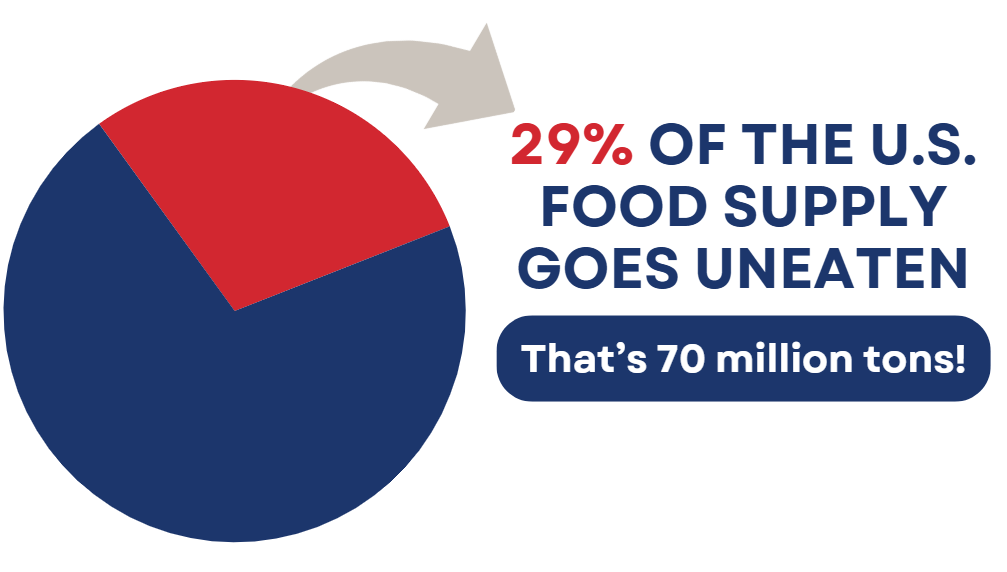
In 2024, 29% of the U.S. food supply—about 70 million tons—went unsold or uneaten.1 In Tennessee alone, that's approximately 1.25 million tons of food.2
“Surplus food” refers to food that remains unsold or uneaten, while “food waste” describes surplus food that ultimately ends up in a waste destination such as a landfill, incinerator, composting facility, or anaerobic digester.3
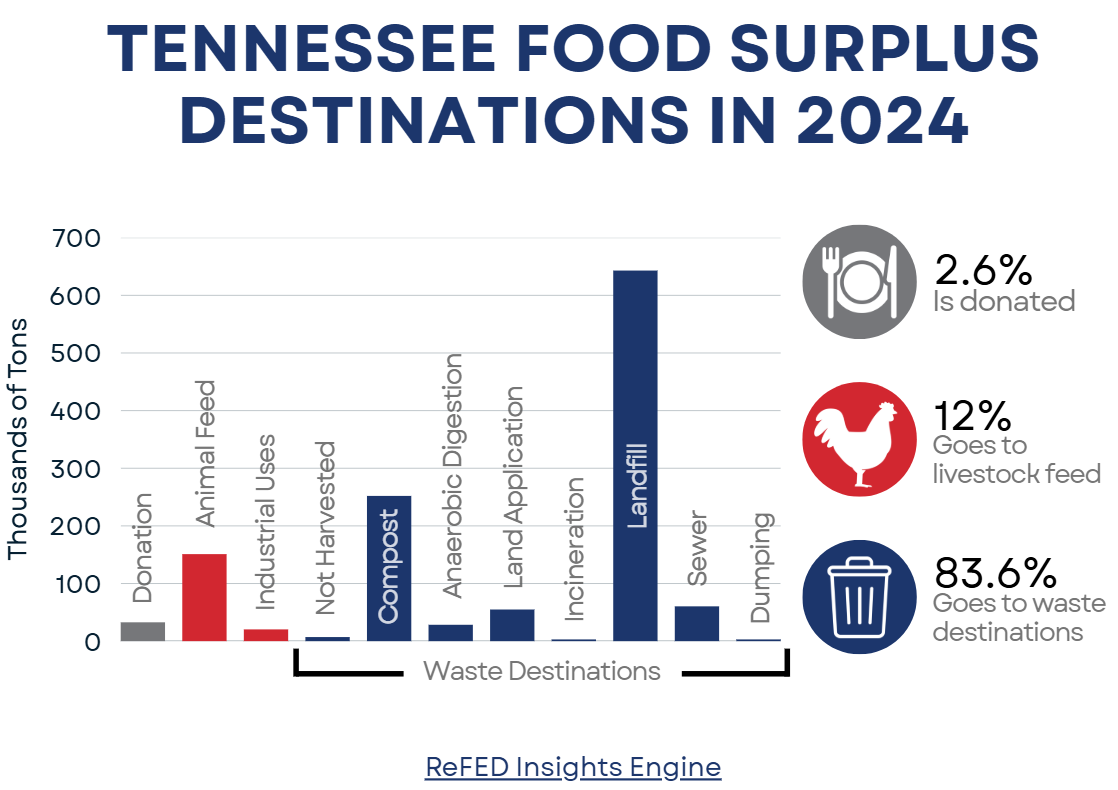
Of Tennessee’s surplus food, 85% ultimately became food waste.4 That means approximately 1.25 million tons of food were wasted in Tennessee in a single year, rather than being used to feed people or animals.4
Where Does Food Waste Come From?
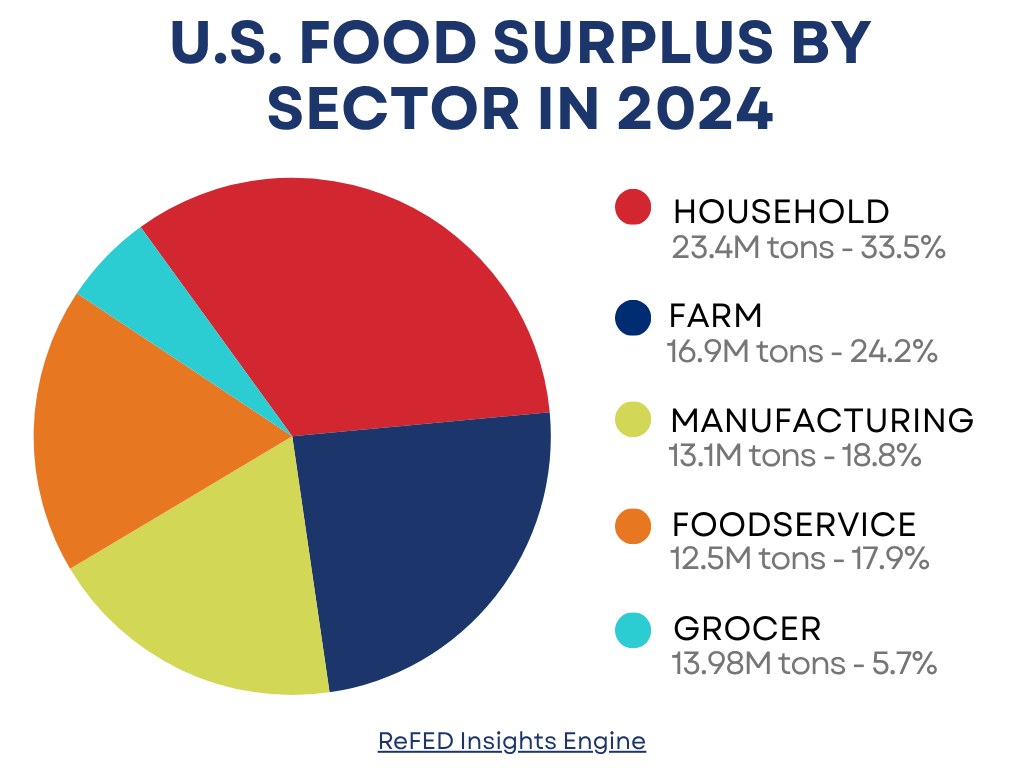
Food waste occurs throughout the food system—from farms and food manufacturers to restaurants, grocery stores, and our own kitchens.5
Households are the largest source of surplus food in the United States, followed by farms, food manufacturing, foodservice, and grocers.5 This means reducing food waste requires action across the entire food system, with opportunities for everyone to play a role.
How Can We Reduce Food Waste?
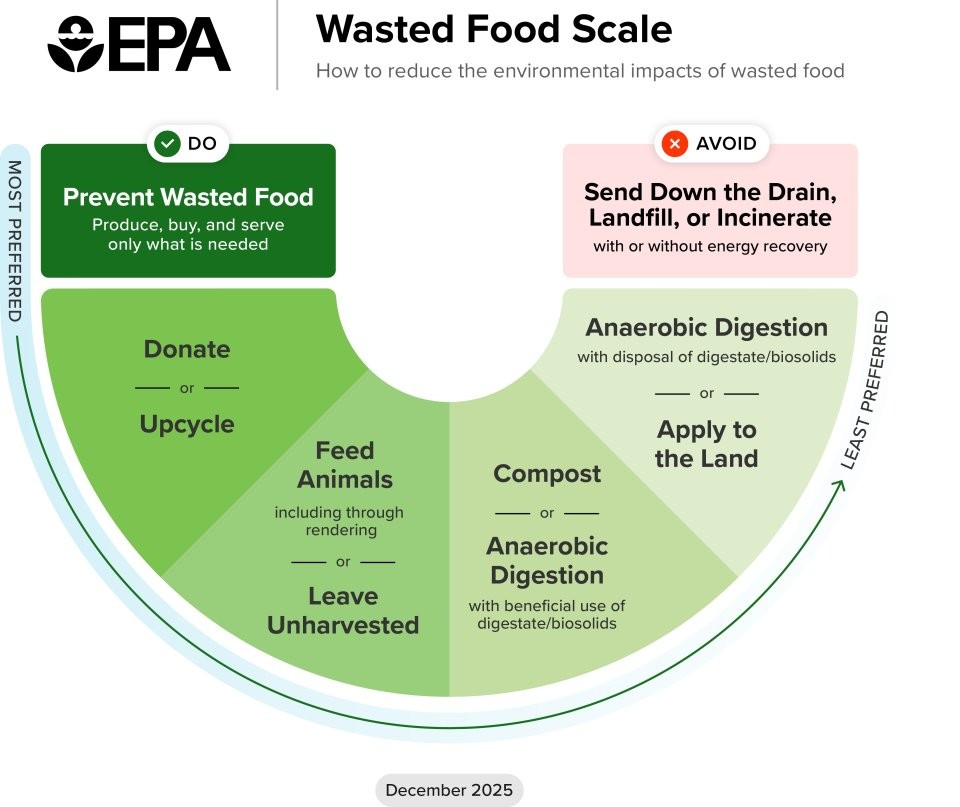
Not all ways of managing surplus food have the same impact. The EPA’s Wasted Food Scale prioritizes actions that prevent food waste and keep food in its highest and best use.6
The best option is to prevent surplus food from being created in the first place. Better planning, purchasing, preparation, storage, and inventory management can help ensure that food produced for people actually gets eaten.
When edible food does become surplus, the next priority is to recover it for people. Surplus food can be rescued and donated or upcycled into new food products.
When food cannot be prevented or recovered, it can still be diverted from less-preferred waste destinations through options such as animal feed, anaerobic digestion, and composting.
Why Does Food Waste Matter?
Growing, producing, transporting, storing, and preparing food requires significant amounts of water and energy. When food goes uneaten, the resources used to produce it are wasted too.
In 2024 in Tennessee alone, surplus food wasted approximately 353 billion gallons of water7 and 5.15 million metric tons of carbon dioxide eq.8
Preventing food waste helps conserve natural resources and reduces the environmental impacts associated with producing food that is never eaten.
Tennessee has limited landfill space, with landfills in Middle Tennessee nearing capacity. Building new landfills is costly, requires significant amounts of land, and creates long-term monitoring and maintenance costs even after they close.
Food is the largest category of waste in Tennessee’s landfills, accounting for almost 20% of waste by weight.9 Approximately 75% of the food waste was considered to be once edible—not just unavoidable scraps like bones, peels, and trimmings.9
Because food waste is heavy, transporting it to landfills also requires a significant amount of fuel, contributing to greenhouse gas emissions. In addition, when food is sent to landfills, it can't decompose properly and produces methane, a particularly powerful greenhouse gas. Disposal of Tennessee food waste in 2024 alone produced 23.6 thousand metric tons of methane.10
Preventing food waste can help extend landfill capacity, conserve land, reduce costs, and lower greenhouse gas emissions.
When food goes uneaten, the money spent growing, processing, transporting, selling, and purchasing it is lost too. In Tennessee, surplus food represents approximately $8.65 billion in economic value each year.11
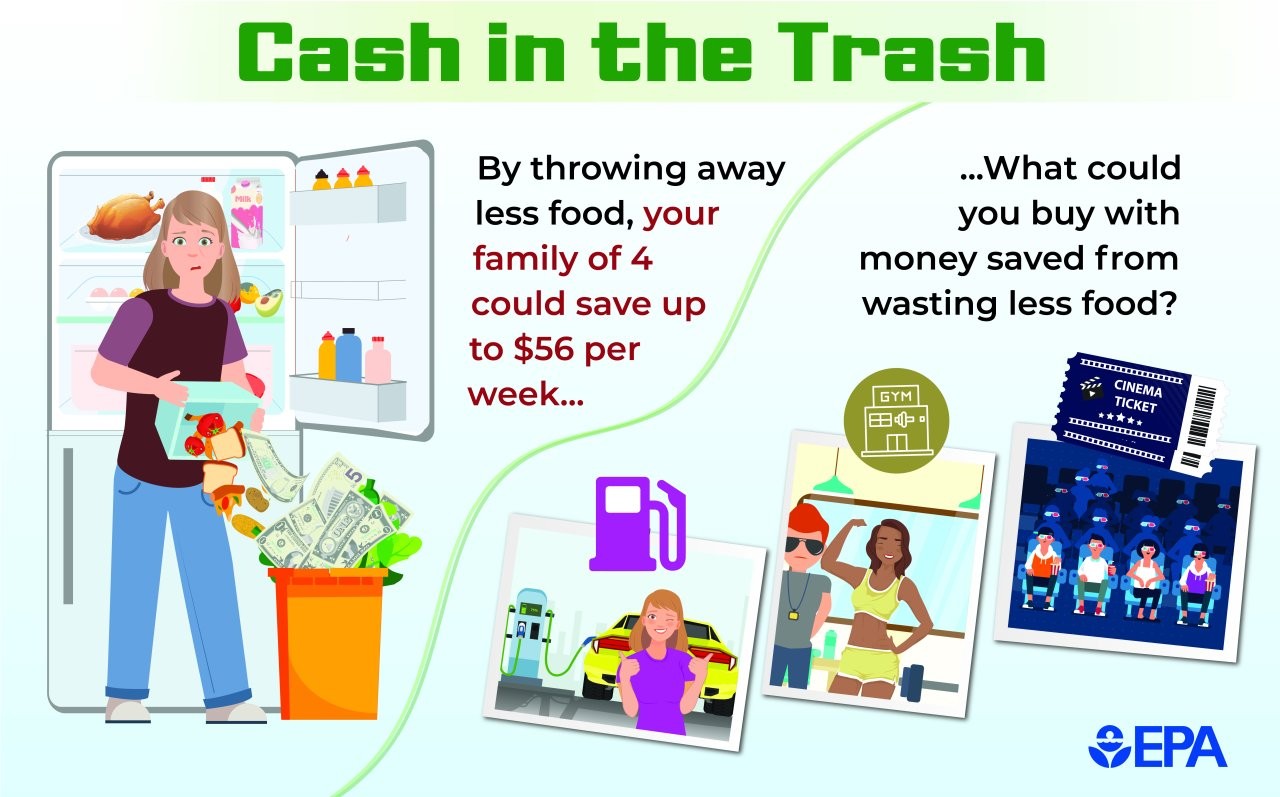
The impact is also felt directly by families. A family of four spends nearly $3,000 each year on food that ultimately goes uneaten.12 Preventing food waste at home can help families make better use of the food they purchase and keep more money in their budgets.
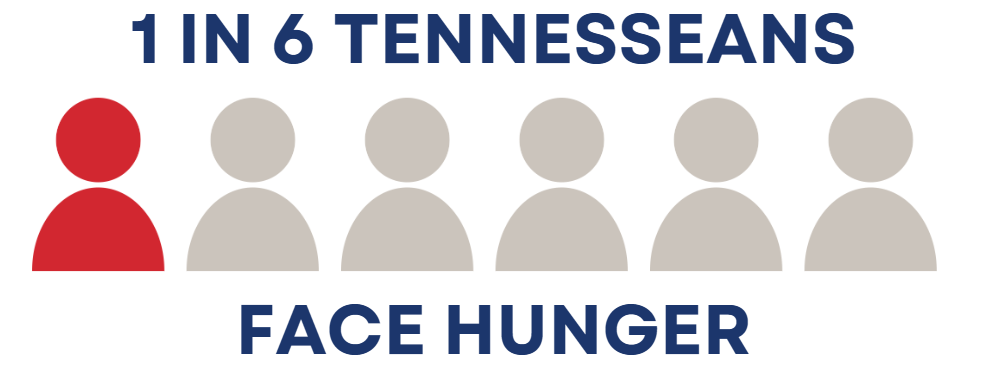
Every year, surplus food in Tennessee represents approximately 2.03 billion meals that go uneaten.13 This loss is especially significant when 1 in 6 Tennesseans face hunger, including 1 in 5 children.14
The types of food going uneaten matter, too. Approximately 80% of surplus food in Tennessee is perishable, with fruits and vegetables among the most commonly wasted foods.15 These foods provide essential nutrients and can also be among the foods that are more difficult for food-insecure households to consistently access.
Preventing surplus food and recovering safe, edible food helps Tennessee make better use of the food and nutrition already available in our communities.
Everyone Has a Role to Play
Food waste happens throughout our food system, which means everyone has an opportunity to be part of the solution. Whether at home, at work, at school, or in your community, there are practical steps you can take to help prevent, recover, and divert food waste.
Take Action
Select a category below to learn how you can play a part in reducing food waste.
Explore Resources
Select a category below to explore resources for reducing food waste.
Stay Connected
Stay connected with us on the following platforms.